 En
En  中文简体
中文简体 西班牙语
西班牙语

Article Directory
- 1 1. Release Force Consistency and Peel Stability
- 2 2. Substrate Surface Energy and Material Composition
- 3 3. Silicone Coating Integrity and Solvent Resistance
- 4 4. Caliper Uniformity for Precision Die-Cutting
- 5 5. Environmental Adaptation and Storage Longevity
- 6 Frequently Asked Questions (FAQ)
- 6.0.1 1. Does PET film provide better transparency than paper for labeling?
- 6.0.2 2. Can these release liners be used for medical applications?
- 6.0.3 3. What is the standard thickness for industrial PET release films?
- 6.0.4 4. How does silicone migration affect electronic components?
- 6.0.5 5. Is a release paper roll compatible with UV adhesives?
- 7 Industry References
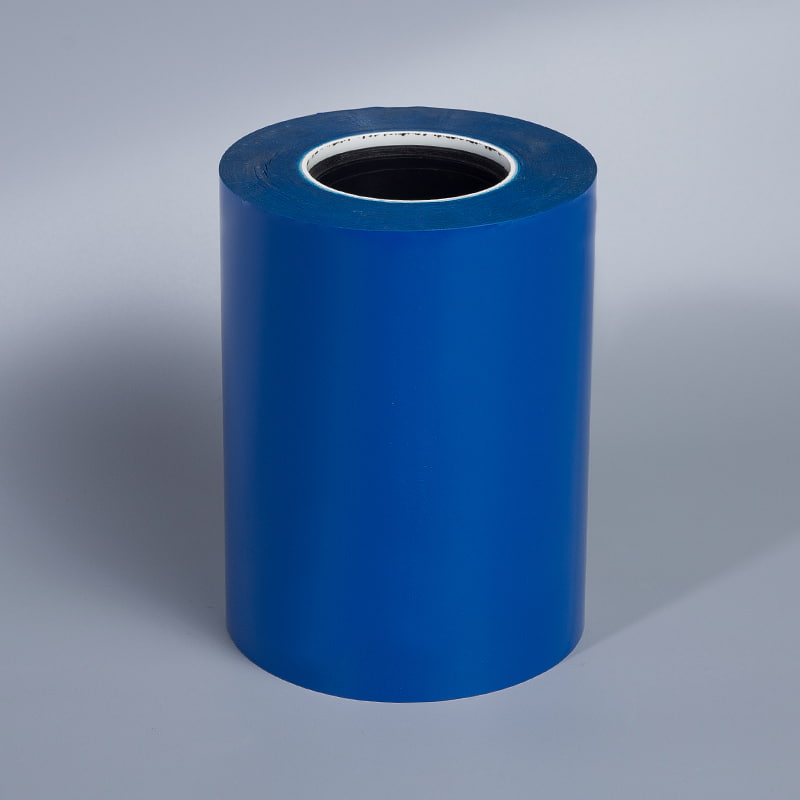
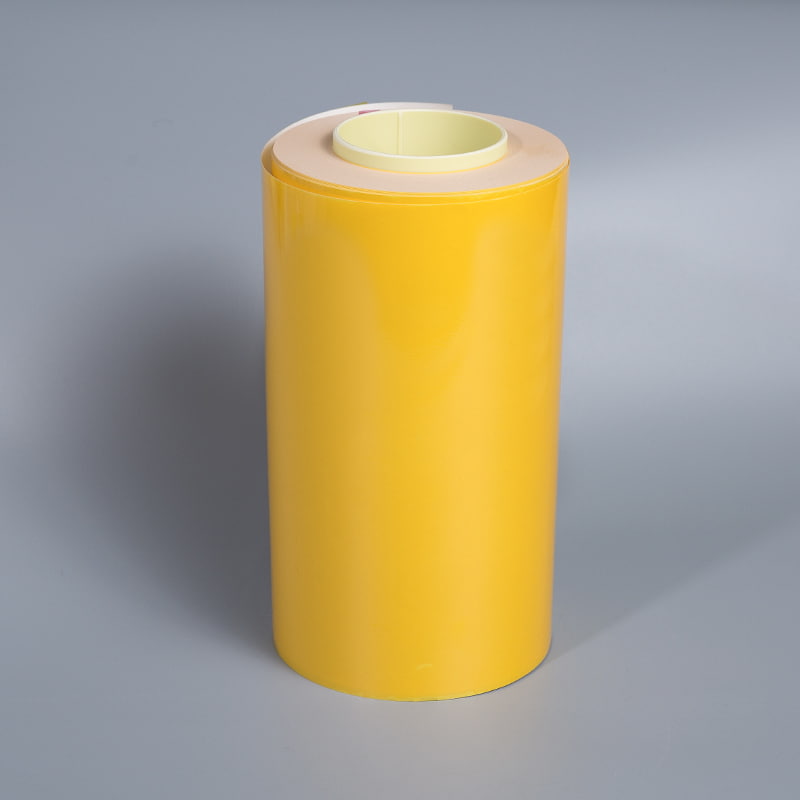
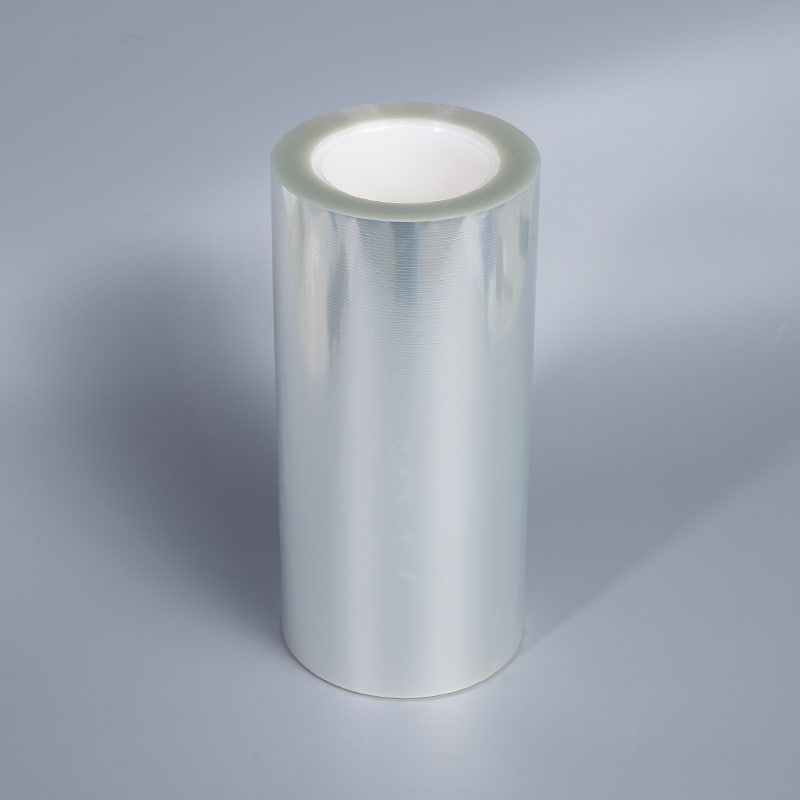
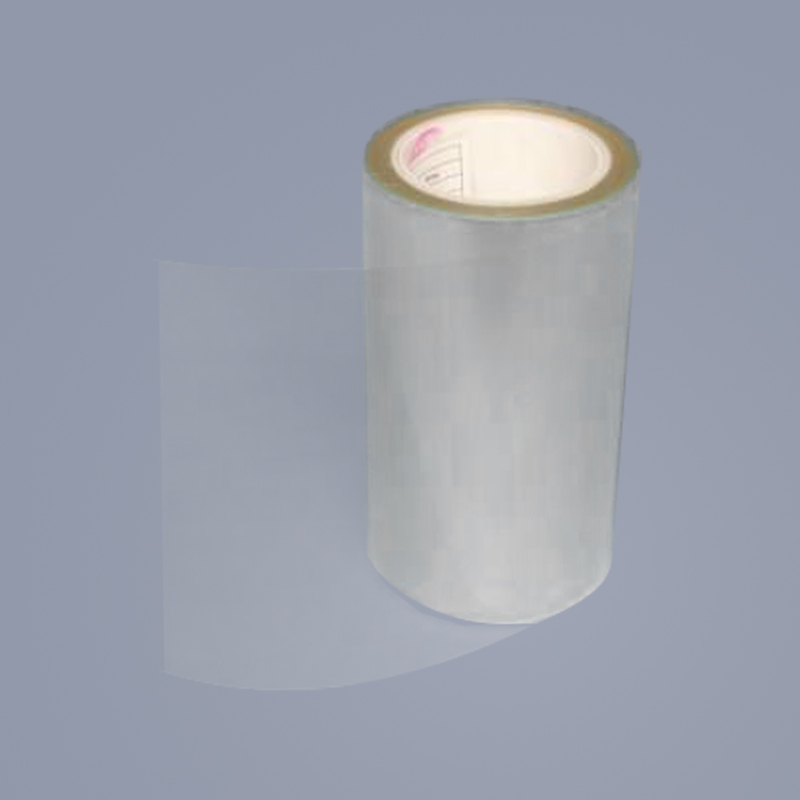
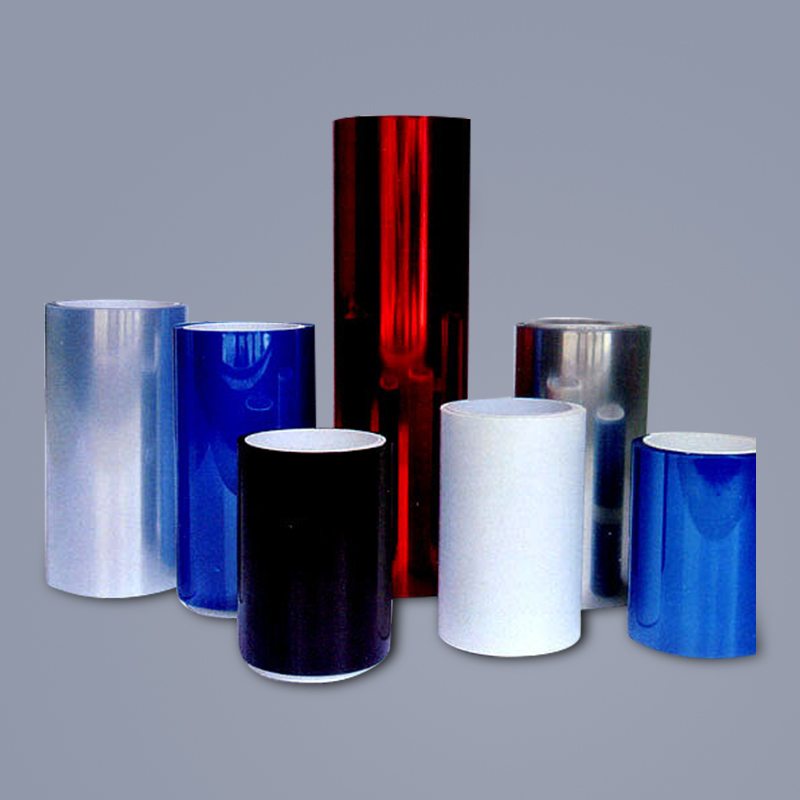
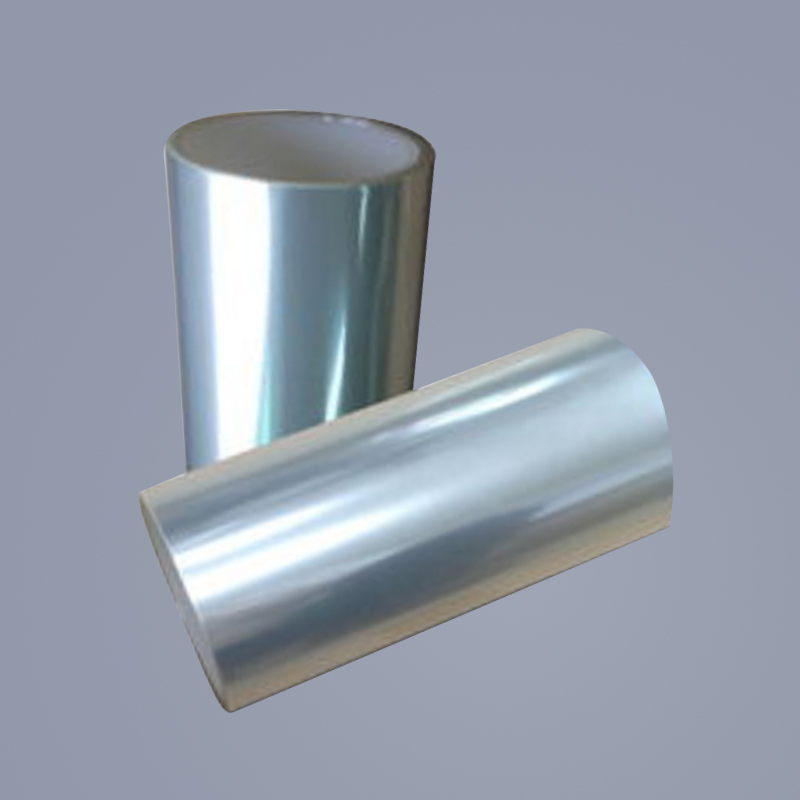
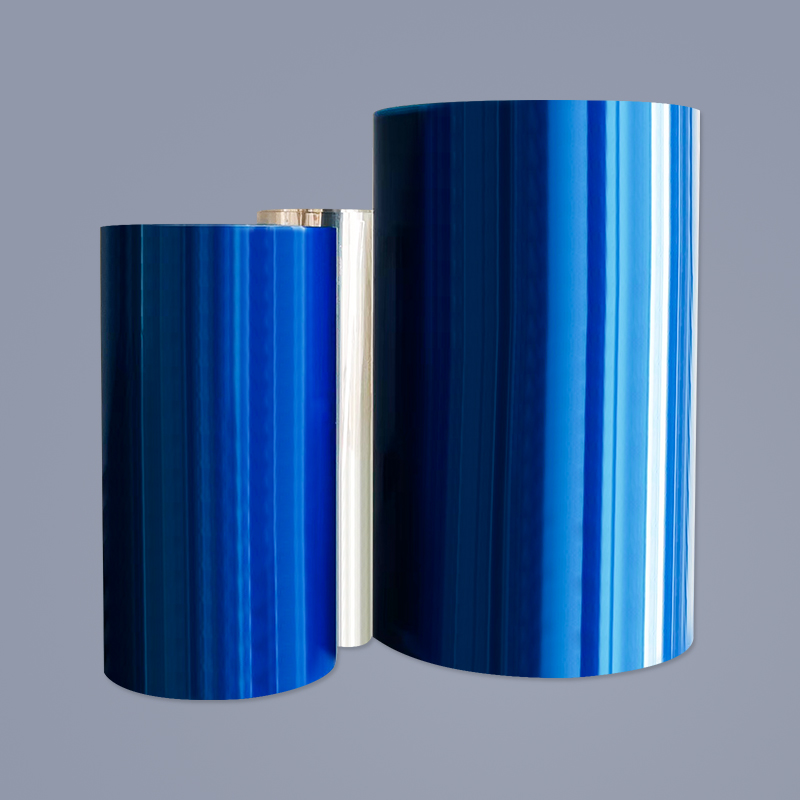
In the high-precision world of industrial labeling and die-cutting, the performance of a release paper roll is a fundamental determinant of production efficiency. A release liner is more than just a carrier; it is a technically engineered substrate that must balance structural integrity with precise chemical release properties. Anhui Hengbo New Material Co., Ltd., established in 2017 and an ISO9001 certified manufacturer, specializes in high-performance PET polyester films and PET release films. Our engineering approach focuses on customized solutions for diverse industries, including membrane switches, flexible circuits, and medical adhesives, ensuring that every release paper roll meets stringent global standards.
1. Release Force Consistency and Peel Stability
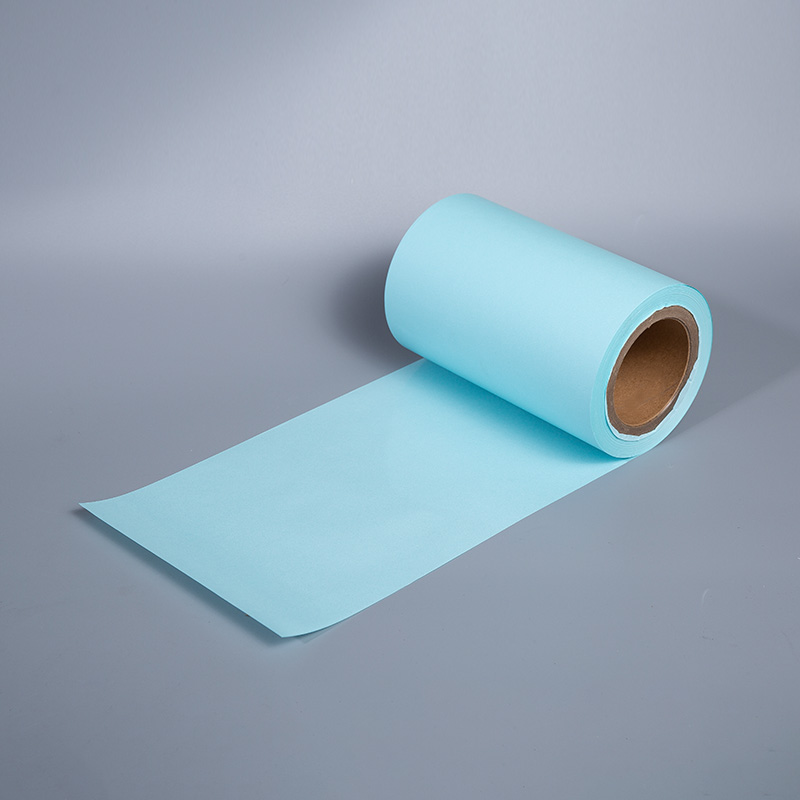
The most critical engineering metric is the release force—the amount of energy required to separate the adhesive from the liner. A common technical query in procurement is how to measure release force in a wholesale release paper roll. Consistency is paramount; if the release force fluctuates across the length of the roll, it can lead to "label tearing" or "pre-dispensing" in automated high-speed labeling lines. Engineers typically utilize the FINAT FTM testing standards to verify the stable peel profile of a release paper roll.
While standard liners may exhibit significant "peel creep" over time, high-quality PET-based liners from Anhui Hengbo New Material Co., Ltd. maintain a stable release profile even under varying environmental temperatures.
| Performance Metric | High-Quality PET Release Liner | Standard Glassine Release Paper |
| Release Force Stability | Excellent (Minimal deviation < 5g/25mm) | Moderate (Prone to atmospheric humidity) |
| High-Speed Dispensing | Superior (High tensile strength) | Good (Limited by paper tear strength) |
| Peel Noise | Ultra-low (Smooth silicone curing) | Variable |
2. Substrate Surface Energy and Material Composition
The choice of substrate—whether it be paper-based or film-based—dictates the application's success. Many industrial buyers ask: what is the difference between PET and glassine release liners? PET polyester film, a core specialty of Anhui Hengbo New Material Co., Ltd., offers superior dimensional stability and thermal resistance compared to paper. This is crucial for electronic nameplates and flexible circuits where heat during the lamination process could cause paper liners to warp or outgas.
Paper liners offer cost-efficiency for basic labeling, but PET release film for industrial die-cutting provides the high-tech precision required for complex shapes and ultra-thin adhesive layers.
| Technical Property | PET Film Substrate | Glassine/SCK Paper Substrate |
| Dimensional Stability | High (Resistant to heat and moisture) | Low (Sensitive to humidity) |
| Caliper Consistency | ± 2-3% (Highly uniform) | ± 5-10% (Fiber variation) |
| Dust Generation | Zero (Cleanroom compatible) | Low to Moderate (Fiber shedding) |
3. Silicone Coating Integrity and Solvent Resistance
The silicone coating on a release paper roll must be perfectly cured to prevent "silicone migration." If the silicone is not bonded correctly to the substrate, it can contaminate the adhesive, leading to total product failure in industries like medicine (plaster paper) or electronics. Understanding how to test silicone curing on release liners involves solvent rub tests to ensure the chemical bond is permanent.
As a leading PET release film manufacturer, Anhui Hengbo employs advanced coating technology to ensure that our release paper roll products achieve a high "Subsequent Adhesion Strength" (SAS), confirming that no silicone residue remains on the adhesive after separation.
- SAS Rating: High-end industrial liners should achieve an SAS of >90%.
- Chemical Resistance: The coating must withstand exposure to solvents found in industrial adhesives.
- Surface Smoothness: Essential for maintaining the "wet-out" of thin-film adhesives without creating air bubbles.
4. Caliper Uniformity for Precision Die-Cutting
For die-cutting and punching processing, the thickness (caliper) of the release paper roll must be exceptionally uniform. Variations in thickness can lead to "deep cuts" that penetrate the liner or "shallow cuts" where the label fails to release. Engineers must evaluate why caliper uniformity matters for high-speed labeling: it ensures that the die-cutting blade pressure remains constant throughout the production run. At Anhui Hengbo, our manufacturing process utilizes precision monitoring to ensure our PET films serve as the perfect benchmark for insulating products and circuit boards.
5. Environmental Adaptation and Storage Longevity
Industrial labeling often involves long shipping cycles. A wholesale release paper roll must be evaluated for its shelf life. How to store release paper rolls to prevent curling is a common operational concern. PET-based liners are inherently more resistant to environmental shifts than paper liners, making them the preferred choice for waterproof materials and reflective materials that may experience temperature fluctuations during transit to global markets.
Frequently Asked Questions (FAQ)
1. Does PET film provide better transparency than paper for labeling?
Yes. PET release paper roll substrates are highly transparent, which is vital for clear-on-clear labeling where the visual clarity of the product is a priority.
2. Can these release liners be used for medical applications?
Absolutely. Anhui Hengbo New Material Co., Ltd. produces liners used specifically in medicine for plaster paper and other medical adhesive products, adhering to high purity standards.
3. What is the standard thickness for industrial PET release films?
Common thicknesses range from 12μm to 100μm, depending on the requirements for lamination, die-cutting, or insulating products.
4. How does silicone migration affect electronic components?
Silicone migration can lead to poor electrical contact or "de-wetting" of coatings. Using a high-quality release paper roll with cured silicone from a reputable manufacturer prevents these issues in circuit board manufacturing.
5. Is a release paper roll compatible with UV adhesives?
Specialized PET release films are engineered to allow UV light penetration for curing adhesives through the liner, which is a common requirement in the electronics and film sealing industries.
Industry References
- FINAT Technical Handbook: Test Methods for Pressure Sensitive Materials (FTM 1 - FTM 10).
- ASTM D3330: Standard Test Method for Peel Adhesion of Pressure-Sensitive Tape.
- ISO 9001:2015 - Quality Management Systems — Requirements for PET and Film Manufacturing.
- Technical Research Archives: Anhui Hengbo New Material Co., Ltd. (2017-2026).