 En
En  中文简体
中文简体 西班牙语
西班牙语

Article Directory
What Is Adhesive Vinyl and What Is It Used For?
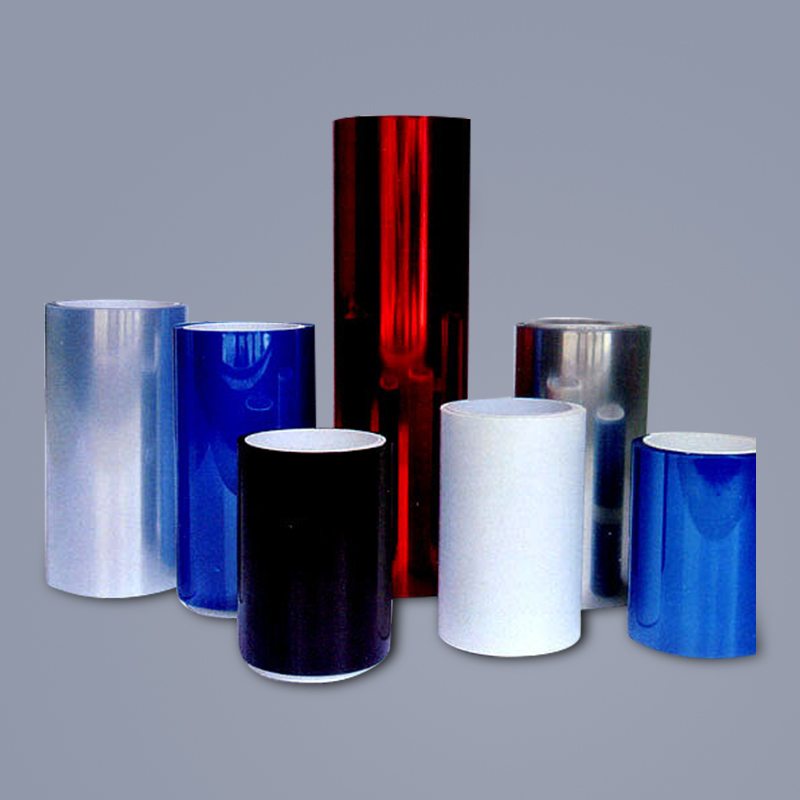
Adhesive vinyl is a thin, flexible plastic film with a pressure-sensitive adhesive backing protected by a release liner. Once the liner is peeled away, the film bonds to smooth or semi-smooth surfaces on contact. The material is available in permanent and removable grades, glossy or matte finishes, and a range of opacities — from fully opaque solid colors to printable white and transparent options.
So what is vinyl paper used for in practice? The applications span a wide range of industries and everyday settings:
- Wall murals, accent panels, and decorative overlays in residential and commercial interiors
- Vehicle wraps and fleet graphics on cars, vans, and trailers
- Retail window graphics, storefront lettering, and point-of-sale displays
- Product labeling on bottles, packaging, and industrial components
- Craft projects such as custom tumblers, phone cases, and personalised home décor
- Furniture and cabinet refacing to update surfaces without replacement
The material's versatility comes from the combination of its thin profile, color range, and the choice between short-term removable and long-term permanent adhesive formulations.
Self Adhesive Vinyl Wall Covering: Surfaces, Finishes, and Sizing
Self adhesive vinyl wall covering has become a popular alternative to traditional wallpaper because it requires no paste, dries instantly, and can be repositioned during installation. Most wall-grade vinyl films are 3–5 mil thick, which gives them enough body to bridge minor surface texture while remaining pliable enough to smooth out by hand.
Before selecting a product, consider the following factors:
- Surface condition: Adhesive vinyl performs best on flat, clean, painted drywall, glass, or sealed plaster. Heavily textured surfaces such as sand-finish paint or exposed brick will cause air pockets and reduce adhesion.
- Finish type: Matte finishes conceal wall imperfections more effectively; gloss finishes are easier to wipe clean and suit kitchens or bathrooms.
- Pattern repeat: Printed wall vinyl with a repeat pattern requires extra material — typically 10–15% overage — to align seams correctly.
- Roll width: Standard consumer rolls are 17–24 inches wide, while commercial rolls can reach 54 inches or more, reducing the number of seams on large surfaces.
For accent walls and feature panels, a single decorative sheet or mural panel eliminates seaming entirely and is gaining traction in hospitality and retail fit-outs.
How to Apply Adhesive Vinyl to Walls and Other Surfaces
Knowing how to apply adhesive vinyl correctly is what separates a clean, professional-looking result from a bubble-filled, misaligned one. The process is consistent across most surfaces, though wall installations introduce the added challenge of working vertically on larger sheets.
Step 1 — Prepare the Surface
Clean the surface thoroughly with isopropyl alcohol (70% or higher) and allow it to dry for at least 15 minutes. Remove dust, grease, and any loose paint. Fresh paint should cure for a minimum of 30 days before vinyl is applied — earlier application risks pulling the paint when the vinyl is eventually removed.
Step 2 — Measure, Cut, and Position
Cut the vinyl 1–2 inches larger than the target area on all sides, then use a level and masking tape to mark horizontal and vertical reference lines on the surface. For wall applications, use painter's tape to hold the sheet in position before committing. This dry-positioning step catches alignment errors before the adhesive makes contact.
Step 3 — Apply Using the Hinge Method
Tape the vinyl to the wall along one vertical edge to create a hinge. Peel back half the liner and fold it behind the sheet. Working from the hinged edge outward, use a squeegee or application card at a 45-degree angle to press the vinyl firmly against the surface, moving in overlapping horizontal strokes. Remove the remaining liner and repeat. Always work from the center of each stroke toward the edges to push air outward rather than trapping it.
Step 4 — Trim and Finish
Use a sharp craft knife and steel ruler to trim excess vinyl at the edges. Run the squeegee over the entire surface one final time to ensure full contact, paying extra attention to corners and seams. Small remaining bubbles can often be worked out by pressing firmly toward the nearest edge; persistent bubbles can be pierced with a pin at a shallow angle and then smoothed flat.
What to Use Removable Vinyl For
Removable vinyl uses a lower-tack adhesive formulated to release cleanly from most painted surfaces without tearing the substrate or leaving residue — provided it is removed within the intended timeframe, which is typically 1–3 years for most consumer-grade products.
Knowing what to use removable vinyl for helps avoid the mistake of applying permanent vinyl in situations that call for flexibility:
| Use Case | Why Removable Vinyl Is the Right Choice |
|---|---|
| Rental apartment walls | Leaves walls undamaged and meets lease requirements for returning the property to its original condition |
| Seasonal retail window graphics | Can be swapped out for holidays, promotions, or rebrands without glass preparation between campaigns |
| Children's room décor | Themes and characters change as children grow; removable vinyl allows updates without repainting |
| Trade show and event displays | Applied to portable panels or venue walls for the duration of the event and removed cleanly afterward |
| Prototype product labels | Allows design iterations during development before committing to a permanent label run |
One important distinction: removable does not mean reusable. Once lifted from a surface, the adhesive picks up dust and loses tackiness, making repositioning unreliable. For applications that require repeated placement and removal — such as reusable stencils or instructional labels on equipment — look for static-cling vinyl or dry-erase-coated films instead.