 En
En  中文简体
中文简体 西班牙语
西班牙语

Article Directory
- 1 1. The Critical Role of PET Base in Dimensional Stability
- 2 2. Medical and Automotive Requirements: Solvent Resistance and Purity
- 3 3. Customization and Success in Specialized Markets
- 4 Conclusion: Selecting the Optimal Substrate
- 4.1 Frequently Asked Questions (FAQ)
- 4.1.1 1. Why is a "differential release" necessary for double sided silicone release paper?
- 4.1.2 2. Can I use high temperature double sided silicone liner for laser anti-counterfeiting?
- 4.1.3 3. How to test release force on double sided paper accurately?
- 4.1.4 4. What are the benefits of solvent-free silicone coating in medical applications?
- 4.1.5 5. What are the most common issues with double sided release liners?
- 4.2 Industry References
- 4.1 Frequently Asked Questions (FAQ)
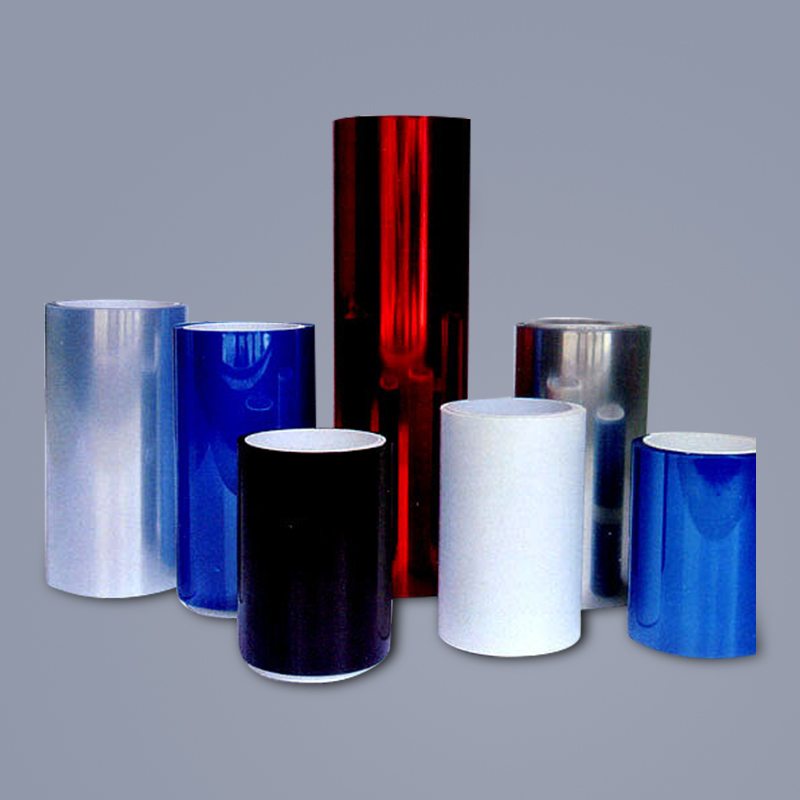
In the high-precision sectors of automotive assembly and medical device manufacturing, the performance of adhesive carriers is critical. Double sided silicone release paper serves as a vital intermediary, ensuring that double-coated tapes and medical plasters maintain their structural integrity before application. Anhui Hengbo New Material Co., Ltd., established in 2017, specializes in the production of high-performance PET polyester films and double sided silicone release paper. Our ISO9001 certified facility focuses on providing customized solutions for die-cutting, electronic, and pharmaceutical industries. This article provides an engineering-level analysis of how different base materials influence the dimensional stability of release liners, particularly under the thermal and mechanical stresses common in advanced manufacturing.
1. The Critical Role of PET Base in Dimensional Stability
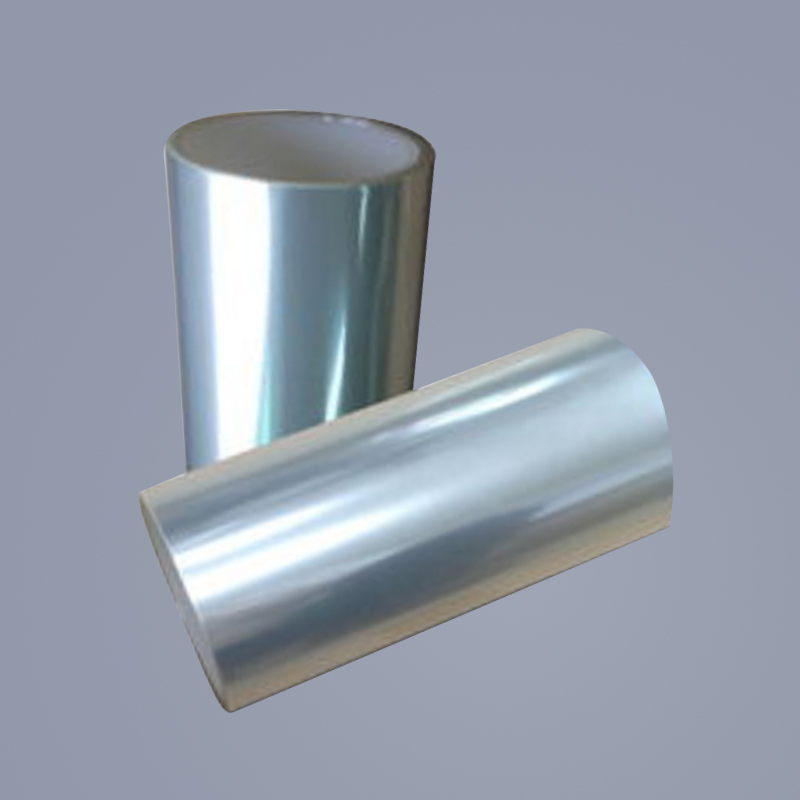
For applications requiring absolute precision, such as flexible circuits or automotive sensors, PET based double sided release film is often the gold standard. Polyethylene Terephthalate (PET) provides a non-porous, thermally stable substrate that resists shrinking or expanding when subjected to the curing temperatures of silicone coatings. When comparing PET vs glassine for double sided release, PET exhibits significantly lower hygroscopic expansion, meaning it does not "curl" when exposed to varying humidity levels. This makes it the best base material for automotive release paper where tight tolerances are mandatory. At Anhui Hengbo, our high temperature double sided silicone liner solutions utilize biaxially-oriented PET to ensure the highest tensile strength and equilibrium.
Substrate Stability Comparison
- Polyester (PET) Film: Superior resistance to moisture and heat; ideal for die-cutting double sided release paper processes.
- Glassine Paper: Excellent smoothness and density, but more susceptible to dimensional changes in humid environments compared to synthetic films.
| Material Property | Glassine Release Paper | PET Double Sided Silicone Release Paper |
| Thermal Stability | Moderate (up to 120°C) | Excellent (up to 180°C) |
| Moisture Resistance | Low (Hydrophilic) | Superior (Hydrophobic) |
| Thickness Uniformity | Good | Exceptional (Micron-level control) |
2. Medical and Automotive Requirements: Solvent Resistance and Purity
The medical industry demands medical grade double sided silicone paper that is chemically inert and biostable. Double sided silicone release paper used for surgical tapes or nicotine patches must not interfere with the active adhesive ingredients. Furthermore, solvent resistant silicone release paper is required when the adhesive is solvent-based, as the liner must remain stable during the "drying tunnel" phase of coating. How to test release force on double sided paper involves measuring the peel strength on both the "easy" and "tight" sides, ensuring a differential release that prevents adhesive transfer or "ghosting." For automotive gaskets, the benefits of solvent-free silicone coating include reduced VOC emissions, aligning with safety production standardization.
Technical Performance sequence
- Base Selection: Choosing between CCK, Glassine, or PET release film based on the end-user's thermal profile.
- Silicone Application: Utilizing multi-stage coating heads to apply differentiated release levels on each side.
- Thermal Curing: Precisely controlling the oven temperature to prevent substrate deformation while ensuring full silicone cross-linking.
- Die-Cutting Compatibility: Ensuring the liner is tough enough for high-speed die-cutting double sided release paper without tearing.
| Application Demand | Automotive Gaskets | Medical Plasters/Dressings |
| Primary Requirement | Mechanical Strength/Heat Resistance | Biocompatibility/Chemical Purity |
| Recommended Liner | Heavy duty double sided release liner | Medical grade double sided silicone paper |
| Release Level | Tight/Balanced | Easy/Low Peel |
3. Customization and Success in Specialized Markets
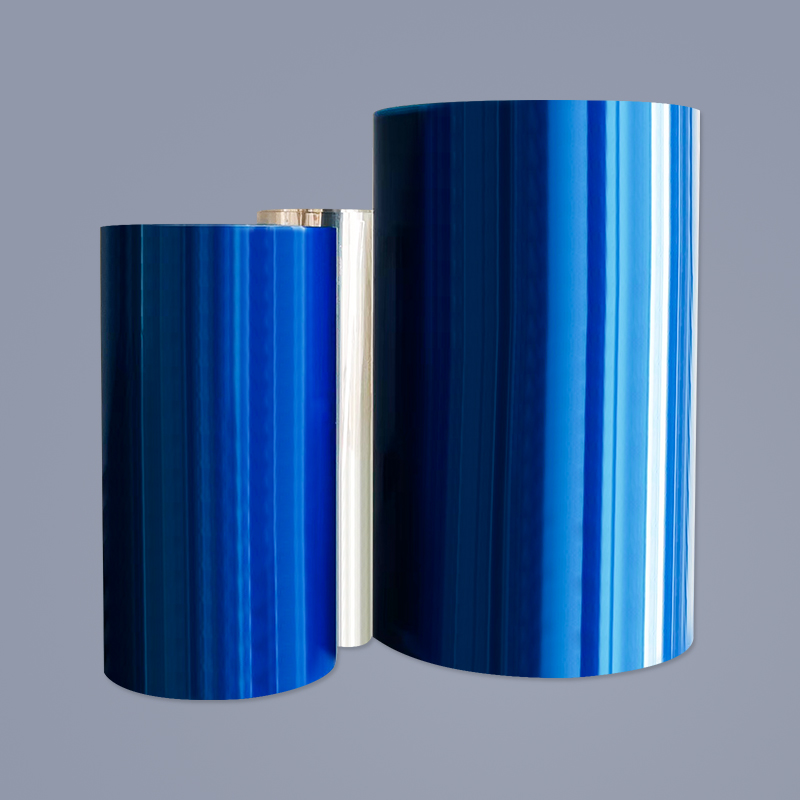
Every customer has a unique philosophy and specific requirements for double sided silicone release paper. Whether it is for membrane switches or reflective materials, the customized double sided silicone release solutions provided by Anhui Hengbo are designed to guide our customers to success. We address common issues with double sided release liners, such as silicone migration or inconsistent release values, through rigorous process control and people-oriented service. Our goal is to provide a durable double sided release carrier that functions perfectly within the complex laminating and punching processing of the modern electronics and automotive sectors.
Conclusion: Selecting the Optimal Substrate
In conclusion, while Glassine offers excellent smoothness for high-speed labeling, PET-based double sided silicone release paper provides the best dimensional stability for the stringent demands of the automotive and medical industries. Its resistance to heat, moisture, and chemical solvents makes it an indispensable material for complex adhesive applications. Anhui Hengbo New Material Co., Ltd. remains committed to providing professional quotations and thoughtful services to meet your specific industrial needs.
Frequently Asked Questions (FAQ)
1. Why is a "differential release" necessary for double sided silicone release paper?
A differential release (different peel strengths on each side) is crucial during manufacturing so the adhesive stays on the intended side of the liner when the roll is unwound, preventing process failure.
2. Can I use high temperature double sided silicone liner for laser anti-counterfeiting?
Yes. PET-based liners are highly recommended for laser applications because they maintain their flatness and do not outgas under the heat of a laser, ensuring high-fidelity results.
3. How to test release force on double sided paper accurately?
Testing is typically performed using a standard tensile tester at a 180-degree peel angle. It is vital to test both the "face" and "back" sides after aging to ensure the release levels remain stable over time.
4. What are the benefits of solvent-free silicone coating in medical applications?
Solvent-free coatings eliminate the risk of residual solvent trapped in the liner, which is essential for medical grade double sided silicone paper to ensure patient safety and skin compatibility.
5. What are the most common issues with double sided release liners?
The most frequent challenges include "blocking" (where the layers stick together), silicone transfer to the adhesive, and dimensional curling due to moisture imbalance in paper-based substrates.
Industry References
- FINAT FTM 3: Low Speed Release Force Testing Standards.
- ASTM D3330: Standard Test Method for Peel Adhesion of Pressure-Sensitive Tape.
- ISO 9001:2015: Quality Management Systems in Polymer Film Manufacturing.
- Anhui Hengbo Technical Bulletin: "Thermal Expansion Coefficients of Biaxially Oriented PET Films" (2024).