 En
En  中文简体
中文简体 西班牙语
西班牙语

Article Directory
- 1 1. Analyzing Substrate Material and Mechanical Stability
- 2 2. Release Force Calibration and Adhesive Compatibility
- 3 3. Environmental and Industrial Application Factors
- 4 Conclusion: A Scientific Approach to Release Solutions
- 4.1 Frequently Asked Questions (FAQ)
- 4.1.1 1. What is the difference between single sided vs double sided silicone release paper?
- 4.1.2 2. How do I determine the custom release force for silicone paper I need?
- 4.1.3 3. Why is silicone release paper coating uniformity so important?
- 4.1.4 4. Are there benefits of solventless silicone coating for release liners?
- 4.1.5 5. What are the best standard sizes for industrial silicone release paper rolls?
- 4.2 Industry References
- 4.1 Frequently Asked Questions (FAQ)
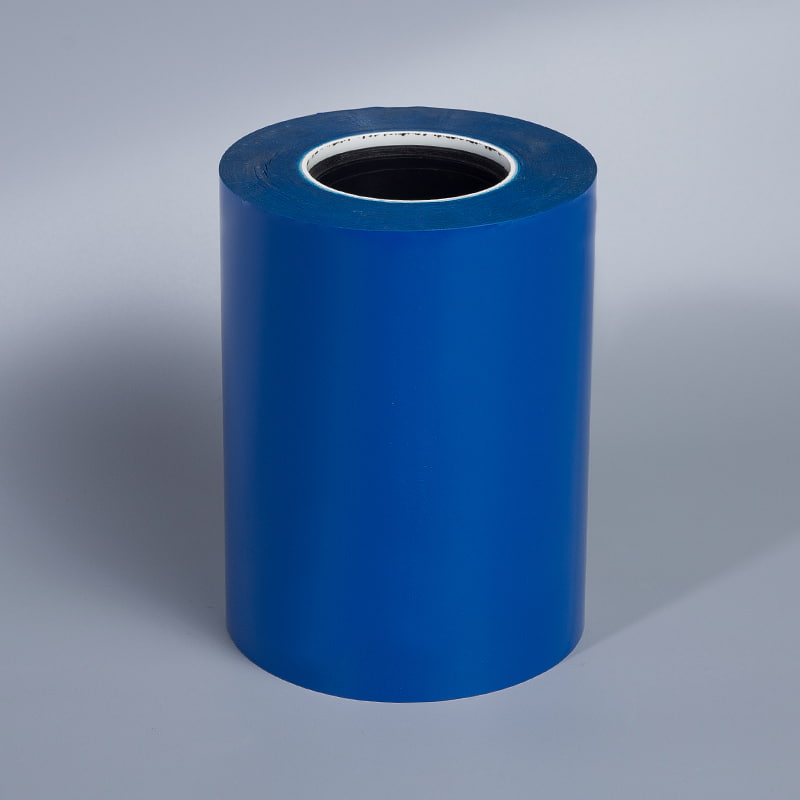
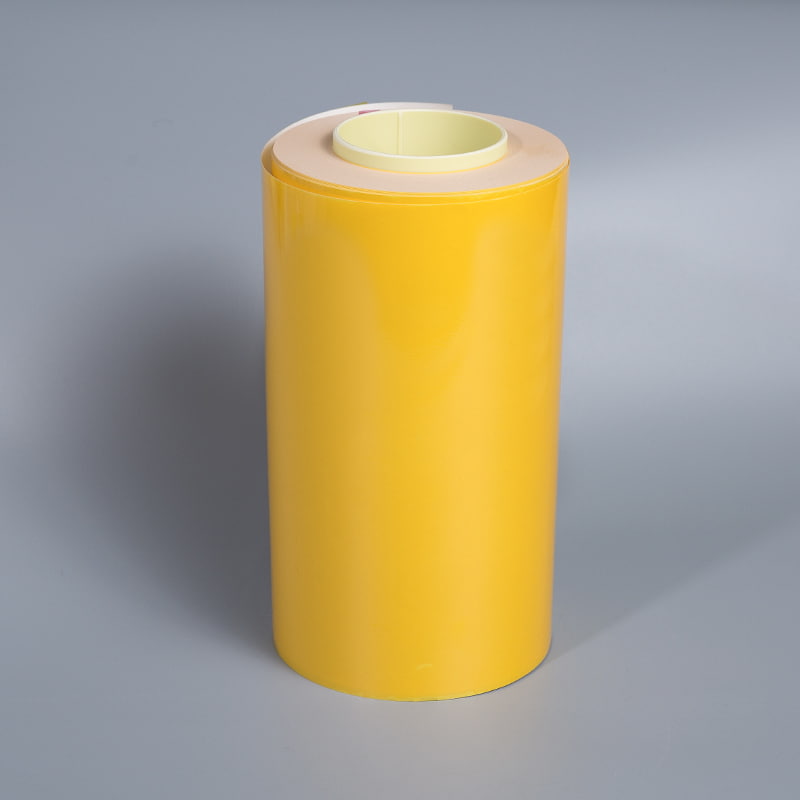
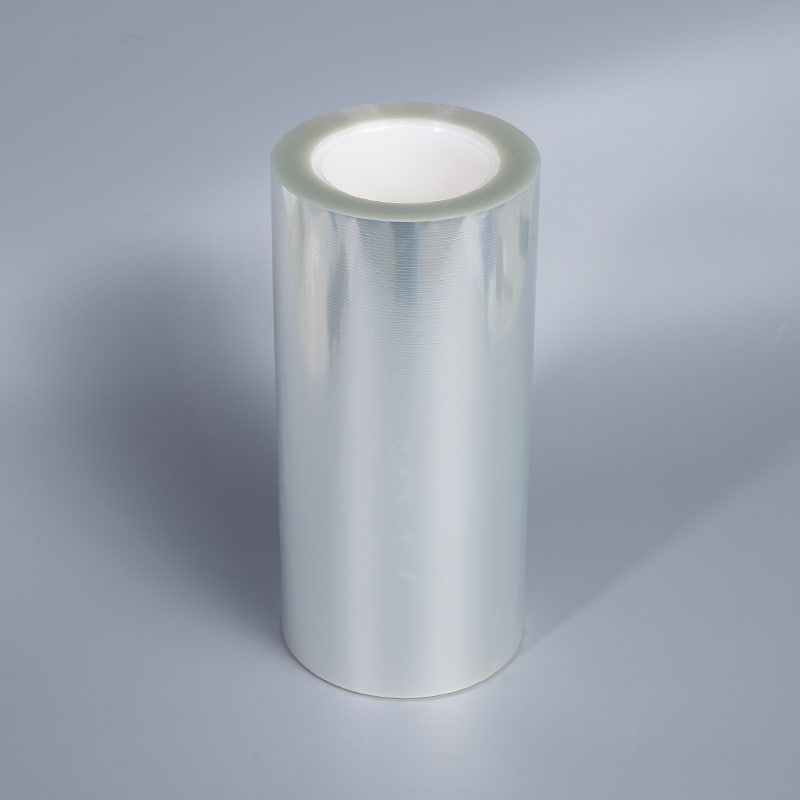
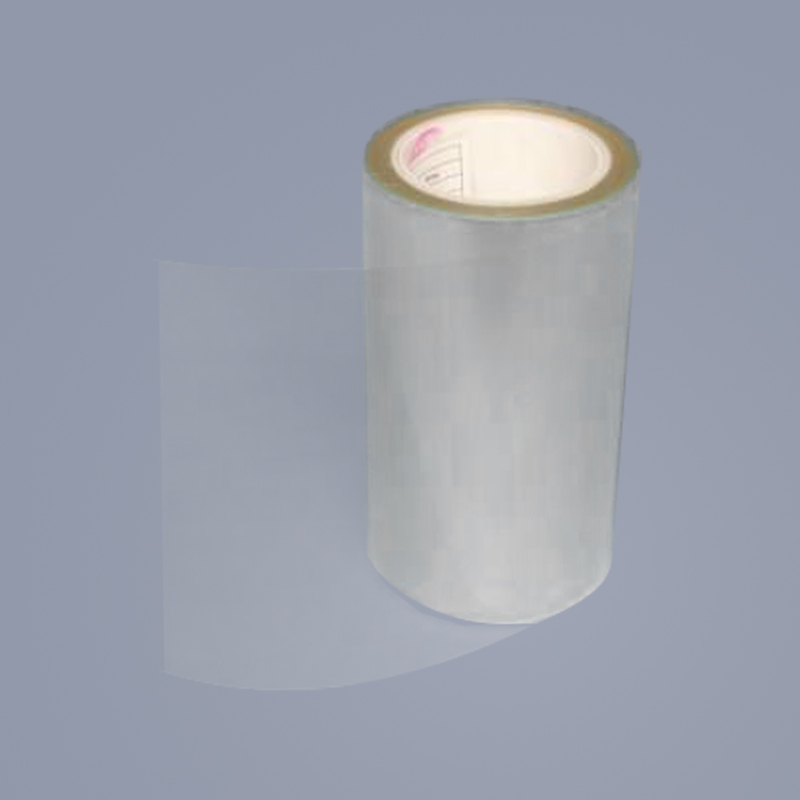
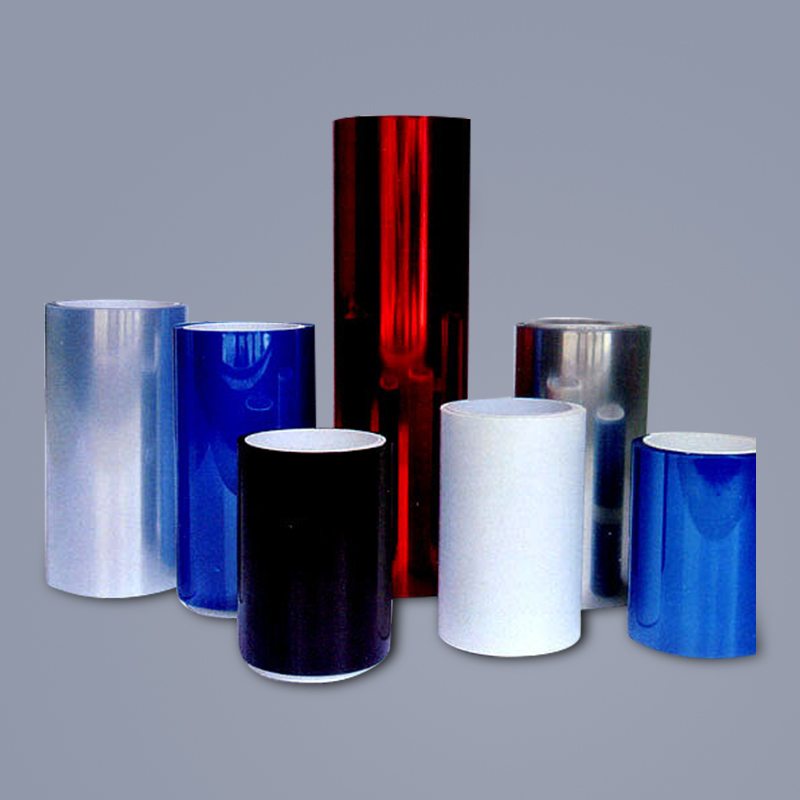
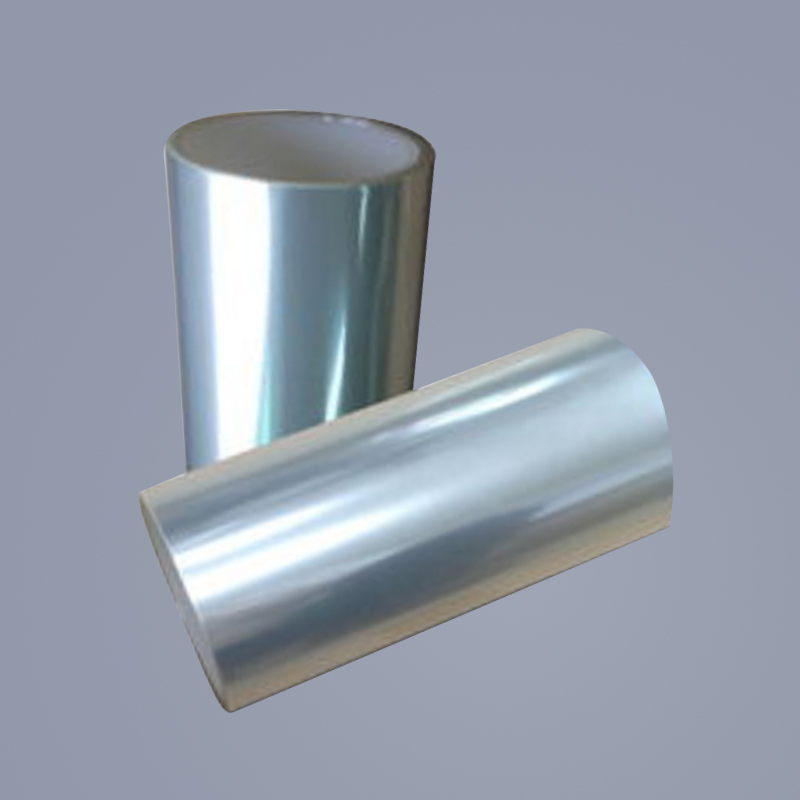
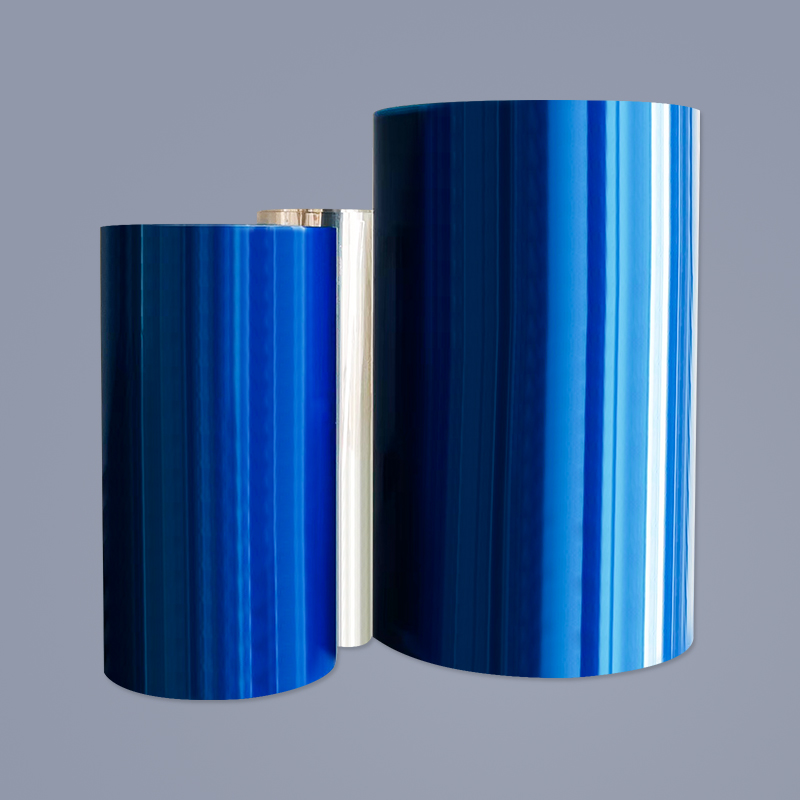
In the precision-driven world of adhesive technology, the performance of the release liner is as critical as the adhesive itself. Selecting the optimal silicone release paper roll requires a deep understanding of interfacial science, mechanical properties, and environmental variables. Anhui Hengbo New Material Co., Ltd., established in 2017, has become a benchmark in the manufacturing of PET polyester films and specialized silicone release paper roll solutions. Holding ISO9001 international certification, our technical team focuses on providing customized solutions for industries ranging from flexible circuits to medical plaster paper. This guide provides an engineer-level framework for choosing silicone release paper for pressure sensitive adhesives to ensure seamless die-cutting and application success.
1. Analyzing Substrate Material and Mechanical Stability
The base paper serves as the structural foundation of the silicone release paper roll. When comparing Glassine vs CCK release paper, engineers must evaluate the dimensional stability required for their specific process. Glassine paper, known for its high density and transparency, is ideal for high-speed automated labeling, whereas Clay Coated Kraft (CCK) offers superior flat-lay properties for large-format laminations. For high-precision electronics, a silicone coated PET film vs paper release liner comparison reveals that PET offers better thickness uniformity and tensile strength, which is vital for membrane switches and flexible circuits. Understanding the silicone release paper weight and thickness options is the first step in ensuring the liner can withstand the mechanical tension of your coating line.
Substrate Performance Matrix
- Dimensional Stability: Resistance to curling or shrinking under thermal stress.
- Smoothness: Affects the "wet-out" of the silicone coating and the final adhesive appearance.
| Substrate Type | Typical Weight (gsm) | Transparency | Thermal Resistance |
| Glassine | 60 - 120 | High | Moderate (up to 150°C) |
| CCK (Clay Coated) | 80 - 160 | Opaque | High |
| Silicone Coated PET Film | 25 - 125 (microns) | Excellent | Very High (up to 200°C) |
2. Release Force Calibration and Adhesive Compatibility
The release force is the energy required to separate the adhesive from the silicone release paper roll. This is measured in grams per inch (g/in) or cN/25mm. Achieving custom release force for silicone paper involves adjusting the cross-linking density of the silicone polymer. If the release is too light, "premature pre-dispensing" occurs; if it is too tight, it may cause the carrier film to tear or the adhesive to transfer incorrectly. For aggressive acrylics, a heavy release silicone paper for aggressive adhesives is necessary to maintain control. Conversely, low release force silicone paper for medical tapes ensures that medical plasters can be removed easily without damaging sensitive substrates. At Anhui Hengbo, we utilize advanced coating technology to ensure silicone release paper coating uniformity, which prevents "dead spots" in release performance.
Release Level Classification
- Easy Release (1-10g): Ideal for high-speed automatic labeling and large-surface applications.
- Medium Release (15-40g): The standard for most industrial adhesive tapes and die-cutting.
- Tight Release (50g+): Specifically designed as single sided vs double sided silicone release paper secondary liners to prevent accidental delamination.
3. Environmental and Industrial Application Factors
Thermal and chemical environments significantly impact the shelf life of silicone release paper rolls. In die-cutting silicone release paper for electronics, the liner must remain stable under the heat of curing ovens. For automotive and construction sectors, waterproof silicone release paper for construction applications is engineered with PE lamination to prevent moisture absorption. Furthermore, the benefits of solventless silicone coating for release liners include not only environmental protection but also improved stability against chemical migration, which is essential for pharmaceutical plaster paper. Anhui Hengbo adheres to safety production standardization to ensure our products perform reliably in diverse industries, including reflective and sealing materials.
| Industrial Application | Recommended Feature | Performance Requirement |
| Medical / Plaster | Biocompatible / Cleanroom Produced | No chemical migration; Easy release |
| Die-Cutting | High Tensile Strength | Clean edges; No adhesive oozing |
| Silicone Release Paper Roll for Printing | Heat Resistance | Ink adhesion compatibility on the non-silicone side |
Conclusion: A Scientific Approach to Release Solutions
Selecting the right silicone release paper roll is a balancing act between substrate strength, silicone chemistry, and application requirements. By evaluating silicone release paper weight and thickness options alongside adhesive chemistry, engineers can optimize production efficiency and product quality. Anhui Hengbo New Material Co., Ltd. remains committed to providing professional, reasonable quotations and patient, careful service to guide our customers toward success in the competitive global market.
Frequently Asked Questions (FAQ)
1. What is the difference between single sided vs double sided silicone release paper?
Single-sided paper is coated with silicone on one side for standard labels, while double-sided paper has silicone on both sides (often with different release levels) for double-sided tapes and interleaving applications.
2. How do I determine the custom release force for silicone paper I need?
This is determined by the "tack" of your adhesive. Generally, the stronger the adhesive, the tighter the release force required to prevent accidental peeling during processing.
3. Why is silicone release paper coating uniformity so important?
Uniformity ensures that the release force is consistent across the entire width and length of the roll. Inconsistent coating leads to "adhesive ghosting" or tearing during high-speed automated applications.
4. Are there benefits of solventless silicone coating for release liners?
Yes. Solventless coatings are more environmentally friendly, offer better high-temperature stability, and typically have lower migration rates, which is crucial for sensitive electronics and medical applications.
5. What are the best standard sizes for industrial silicone release paper rolls?
While we offer customized widths, standard industrial widths range from 1000mm to 1300mm. Lengths can be adjusted based on your machinery's unwinding capacity to maximize efficiency.
Industry References
- FINAT Technical Handbook: Test Methods for Self-Adhesive Materials (FTM 3 & FTM 4).
- ASTM D3330: Standard Test Method for Peel Adhesion of Pressure-Sensitive Tape.
- ISO 9001:2015: Quality Management Systems — Requirements for Specialized Coatings.
- Anhui Hengbo New Material Co., Ltd. Internal Laboratory Report on Silicone Migration (2025).