 En
 中文简体


Article Directory
- 1 Glassine vs. CCK Release Paper: Why Die-Cutting Cleanliness and Heat Resistance Matter
- 2 What Is Glassine Release Paper?
- 3 What Is Clay Coated Kraft (CCK) Paper?
- 4 Manufacturing Differences That Drive Performance
- 5 Die-Cutting Cleanliness: Glassine vs. CCK
- 6 Heat Resistance: Glassine vs. CCK
- 7 Silicone Coating, Release Force, and Converting Behavior
- 8 Application Scenarios: Where Each Paper Wins
- 9 How to Choose Between Glassine and CCK Release Paper
- 10 Frequently Asked Questions
- 11 Final Thoughts
Glassine vs. CCK Release Paper: Why Die-Cutting Cleanliness and Heat Resistance Matter
Release liners are rarely the focus of a product launch, yet they influence die-cutting yield, adhesive stability, and converting speed more than many converters expect. Two paper-based liners dominate discussions in label, tape, and medical converting: glassine release paper and clay coated kraft (CCK) paper. Both are silicone-coated paper liners, but they behave differently when a rotary die cuts through adhesive, when heat is applied during lamination, and when a clean release surface is critical.
This guide compares glassine and CCK release papers on the two performance dimensions that matter most in production: die-cutting cleanliness and heat resistance. It also explains where each liner fits, how silicone coating affects release force, and what to check before specifying a paper liner for a new application.
What Is Glassine Release Paper?
Glassine is a highly calendered, dense paper made from wood pulp. Its fibers are compressed and polished until the sheet becomes smooth, transparent in thin grades, and virtually non-porous. In release liner form, glassine receives a silicone coating on one or both sides, creating a stable surface that adhesives release from with low and consistent force.
Glassine liners are often chosen for labels, tapes, and medical products because they resist moisture penetration, resist many oils, and provide a very smooth adhesive interface. The density of the sheet also helps prevent silicone from soaking too deeply into the paper, which supports uniform release.
- Smooth, dense surface with low air permeability
- Excellent dimensional stability under humidity changes
- Low and consistent release force in many adhesive systems
- Good visual transparency in thinner grades
What Is Clay Coated Kraft (CCK) Paper?
Clay coated kraft paper starts with a kraft base sheet that is coated with a clay-based mineral layer. The clay coating fills the paper’s surface pores, creating a smoother, brighter face for silicone application. CCK release paper is generally more economical than glassine, and it offers a different balance of stiffness, opacity, and heat response.
Because the clay coating sits on top of the kraft base, the silicone does not need to bond to raw paper fibers. This can improve coating uniformity in some production lines. However, the coating layer and the kraft substrate can react differently to moisture, heat, and mechanical stress, so CCK is not simply a lower-cost glassine.
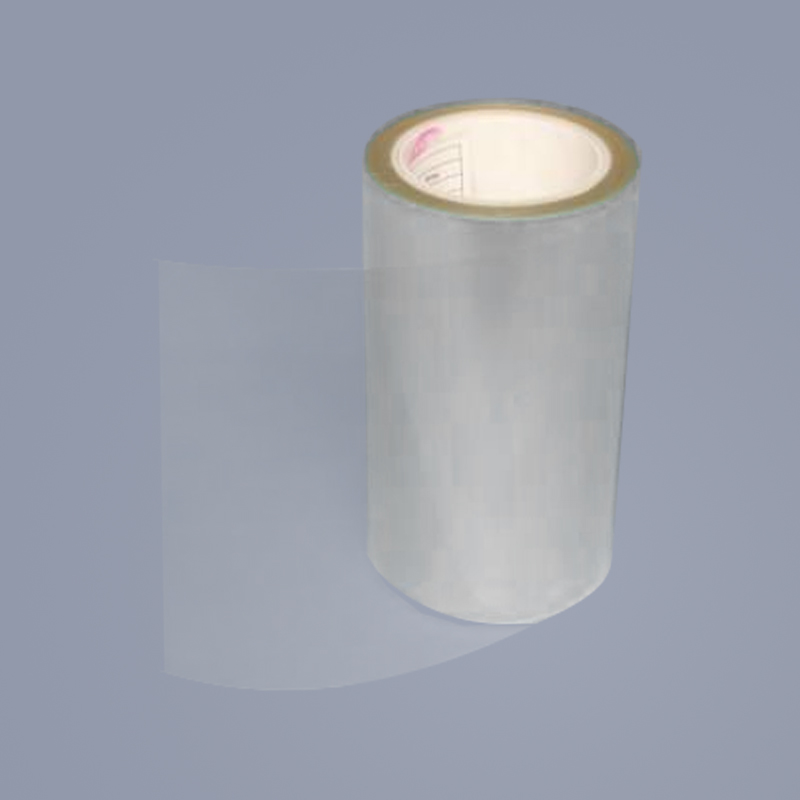 Copperplate Paper Release Paper for Film LabelsCopperplate paper release liner for film labels, available with single- or double-sided coating, back treatment, and 500–1600 mm width.View Product →
For converters who need a coated paper release liner with reliable silicone anchorage, Anhui Hengbo New Material supplies copperplate paper release paper alongside its PET release film and protective film ranges. The copperplate paper platform is designed for adhesive, label, and industrial converting applications where consistent release performance is required.
Manufacturing Differences That Drive Performance
Base Sheet Formation
Glassine is supercalendered under high pressure and heat to densify the fiber network. CCK relies on a mineral coating to smooth the surface rather than fully collapsing the base sheet. This difference affects compressibility, tear resistance, and how the liner behaves when a die strikes it.
Silicone Coating and Curing
Both liners require a silicone coating that cures into a release layer. On glassine, the dense surface limits penetration, so the coating tends to stay near the surface. On CCK, the clay layer can absorb or interact with silicone differently, depending on coating weight and cure conditions. A well-controlled CCK line can achieve excellent release, but the process window may be narrower.
Moisture Interaction
Paper is hygroscopic, meaning it absorbs and releases moisture with changing humidity. Glassine’s dense structure slows that exchange, while CCK’s kraft base and clay coating can expand and contract at different rates. In high-humidity plants, this can influence curl, dimensional stability, and die-cutting registration.
Die-Cutting Cleanliness: Glassine vs. CCK
Die-cutting cleanliness describes how cleanly a liner separates from adhesive during rotary or flatbed die-cutting, without fiber tear, adhesive ooze, or dust. A dirty cut creates adhesive buildup on tooling, web breaks, and rejected labels. Glassine and CCK respond differently because of their surface density and internal bond strength.
| Performance Factor | Glassine Release Paper | CCK Release Paper |
|---|---|---|
| Cut edge quality | Usually very clean; dense fibers resist tear | Good when blade and clay coating are matched |
| Dust generation | Low; minimal fiber pull-out | Can be higher if coating cracks or kraft fibers tear |
| Adhesive buildup on dies | Lower risk with well-cured silicone | Moderate risk if release force drifts or coating transfers |
| Web stability during high-speed cutting | Excellent dimensional stability | Good, but moisture control is more critical |
Why Glassine Often Runs Cleaner
Glassine’s high density gives it a uniform, almost plastic-like cutting response. The fibers are tightly bonded, so the die produces a crisp edge with little loose material. For small labels, thin tapes, and medical patches, this cleanliness translates into fewer stoppages and more consistent matrix stripping.
Where CCK Can Match or Beat Glassine
CCK is not automatically dirtier. When the clay coating is uniform, the silicone is properly cured, and the die is sharp, CCK can cut cleanly at high speed. Its slightly stiffer feel can also help certain webs stay flat through the cutting station. The key is matching the liner’s release force and caliper to the adhesive and die geometry.
Heat Resistance: Glassine vs. CCK
Heat resistance matters during hot-melt adhesive coating, lamination, laser printing, and thermal transfer. A liner that softens, curls, or releases silicone prematurely can cause adhesive transfer, blocking, or web distortion. The two papers differ in how their base sheet and coating respond to elevated temperatures.
| Heat-Related Property | Glassine Release Paper | CCK Release Paper |
|---|---|---|
| Thermal stability of base sheet | High; dense fibers resist softening | Moderate; kraft base can lose stiffness sooner |
| Silicone cure retention at temperature | Generally stable when properly cured | Depends on coating weight and clay interaction |
| Curl and dimensional change under heat | Low curl tendency | Higher risk if moisture content is uneven |
| Typical heat exposure fit | Hot-melt coating, thermal transfer, some laser processes | Moderate heat; best with controlled web tension and moisture |
Thermal Stability and Silicone Cure
Glassine’s dense sheet helps protect the silicone layer from excessive heat transfer and prevents the adhesive from migrating into the paper. CCK can perform well in warm conditions, but if the clay coating is undercured or the base sheet picks up moisture, heat can accelerate blocking or release-force drift.
Laser and Thermal Transfer Considerations
In laser printing and thermal transfer, the liner must tolerate localized heat without releasing prematurely or distorting. Glassine is often preferred for these processes because of its dimensional stability. CCK can be used when the process temperature is moderate and the liner is conditioned to the pressroom environment.
Silicone Coating, Release Force, and Converting Behavior
The base paper is only half the story. Silicone chemistry, coating weight, and cure determine release force, which then influences die-cutting cleanliness and heat performance. A glassine liner with poor silicone anchorage can still leave residue; a well-made CCK liner can release cleanly if the coating system is matched to the adhesive.
- Release force: Lower release force generally supports gentler die-cutting, but too low a force can cause labels to lift before application.
- Silicone anchorage: Strong anchorage prevents silicone transfer to adhesive and tooling, protecting die cleanliness.
- Coating uniformity: Variations across the web create zones of different release, which can show up as adhesive ooze or liner tear.
- Cure level: Under-cured silicone may smear under heat; over-cured silicone can become brittle and dust during cutting.
Application Scenarios: Where Each Paper Wins
Glassine-Favored Applications
- Pharmaceutical and medical labels that need clean release and low extractables
- Small, high-speed die-cut labels where edge quality is critical
- Tapes and protective films requiring low release force
- Thermal transfer and laser-printed labels with localized heat exposure
CCK-Favored Applications
- General-purpose labels and packaging where cost efficiency matters
- Larger labels and less intricate die shapes with moderate heat exposure
- Industrial tapes and adhesive products where a stiffer liner improves handling
- Applications with controlled humidity and well-maintained die tooling
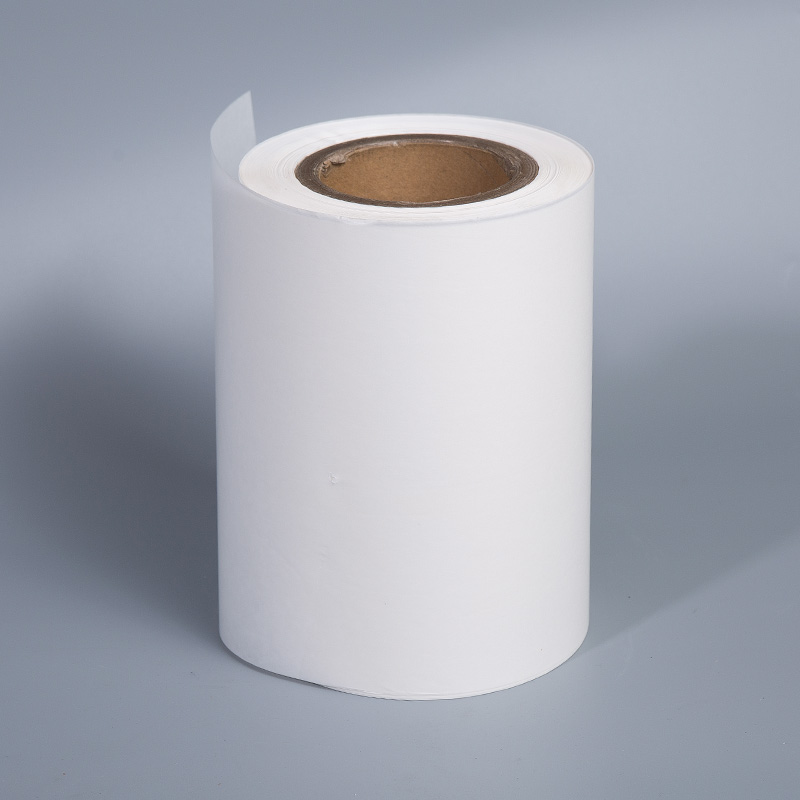 Glassine Release Paper for Labels, Tapes, and Die-CuttingGlassine release paper category with colored, embossed, grid, single- or double-sided silicone liners, 40–120gsm, for labels, tapes, electronics, and medical.View Product →
Some converters also evaluate alternative liners when glassine supply or cost becomes a constraint. Anhui Hengbo’s Gracin release paper is a high-transparency paper liner option for industrial applications, and its PET release film range offers another route when film-based release is preferred over paper.
How to Choose Between Glassine and CCK Release Paper
Choose based on the adhesive, the die-cutting process, and the thermal profile of the application. The following checklist can help narrow the decision before committing to a production run.
- Profile the adhesive: Hot-melt, acrylic, rubber, and silicone adhesives release differently from paper liners.
- Test die-cutting at production speed: A clean bench cut does not guarantee clean rotary die-cutting.
- Measure release force after heat aging: Heat can change release force over time, especially on CCK.
- Check humidity conditioning: Paper liners should be conditioned to the pressroom before cutting.
- Inspect silicone anchorage: Rub-test the liner and examine tooling for residue after a trial run.
- Review liner caliper and stiffness: Thicker, stiffer liners can support flatness but may cut less cleanly.
- Validate with the actual label or tape construction: The adhesive, facestock, and liner interact as a system.
For a broader comparison of paper and film liners, see this guide to copperplate vs. PE release paper differences. If you need supplier-side support, Anhui Hengbo New Material provides release film and release paper solutions for labels, tapes, medical, and industrial converting.
Frequently Asked Questions
Q1: What is the main difference between glassine and CCK release paper?
Glassine is a dense, supercalendered paper with a very smooth surface, while CCK is a kraft paper with a clay coating. Glassine generally offers cleaner die-cutting and better dimensional stability; CCK is often more cost-effective and can perform well with the right silicone system.
Q2: Which release paper is better for high-speed die-cutting?
Glassine is usually the safer choice for intricate, high-speed die-cutting because its dense fibers produce less dust and fewer torn edges. However, a well-coated CCK liner with consistent release force can also run cleanly at high speed.
Q3: Does CCK paper resist heat as well as glassine?
CCK can tolerate moderate heat, but glassine generally has higher thermal stability because of its dense base sheet. For hot-melt coating, laser printing, or high-temperature lamination, glassine is often preferred unless the CCK liner is specifically designed for the temperature profile.
Q4: Can glassine and CCK be used with the same adhesives?
Both liners can be silicone-coated for many common adhesives, but release force must be matched to the adhesive. Hot-melt and rubber adhesives may require different silicone systems than acrylic adhesives, and the liner choice should be validated with a production trial.
Final Thoughts
Glassine and CCK release papers are not interchangeable without testing. Glassine tends to win on die-cutting cleanliness, moisture resistance, and heat stability, making it a strong fit for medical labels, small high-speed labels, and thermal processes. CCK offers a cost-effective paper liner for general labels, tapes, and packaging when the die, adhesive, and humidity are controlled.
The most reliable path is to define the production conditions first, then compare release force, cut edge quality, and heat aging data. Anhui Hengbo New Material supplies paper and film release liners for adhesive, label, medical, and industrial applications, and can support converters with material selection and custom solutions.