 En
En  中文简体
中文简体 西班牙语
西班牙语

Article Directory
- 1 What Makes Gracin Release Paper Different
- 2 Silicone Coating Technology and Release Performance
- 3 Key Physical Properties and Why They Matter in Converting
- 4 Applications Across Industries
- 5 Selecting the Right Grade: Key Specification Parameters
- 6 Sustainability Considerations and Recyclability Challenges
What Makes Gracin Release Paper Different
Gracin release paper is a silicone-coated liner built on a glassine base — a dense, calendered cellulose substrate that sets it apart from standard kraft or PE-coated alternatives. The glassine base is supercalendered to close the fiber structure, producing a surface that is exceptionally smooth, semi-translucent, and dimensionally stable. When a thin silicone layer (typically around one micron) is applied on top, the result is a liner that releases pressure-sensitive adhesives cleanly, consistently, and at high conversion speeds — without tearing, stretching, or leaving residue.
The defining advantage over ordinary release papers comes down to base paper quality. Glassine-based liners are uniformly dense with very tight caliper tolerances, which ensures the silicone coating is distributed evenly across the entire surface. Ordinary kraft or coated-paper liners have more variable porosity, meaning the silicone must penetrate uneven fiber networks before it can cure — often leading to inconsistent release values. With Gracin release paper, release force uniformity is a built-in structural property, not something achieved through excessive coating weight.
Silicone Coating Technology and Release Performance
The silicone chemistry applied to Gracin release paper is most commonly a thermally cured solventless system, catalyzed by platinum. This approach dominates for good reasons: it cures rapidly at high line speeds (up to 1,000 m/min in some configurations), produces a tightly crosslinked elastomer, and delivers the lowest residual silicone migration of any coating technology. The fully crosslinked network is critical — uncured or under-cured silicone migrates into the pressure-sensitive adhesive layer, contaminating it and degrading the final bond strength of the product the label or tape is meant to hold.
Release force — measured using a standardized peel adhesion test at 180 degrees — can be engineered across a wide range. Light release values (20–50 g/in) are typical for label face stocks, while tighter values (150–300 g/in) are specified for double-coated tapes or foam assemblies that need controlled unwind. It is important to understand that the measured release force reflects not only the silicone coating but also the stiffness of the face stock, the thickness and type of PSA, and the base substrate — so liner specification must be matched to the full laminate system, not evaluated in isolation.
Single-sided and double-sided coating configurations are both available. Double-sided differentiated release — where each face has a distinct release value — is used in composite tapes and interleaved roll goods where two adhesive layers must unwind sequentially with controlled force separation.
Key Physical Properties and Why They Matter in Converting
Beyond release performance, Gracin release paper is specified because of properties that directly affect downstream converting operations:
- Caliper consistency: Tight thickness tolerances (typically ±2–3%) allow die-cutting equipment to maintain accurate cutting depth without penetrating the liner, which is essential in high-speed rotary die operations for labels and medical patches.
- High tensile strength: The dense glassine fiber structure resists tearing during peel-off, even at sharp angles or high dispensing speeds, reducing waste and line stoppages.
- Moisture resistance: Glassine's supercalendered surface limits moisture absorption, preserving dimensional stability across humidity-variable storage and production environments.
- Temperature resistance: Gracin release papers maintain silicone integrity at elevated temperatures, making them viable for autoclave-compatible medical devices, hot-melt adhesive lamination, and certain composite manufacturing processes.
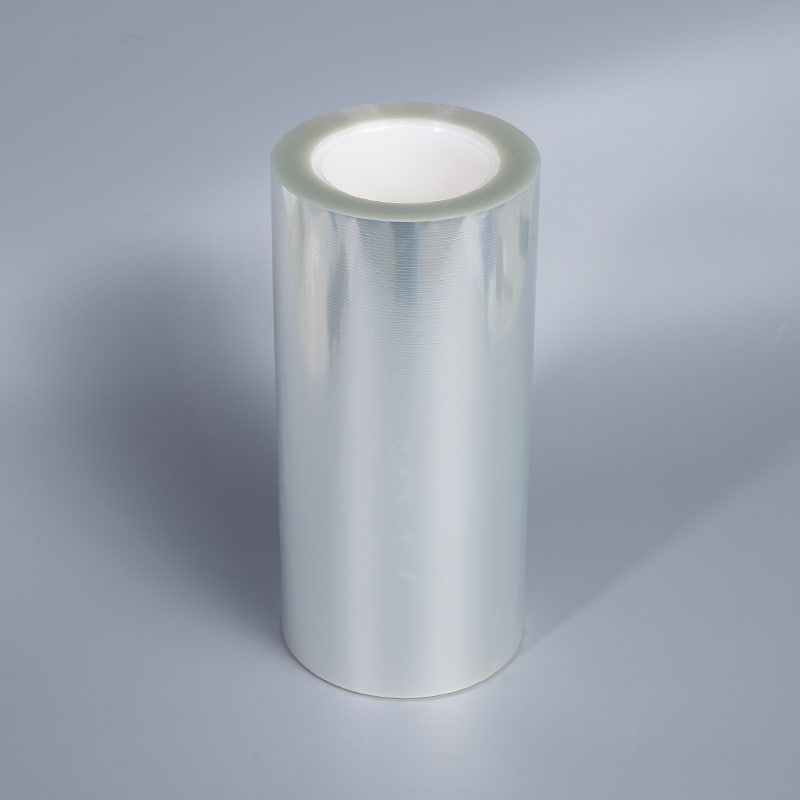
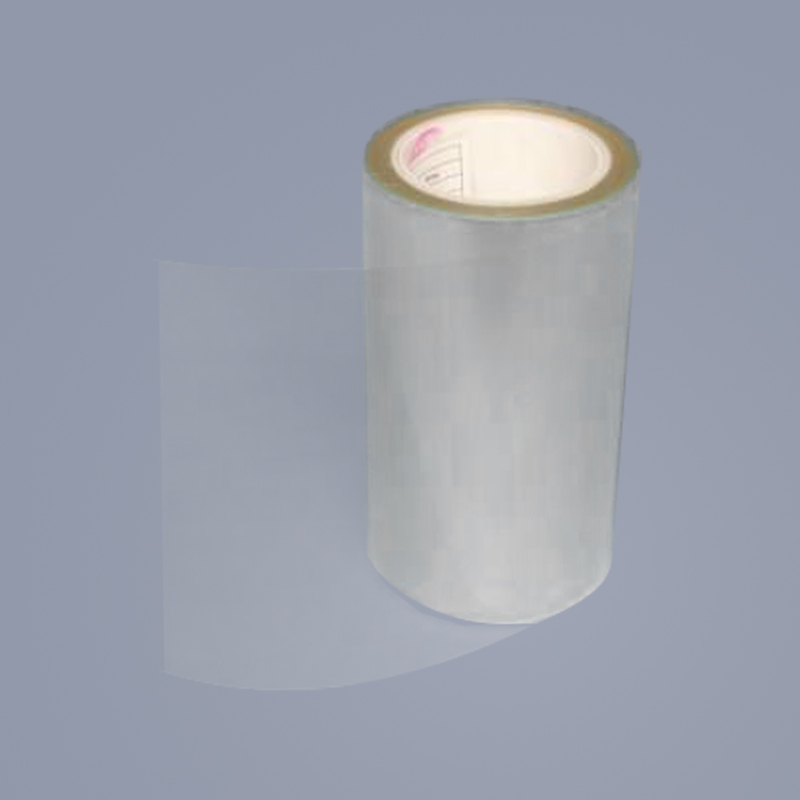
- Translucency: The semi-transparent base is useful where content visibility through the liner is required — such as pharmacy dispensing pouches or security label constructions where the label face must be inspected before application.
Applications Across Industries
The combination of surface quality and structural performance makes Gracin release paper one of the most broadly deployed liner substrates across multiple sectors:
| Industry | Typical Application | Critical Liner Requirement |
|---|---|---|
| Label & Packaging | High-speed automatic labeling, barcode labels, logistics | Consistent release force, narrow caliper tolerance |
| Medical | Wound dressings, transdermal patches, ECG electrodes | Low silicone migration, sterilization compatibility |
| Hygiene | Diaper frontal tapes, feminine hygiene products | Softness, clean peel, high-volume throughput |
| Electronics | Die-cut foam gaskets, anti-static labels, component tapes | Precision die-cutting, dimensional stability |
| Composites & Industrial | Pre-preg layup, casting films, roofing membranes | High temperature resistance, non-contaminating surface |
The medical segment in particular places the strictest demands on release liners. Silicone migration into an adhesive that will contact skin or a wound site is not simply a quality issue — it is a regulatory one. Gracin release papers used in these applications are typically formulated with platinum-catalyzed systems that achieve very low extractable silicone levels, and they are selected only after validated adhesive compatibility testing.
Selecting the Right Grade: Key Specification Parameters
Not all Gracin release papers are interchangeable. Buyers and product engineers typically specify along these axes:
- Basis weight: Typically 30–120 gsm. Lighter grades (30–50 gsm) are used in high-volume label applications where web tension must be minimized; heavier grades provide rigidity for thicker laminates or manual application contexts.
- Coating side(s): Single-sided for most label and tape applications; double-sided differentiated release for transfer tapes and interleaved products.
- Release level: Specified as a target peel force value and tested against the actual PSA system that will be used — not a generic adhesive.
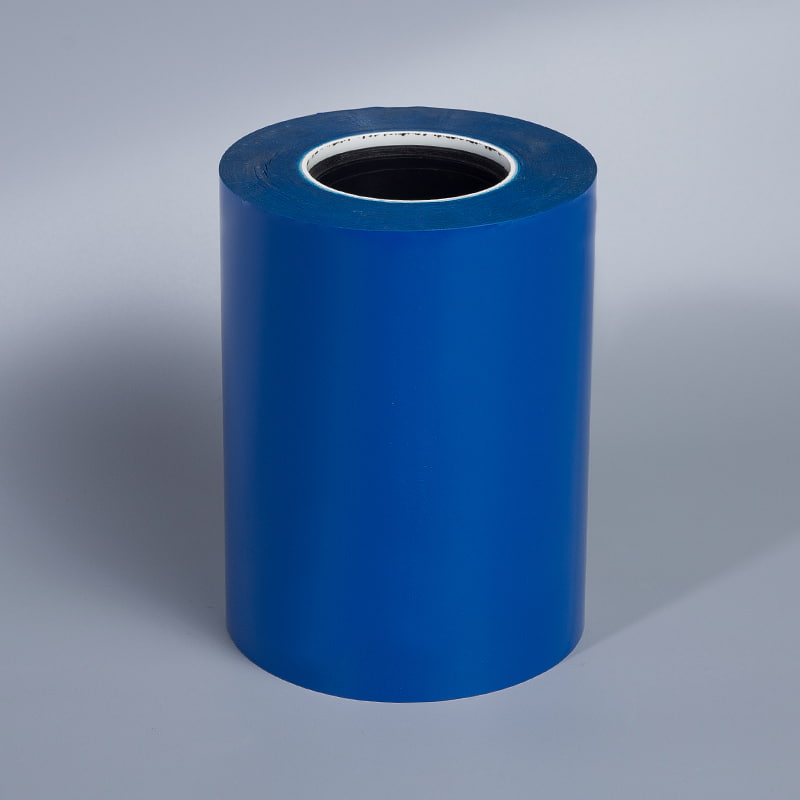
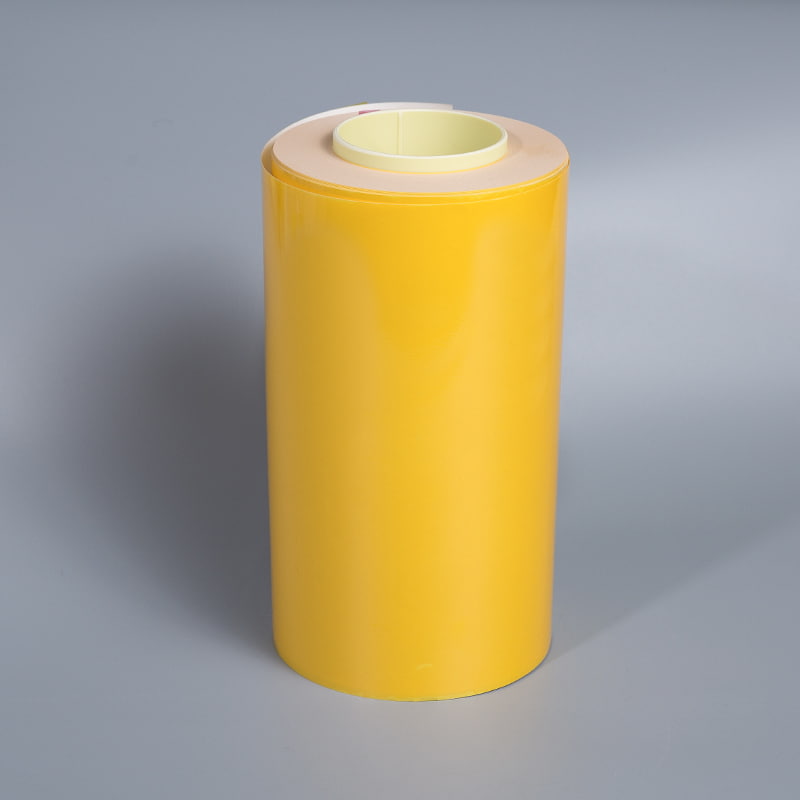
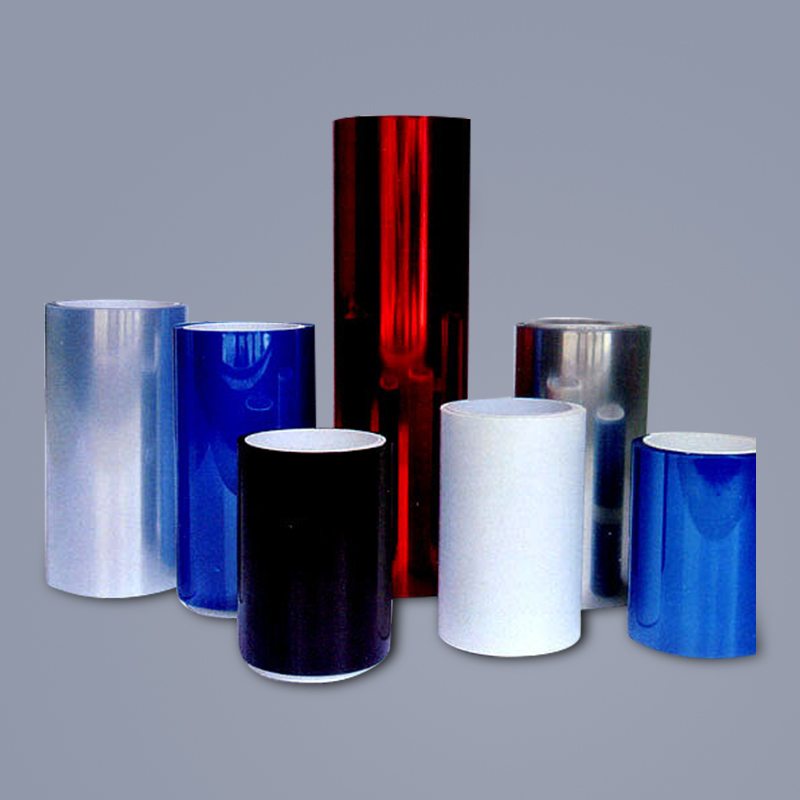
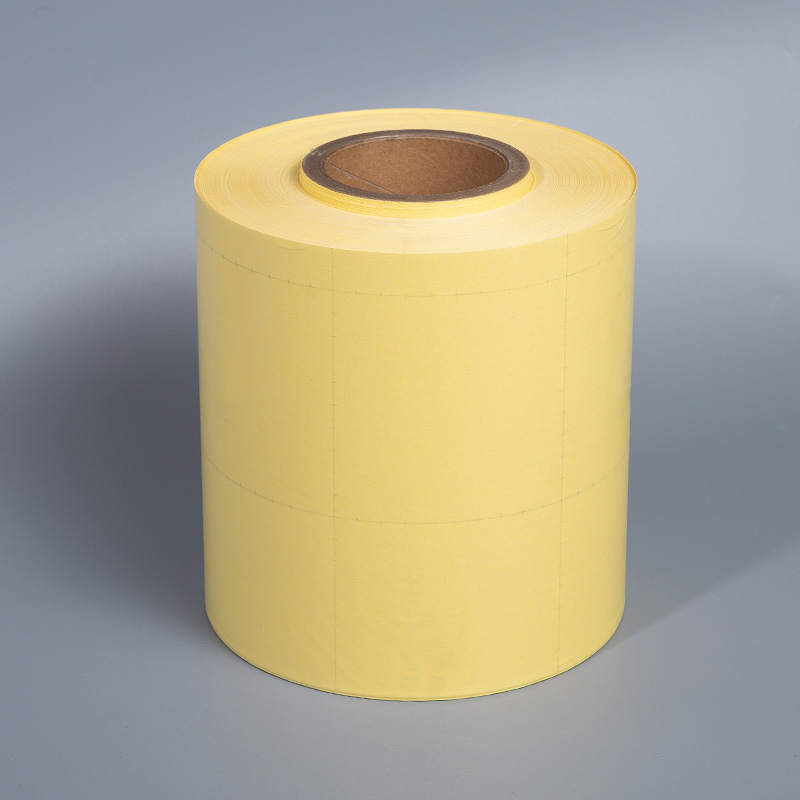
- Color: White, blue, and yellow are the standard options. Color coding is commonly used in multi-ply medical constructions to prevent incorrect peel sequence errors during application.
- Printability: Some grades are manufactured with a printable reverse side to enable lot coding, product information, or branding directly on the liner back.
A common specification error is selecting liner basis weight based on cost alone. A liner that is too light for the laminate construction will cause caliper variation in die-cutting operations, resulting in either incomplete cuts or liner penetration — both of which generate expensive waste and downtime.
Sustainability Considerations and Recyclability Challenges
Gracin release paper sits at an uncomfortable intersection in the sustainability discussion. The glassine base is a paper product and, in principle, recyclable. However, the cured silicone coating creates a significant barrier to repulping. During standard recycling processes, the PDMS (polydimethylsiloxane) silicone does not dissolve and instead fragments into fine particles that contaminate recycled pulp, degrading the quality of the output paper and causing problems in printing operations. As a result, most recyclers exclude silicone-coated liners from their accepted feedstocks.
Several technology pathways are being developed to address this. One approach involves applying a water-soluble sacrificial layer between the base paper and the silicone, which dissolves during repulping and allows the silicone sheet to separate cleanly from the fiber. Research institutions have demonstrated this using materials such as polyvinyl alcohol and sodium alginate blends. Another approach focuses on alternative release chemistries — fluoropolymer and non-silicone organic coatings that can be processed through standard repulping — though these often carry trade-offs in release consistency or temperature performance. Liner-specific collection and specialty recycling programs represent the most viable near-term route to divert Gracin liner waste from landfill at scale.
From a procurement standpoint, buyers increasingly request certification that the base paper is sourced from sustainably managed forests (FSC or PEFC certification), and some manufacturers are incorporating recycled fiber content into the glassine base to the extent that it does not compromise surface quality for silicone adhesion.