 En
En  中文简体
中文简体 西班牙语
西班牙语

Article Directory
- 1 What Is PET Release Film?
- 2 Construction and Silicone Coating Technology
- 3 Key Applications of PET Release Film Across Industries
- 4 PET Release Printed Films: What They Are and How They Differ
- 5 Functional Printing on Release Films: Beyond Branding
- 6 Specification and Selection Criteria for PET Release Film and PET Release Printed Films
What Is PET Release Film?
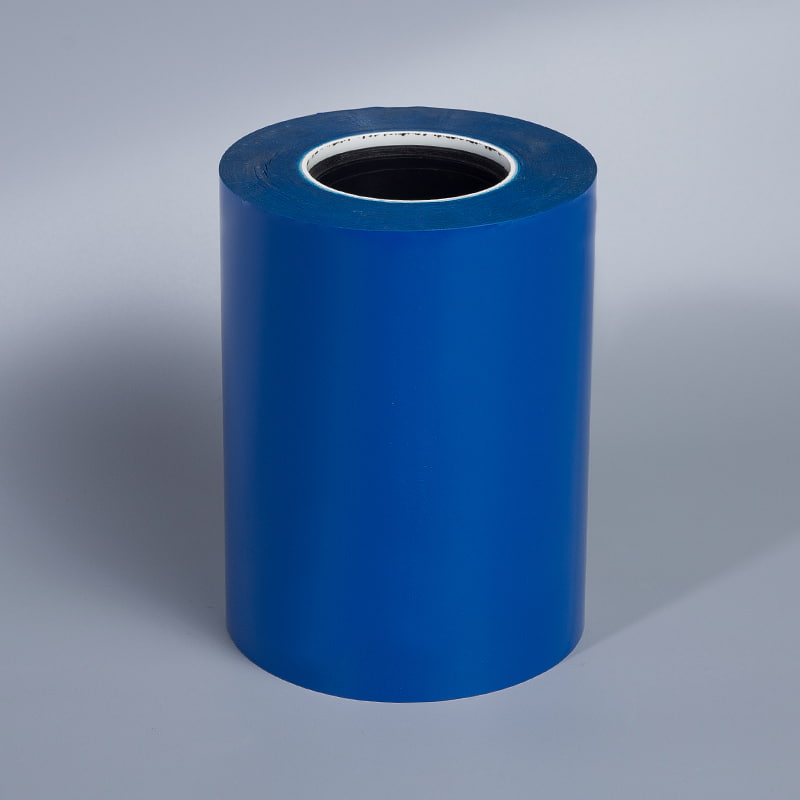
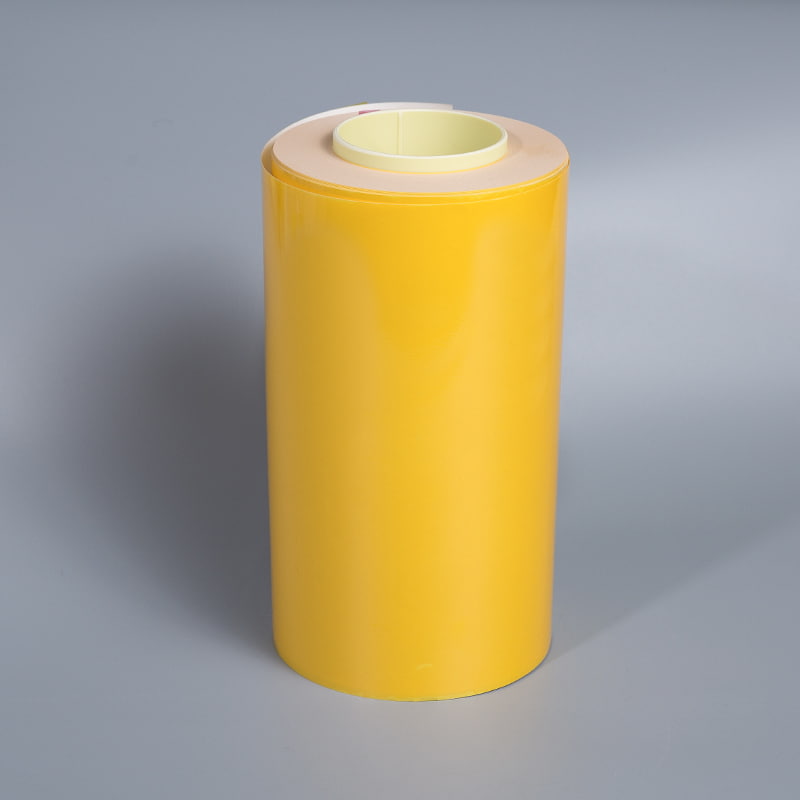
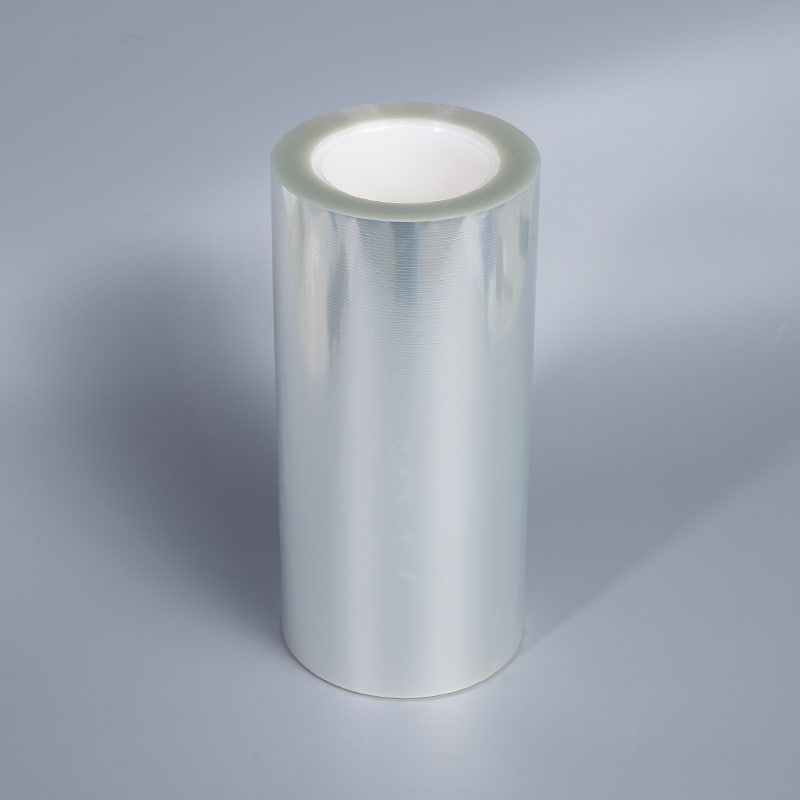
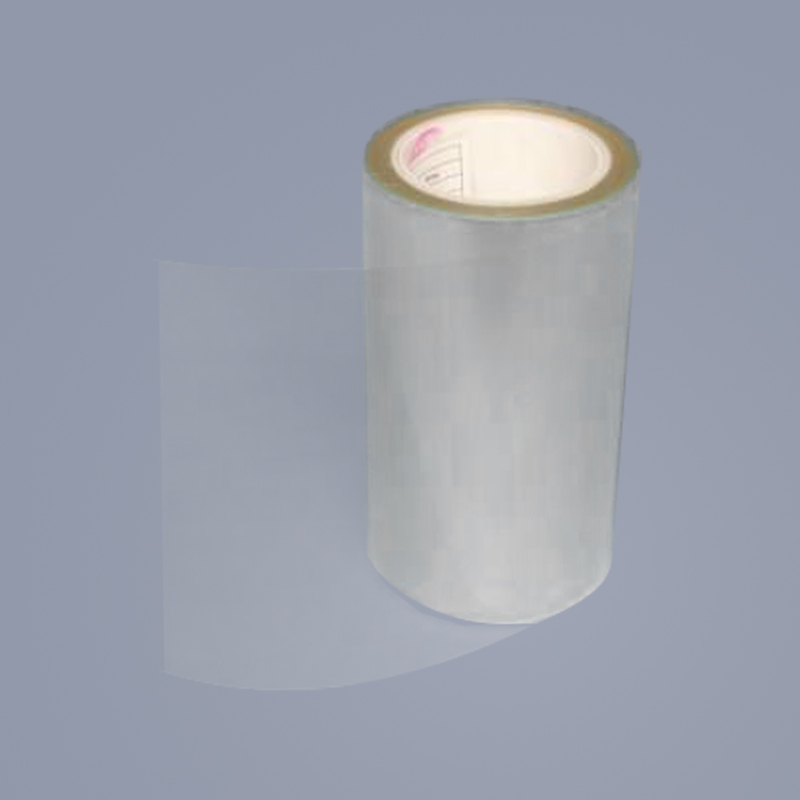
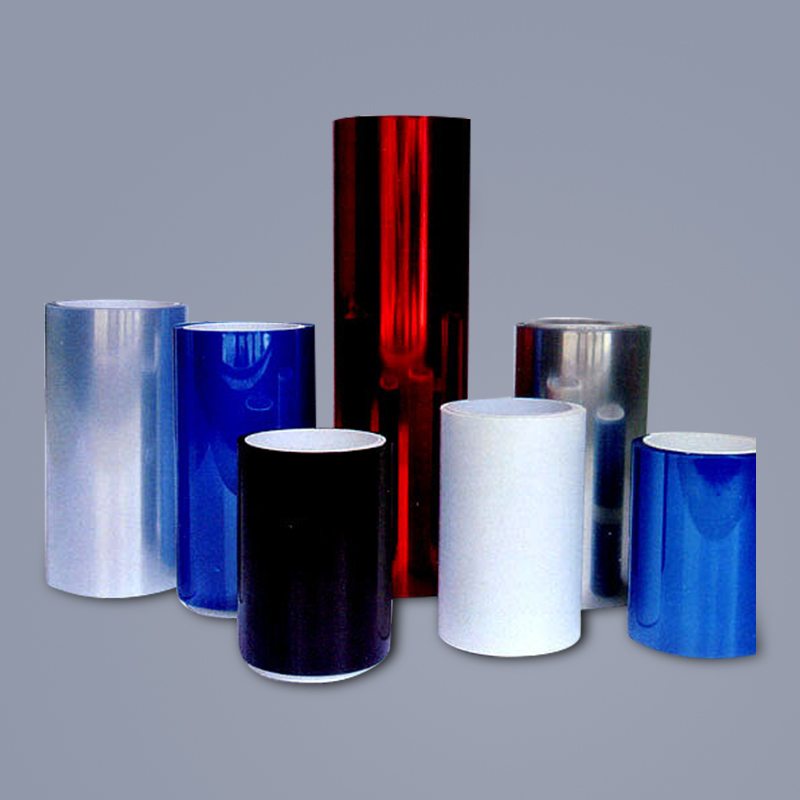
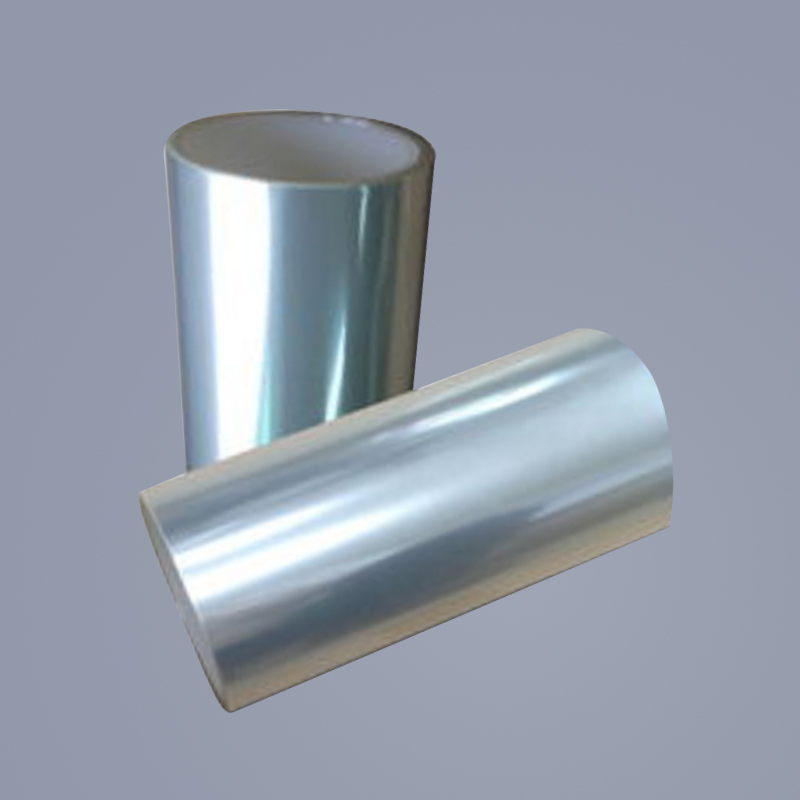
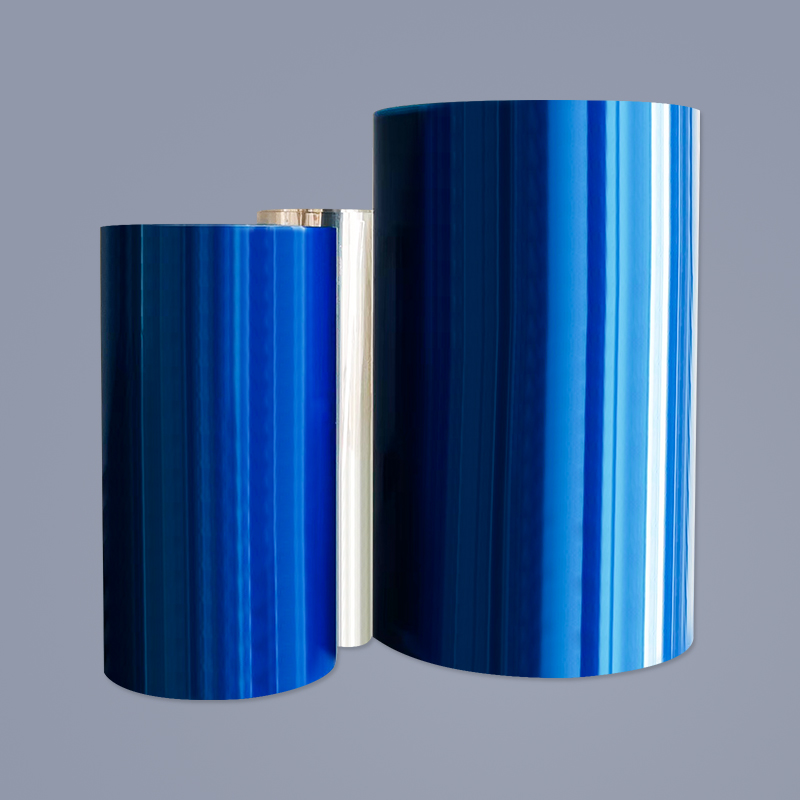
PET release film is a polyethylene terephthalate (PET) base film that has been coated on one or both surfaces with a release agent — most commonly a silicone-based chemistry — to produce a controlled, non-adhesive surface capable of cleanly separating from pressure-sensitive adhesives, resins, coatings, and other tacky substrates. The PET substrate provides the dimensional stability, tensile strength, thermal resistance, and optical clarity that release papers and polyolefin release films cannot match, making PET release film the preferred carrier in applications where precision, consistency, and process reliability are non-negotiable.
The release function is governed by the silicone coating's surface energy, which is engineered to be significantly lower than that of the adhesive or resin it contacts. Typical release-coated PET surfaces have a surface energy of 20–24 mN/m, compared to 35–45 mN/m for untreated PET and 30–50 mN/m for the pressure-sensitive adhesives they protect. This energy differential is the physical basis for the peel behavior: the adhesive preferentially bonds to its intended substrate rather than the release film surface, allowing clean separation with defined, reproducible peel force.
PET release films are distinguished from paper-based release liners by their superior dimensional stability under humidity and temperature variation, their transparency (enabling optical inspection through the liner), their higher tensile strength and puncture resistance, and their suitability for precision die-cutting and automated dispensing applications. They are also recyclable within PET waste streams, an increasingly relevant factor as packaging and industrial supply chains face extended producer responsibility (EPR) regulations in the EU, UK, and progressively in North American and Asian markets.
Construction and Silicone Coating Technology
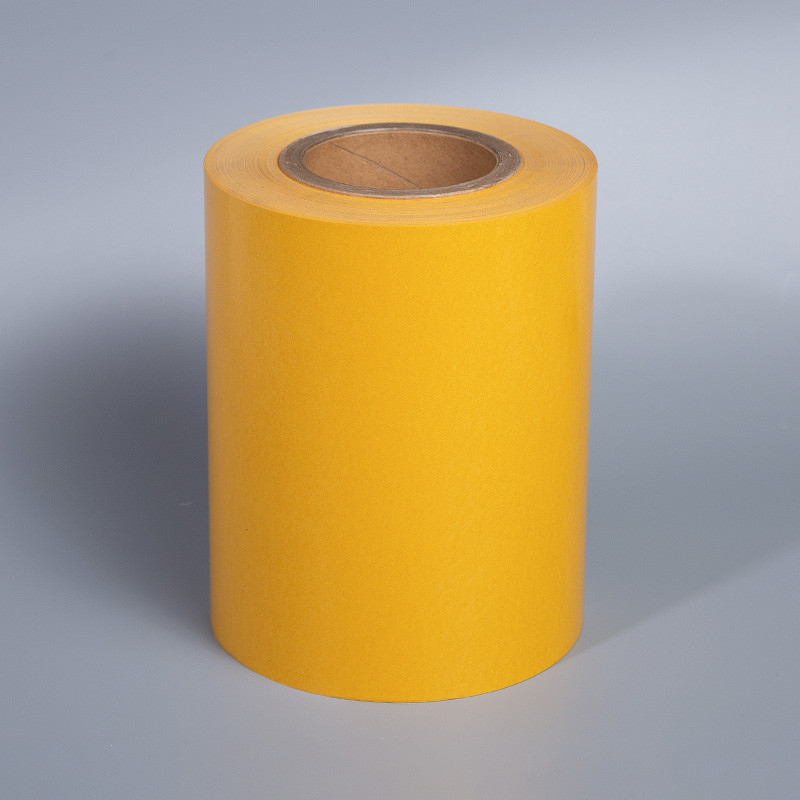
The performance of a PET release film is determined as much by the silicone coating system as by the PET substrate itself. Understanding the construction at each layer is essential for specification and troubleshooting.
PET Base Film
The PET substrate used in release film applications is biaxially oriented PET (BOPET), produced by stretching extruded PET film in both machine direction (MD) and transverse direction (TD) during manufacture. Biaxial orientation improves tensile strength (typically 150–200 MPa MD, 200–250 MPa TD), reduces elongation at break to controlled levels (70–130%), and produces the dimensional stability critical for precision coating and converting operations. Standard thicknesses for release film applications range from 25 µm to 250 µm, with 36 µm, 50 µm, 75 µm, and 100 µm being the most widely stocked commercial grades. Thinner films (25–50 µm) are used in label and tape liner applications where conformability and roll economy matter; thicker films (100–250 µm) are used in composite manufacturing, graphic arts, and structural adhesive applications where rigidity and dimensional precision are required.
Silicone Coating Systems
Four primary silicone coating chemistries are used in commercial PET release film production, each with distinct performance characteristics:
- Solvent-based silicone: Applied from organic solvent carrier, offering excellent coating uniformity and penetration into surface micro-texture. High equipment and regulatory compliance cost due to solvent handling requirements. Produces the most consistent release force profiles and is preferred for demanding technical applications including aerospace composite release and medical device component production.
- Solventless (100% silicone) systems: Applied as 100% active silicone with no carrier, cured by thermal or UV-catalyzed addition reaction. Eliminates solvent emissions entirely and reduces coating cost, making this the dominant system in high-volume label liner and tape liner production. Coat weights of 0.5–2.5 g/m² are standard; very thin coat weights require precise metering to avoid bare spots.
- Emulsion silicone: Water-based silicone dispersion, used where solvent and solventless systems are unsuitable. Lower coating speed capability and higher drying energy requirement than solventless systems; used primarily on heat-sensitive substrates and in manufacturing environments with water-based coating infrastructure.
- UV-curable silicone: Cured instantaneously by ultraviolet exposure rather than thermal oven drying, enabling very high coating line speeds (200–600 m/min) and compatibility with heat-sensitive substrates. Increasingly adopted in high-speed label liner and flexible electronics release liner production.
Release Force Engineering
Release force — the peel force required to separate the release film from its adhesive — is the primary functional specification and is engineered by adjusting silicone formulation, coat weight, and cure conditions. Commercial PET release films are classified into release force tiers: ultra-light release (2–5 cN/cm) for delicate adhesive labels and films requiring effortless dispensing; light release (5–15 cN/cm) for standard pressure-sensitive labels and tapes; medium release (15–50 cN/cm) for structural adhesive films and double-coated tapes; and tight release (50–200+ cN/cm) used as the "heavy" liner in differential release double-liner constructions, where two release films with deliberately mismatched release forces allow controlled sequential peel-off.
Key Applications of PET Release Film Across Industries
PET release film serves as a functional component — not merely packaging — in a broad range of manufacturing and converting processes. Its role in each application demands specific performance criteria that drive specification decisions:
| Industry | Application | Critical Specification |
|---|---|---|
| Labels and tapes | Liner for pressure-sensitive label rolls and tape constructions | Consistent release force; die-cut compatibility; antistatic (for high-speed dispensing) |
| Electronics | Carrier film for adhesive transfer tapes, coverlay films, and flexible circuit lamination | Low silicone migration; dimensional stability at lamination temperatures; ionic cleanliness |
| Composites and aerospace | Interleaf and process release film for prepreg layup and autoclave cure | High temperature resistance (up to 200°C); zero silicone transfer; consistent surface texture |
| Medical devices | Liner for wound dressings, transdermal drug delivery patches, and medical tapes | Biocompatibility; FDA/USP Class VI material compliance; low extractables |
| Graphic arts and signage | Carrier for cast vinyl films, window films, and vehicle wrap adhesives | Optical clarity; flatness; resistance to deformation during wide-format printing |
| Hygiene and personal care | Release liner for sanitary napkins, diapers, and medical dressing attachment systems | Soft peel; no noise on removal; skin-safe silicone system |
PET Release Printed Films: What They Are and How They Differ
PET release printed films are PET release films that carry printed content — branding, sequential numbering, batch codes, warning text, decorative patterns, or functional markings — on either the non-release face of the PET substrate or, in specialized constructions, between the PET base and the release coating. Printing transforms the release film from a purely functional process component into a finished product with commercial identity, traceability, or aesthetic value, without compromising the release performance of the silicone-coated surface.
The market for PET release printed films has expanded significantly with the growth of premium label constructions, branded hygiene product liners, tamper-evident release systems, and smart packaging applications where the liner itself carries consumer-facing information or anti-counterfeiting features. In many premium label and medical device applications, the release liner is no longer considered waste material — it is a deliberate brand communication surface that reaches the end user at the point of product application.
Printing Sequence and Substrate Considerations
The sequence in which printing and silicone coating are applied to the PET substrate is a critical manufacturing decision with direct implications for print quality, ink adhesion, and release performance:
- Print-then-coat (most common): Ink is applied to the PET base film first, then the silicone release coating is applied over the back surface (opposite side). This is the standard approach for back-printed release liners where the print is visible through the transparent PET when the liner is viewed from the release side. Ink must be fully cured before silicone coating to prevent solvent or monomer migration into the release layer.
- Coat-then-print: Silicone release coating is applied first; printing is then applied to the non-silicone face. Used when the printing process requires a substrate surface energy that would be compromised by corona or flame pre-treatment after silicone coating. Requires careful ink system selection to ensure adhesion to the uncoated PET back surface without surface energy pre-treatment on that face.
- Sandwich print construction: Ink is printed between two layers — typically between a primer coat and a topcoat on the non-release face — providing maximum abrasion resistance and chemical resistance for liners that will be handled repeatedly or exposed to moisture during use.
Printing Methods Used on PET Release Films
The choice of printing method for PET release printed films depends on run length, required image resolution, color gamut, and compatibility with downstream silicone coating processes:
- Gravure printing: The dominant method for high-volume PET release printed film production. Gravure delivers consistent ink film weight, excellent color repeatability across multi-million-meter runs, and high line speeds (up to 400 m/min). Cylinder engraving costs make gravure economical only above approximately 50,000–100,000 linear meters per design; below this threshold, the cylinder investment cannot be amortized.
- Flexographic printing: Lower tooling cost than gravure (photopolymer plate cost versus engraved cylinder), suitable for medium-to-high volume runs of 10,000–500,000+ meters. Modern HD flexo delivers near-gravure quality for process color work. Water-based and UV-curable flexo inks are compatible with downstream silicone coating without the solvent contamination risk associated with solvent-based systems.
- Digital inkjet printing: No tooling cost; ideal for short runs, variable data (sequential numbering, QR codes, batch traceability), and versioned artwork requiring frequent design changes. Resolution of 600–1,200 DPI is standard on industrial web-fed inkjet systems. Print speeds of 50–150 m/min are significantly lower than gravure or flexo, but for runs under 5,000 meters, digital unit economics typically outperform plate or cylinder-based methods.
- Screen printing: Used for specialized PET release printed films requiring very high ink opacity — particularly white and metallic inks on transparent PET where single-pass gravure or flexo cannot achieve sufficient hiding power. Slower process; used for specialty and security-print applications rather than high-volume commodity liner printing.
Functional Printing on Release Films: Beyond Branding
Beyond decorative and identification printing, PET release printed films increasingly carry functional print layers that add measurable value to the end-use application. These functional printing applications are among the fastest-growing segments in the specialty release film market:
- Registration and alignment marks: Printed crosshairs, edge marks, or die-cut registration targets enable automated label dispensing equipment and die-cutting machines to align cutting tools precisely to the liner, eliminating registration error in high-speed converting operations. Printed registration marks on release liners reduce label waste by 8–15% in automated application systems by eliminating miscut rejects.
- Anti-counterfeiting and security features: Fluorescent inks, thermochromic inks, and micro-text printing on release liners for pharmaceutical, luxury goods, and official document applications create verifiable authentication features on the liner itself. In pharmaceutical patch applications, the liner's printed security features are inspected during dispensing to confirm product authenticity before patient use.
- Instructions and regulatory compliance text: Medical device release liners for wound dressings, surgical drapes, and transdermal patches frequently carry printed application instructions, lot numbers, expiry dates, and regulatory symbols (CE, FDA, ISO) directly on the liner surface, eliminating the need for a separate printed instruction leaflet and reducing packaging material cost.
- Conductive and functional ink printing: Emerging applications include printed conductive traces on PET release films for use as temporary carrier substrates in flexible electronics manufacturing, where the conductive pattern is transferred from the release film to a receiving substrate during lamination. The release film is then peeled away, leaving the transferred functional layer on the product substrate.
Specification and Selection Criteria for PET Release Film and PET Release Printed Films
Selecting the correct PET release film — whether plain or printed — requires systematic evaluation of substrate, coating, and converting requirements. The following parameters form the core specification framework used by technical procurement teams and converting engineers:
Substrate Thickness and Mechanical Properties
Thickness selection is driven by the stiffness required for the converting process. Die-cutting and automated label dispensing favor 50–75 µm films that provide sufficient column stiffness for dispensing without jamming, while remaining flexible enough to conform to curved application surfaces. Composite process release and structural adhesive applications typically specify 100–125 µm to provide the rigidity needed for flat, wrinkle-free lay-up. Films thinner than 36 µm are reserved for roll-to-roll processes where handling stiffness is provided by the tension of the converting machine rather than the film's own bending stiffness.
Release Force Level and Consistency
Specify release force in cN/cm (or g/cm) measured at the peel angle and speed that represents your process conditions — typically 180° peel at 300 mm/min for label dispensing, or 90° peel at slower speeds for manual application. Release force consistency across the roll width (cross-direction uniformity) and across the roll length (run-to-run repeatability) are as important as the mean release value — inconsistent release force is the primary cause of adhesive delamination, label flagging, and peel-force-induced distortion in precision die-cutting.
Silicone Migration and Anchorage
Silicone migration from the release film onto the adhesive surface causes adhesion failure and surface contamination in downstream processes including printing, coating, and bonding. For electronics and medical applications, specify maximum silicone extractables limits (measured by XRF or extraction-GC-MS) and require supplier certification of full silicone cure (confirmed by MEK rub test or FTIR analysis). Migration-free performance is non-negotiable in applications where the adhesive surface will subsequently receive ink, paint, or secondary bonding.
Temperature Resistance
Standard BOPET films maintain dimensional stability up to approximately 150°C continuous service temperature. For autoclave composite processing (typically 120–180°C), high-temperature silicone systems and thermally stabilized PET grades are required. Specify temperature resistance as a continuous service temperature, not a short-term peak, and require supplier data showing release force retention and dimensional change after thermal aging at the specified process temperature.
Print Registration Tolerance for PET Release Printed Films
For printed release films used in precision die-cutting or automated dispensing, print-to-edge registration tolerance must be specified as a maximum allowable deviation in both MD and TD directions. Gravure-printed films typically hold ±0.5 mm registration across standard roll widths; flexo ±0.8–1.2 mm; digital inkjet ±0.3 mm (superior for variable-data short runs). Confirm that the ink system used is compatible with the adhesive chemistry the liner will contact — certain ink components can transfer to adhesive surfaces and cause delayed tack loss or yellowing in UV-exposed applications.