 En
En  中文简体
中文简体 西班牙语
西班牙语

Article Directory
- 1 How Much Does PPF Cost? A Real-World Price Breakdown
- 2 PPF Gloss vs Matte: Which Finish Is Right for Your Car?
- 3 PPF Wrap vs Ceramic Coating: Different Tools, Different Jobs
- 4 Does PPF Protect Against Rock Chips?
- 5 PPF for the Windshield: Is Windshield Film Worth It?
- 6 STEK Color PPF and Premium Film Options
How Much Does PPF Cost? A Real-World Price Breakdown
PPF film cost typically ranges from $500 to $7,000+ depending on coverage area, film brand, and installer. Partial front-end installations — covering the hood, front bumper, and mirrors — generally run $500–$1,500. A full-vehicle wrap using premium film can reach $5,000–$8,000 at a professional shop.
Here is how PPF wrap cost typically breaks down by coverage zone:
| Coverage Zone | Typical PPF Wrap Price | What It Covers |
|---|---|---|
| Partial Front | $500–$1,000 | Hood (partial), bumper, mirrors |
| Full Front End | $1,000–$2,500 | Full hood, full bumper, fenders, mirrors, headlights |
| Track Pack / High-Impact | $2,000–$3,500 | Full front + rocker panels + A-pillars |
| Full Vehicle Wrap | $4,500–$8,000+ | Every exterior painted surface |
| Windshield Only | $300–$800 | Full windshield PPF film |
Labor accounts for a significant portion of the cost for PPF on cars — film cutting, panel prep, and installation typically take 8–40+ hours depending on vehicle size and complexity. Exotic cars, trucks with large flat hoods, and vehicles with deep contours all add time and cost.
Film brand matters. Entry-level films from lesser-known brands may cost 30–40% less than premium options, but they sacrifice self-healing performance, warranty length, and optical clarity. Most reputable installers work with films from STEK, XPEL, 3M, Llumar, or Avery Dennison.
PPF Gloss vs Matte: Which Finish Is Right for Your Car?
High quality PPF film comes in two primary finishes — gloss and matte — and the choice is more than cosmetic. Each behaves differently, requires different care, and suits different vehicle aesthetics.
Gloss PPF
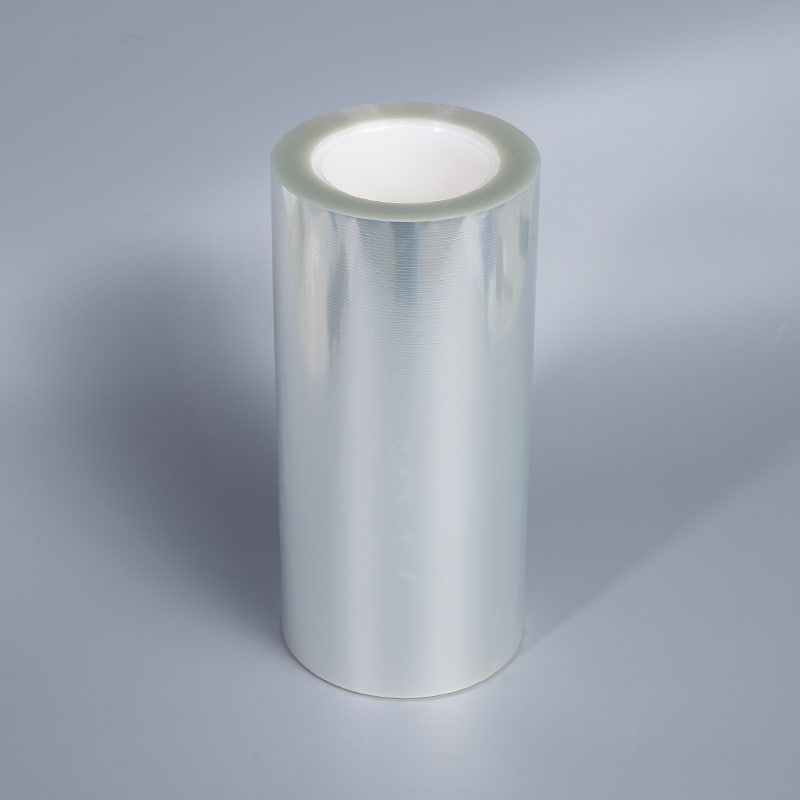
Gloss clear PPF is designed to be essentially invisible. It enhances the depth and shine of the factory paint beneath it, making it the default choice for owners who want protection without altering the vehicle's appearance. Self-healing gloss films — which use elastomeric polymers that "flow" at moderate temperatures to erase light swirl marks — are now standard on premium-grade products.
- Suits any paint color
- Easier to source and install
- Self-healing capability typically best in gloss formulations
- Compatible with a top coat of ceramic coating
Matte Clear PPF
Matte clear PPF uses a textured top coat that diffuses light to create a satin or flat finish. It serves two purposes: it can convert a gloss paint car to a matte appearance without a wrap, or it can preserve an OEM matte or satin factory finish that would otherwise be nearly impossible to repair if scratched. The before and after matte PPF transformation is dramatic — a glossy vehicle takes on a subdued, factory-satin look without any repainting.
- Converts gloss paint to a matte or satin finish
- Essential for protecting OEM matte finishes (otherwise nearly unserviceable)
- Slightly higher per-square-foot cost than gloss
- Requires matte-safe care products — no wax or standard sealants
Both finishes offer the same underlying rock chip and abrasion resistance. The choice should be driven by the existing paint type and the aesthetic outcome the owner wants.

PPF Wrap vs Ceramic Coating: Different Tools, Different Jobs
The ceramic coat or PPF debate comes up constantly — but framing it as an either/or question misses the point. These two products protect paint through completely different mechanisms and are most effective when combined.
PPF is a physical barrier. It absorbs impact from road debris, gravel, and minor abrasions. A 6–8 mil thick urethane film can stop a stone chip that would leave a permanent mark in bare paint. Ceramic coatings cannot do this — they are nanoscale hard coatings (typically 1–5 microns thick) that repel contaminants and UV but provide no meaningful impact protection.
Ceramic coating excels at surface contamination resistance. Its hydrophobic properties make water bead aggressively, reduce bird dropping and tar adhesion, and make washing faster. It also adds chemical resistance and UV blocking that standard PPF alone does not match.
Here is a side-by-side breakdown of ceramic coatings vs PPF:
| Property | PPF | Ceramic Coating |
|---|---|---|
| Rock chip / impact protection | Excellent | None |
| Hydrophobic / easy cleaning | Moderate | Excellent |
| Self-healing swirl marks | (premium films) | No |
| UV protection | Moderate | Good |
| Durability | 5–12 years (film) | 2–7 years (coating grade) |
| Typical installed cost | $500–$8,000+ | $500–$2,500 |
| Removal / replacement | Peelable film | Polish/abrasive only |
The optimal solution for most enthusiasts is PPF underneath, ceramic coating on top. The film handles impact; the coating handles contamination and adds gloss depth. Many installers offer combined packages where a ceramic layer is applied over the completed PPF install.
Does PPF Protect Against Rock Chips?
Yes — rock chip protection is the primary reason PPF exists. Automotive paint protection film was originally developed by the U.S. military to protect helicopter rotor blades and vehicle surfaces from high-velocity debris. Modern consumer PPF applies the same principle to painted surfaces.
A quality PPF film — typically 6 to 8 mils thick — absorbs and disperses the energy from gravel strikes, road debris, and minor abrasions that would otherwise crack or chip the clear coat and underlying paint. The film deforms on impact and, in self-healing formulations, returns to its original surface profile when warmed (by sunlight or warm water). This makes PPF far more effective than any spray-applied coating for high-speed highway driving or vehicles regularly exposed to construction zones and loose gravel roads.
Coverage placement matters as much as film quality. The front bumper, leading edge of the hood, A-pillars, mirror faces, and rocker panels absorb the majority of high-velocity impacts on most vehicles. A partial front-end installation targeting these zones provides most of the chip-protection benefit at a fraction of the cost of a full-body wrap.
PPF for the Windshield: Is Windshield Film Worth It?
PPF windshield film is a growing segment of the market, though it differs meaningfully from paint-surface PPF. Films designed for windshields must be optically clear under all lighting conditions — no distortion, no rainbow effect, no visual interference with driver visibility.
A dedicated PPF film windshield installation typically costs $300–$800 for a standard sedan windshield, with larger panoramic glass or exotic vehicles running higher. The film reduces the risk of stone chip cracks propagating, softens the impact of road debris, and can reduce windshield replacement frequency — particularly valuable for vehicles with expensive integrated ADAS camera systems embedded in the glass.
Key considerations for windshield PPF:
- Optical clarity is non-negotiable — only use film specifically rated for windshield use; standard body PPF is not appropriate here
- Most windshield films do not have self-healing properties due to the harder optical coating required
- Installation quality matters significantly — bubbles or edges in the driver's sightline are unacceptable
- Some films offer light IR or UV filtering as a secondary benefit
For vehicles where windshield replacement involves recalibrating cameras or sensors — which can add $500–$1,500+ to a replacement job — windshield PPF often has a straightforward economic justification beyond just chip prevention.
STEK Color PPF and Premium Film Options
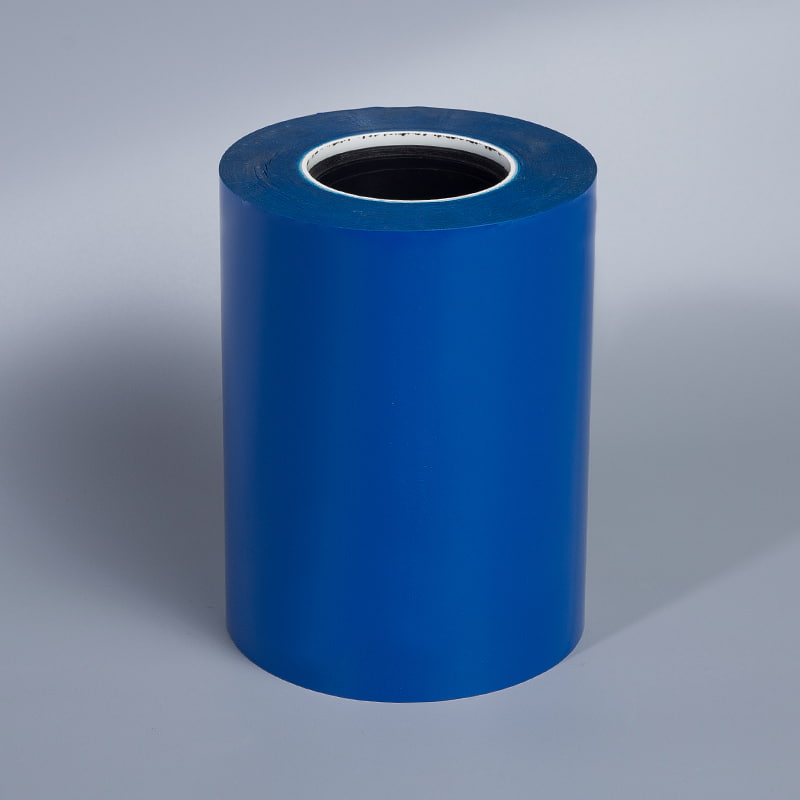
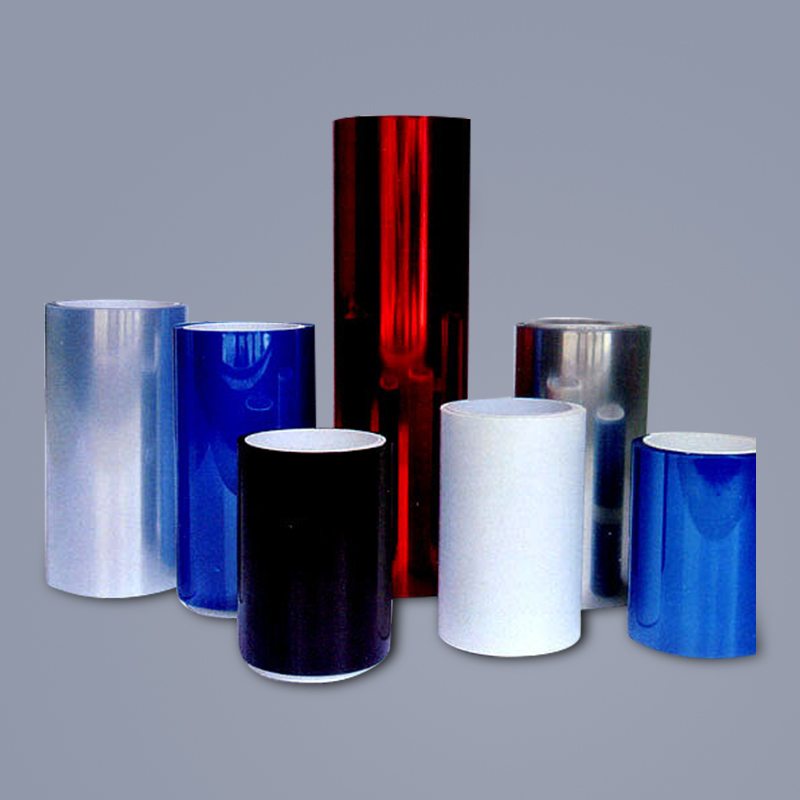
Beyond standard clear gloss and matte films, the market for color PPF has expanded significantly. STEK color PPF — part of the brand's DYNOshield and DYNOvivid product lines — offers pre-tinted films in a wide range of colors that provide paint protection while simultaneously changing the vehicle's appearance. This is the key advantage color PPF holds over traditional vinyl wraps: it protects the original paint while delivering the color-change result.
Color PPF typically costs more than standard clear film — $1,500–$10,000+ for full vehicle coverage depending on the color, finish complexity, and vehicle size — because the film itself is more expensive and pattern-fitting colored film requires greater installer precision. However, it eliminates the need for separate paint protection under a vinyl wrap, reducing long-term cost for owners who want both a color change and genuine chip protection.
XPEL and Avery Dennison also offer color protection film options. When evaluating high quality PPF film in any color or finish, look for:
- Minimum 6-mil film thickness for impact resistance
- Self-healing topcoat
- 10-year manufacturer warranty
- Color consistency across panels (especially critical for large flat surfaces)
- Installer certification from the film brand