 En
En  中文简体
中文简体 西班牙语
西班牙语

Article Directory
- 1 What Is PPF and Why Serious Car Owners Use It
- 2 How Much Does It Cost to PPF a Car? Full Pricing Guide
- 3
- 4 PPF for Windshield: Does It Work and Is It Worth It?
- 5 Clear Gloss PPF vs. Matte Finish PPF vs. Colored PPF: Which Surface Is Right?
- 6 What Is the Best PPF Film? Top Brands Compared
- 7 Ceramic Coating on Top of PPF: Why It's Done and How to Do It Right
What Is PPF and Why Serious Car Owners Use It
Paint protection film (PPF) is a thick, optically clear or tinted thermoplastic urethane film applied to a vehicle's painted surfaces to absorb and deflect the mechanical damage that paint cannot survive on its own — rock chips, road debris impact, light scratches, insect acid etching, and UV-driven paint oxidation. Unlike vinyl wraps, which are primarily decorative, PPF is an engineering product: its core function is energy absorption and self-healing, achieved through a polyurethane top coat that returns to its original surface state after minor abrasion when exposed to heat.
Modern premium PPF is a multi-layer composite: a urethane base layer (typically 6–8 mils thick) that carries the film's impact resistance and conformability; a clear coat layer with self-healing properties activated at 60–70°C (which solar exposure achieves on most days in temperate and warm climates); and a release liner removed during installation. High-end films add an additional top coat treatment — either gloss-enhancing or designed to accept and retain ceramic coating — that defines the film's surface durability and appearance over time.
The global automotive paint protection film market was valued at approximately $490 million USD in 2023 and is projected to grow at 5.8% CAGR through 2030, driven by the increasing penetration of PPF from the luxury and exotic segment into mainstream premium vehicles as installation costs decline and film quality improves.
How Much Does It Cost to PPF a Car? Full Pricing Guide
PPF pricing varies significantly based on coverage zone, vehicle size and complexity, film brand tier, and the installer's market. The figures below represent mid-to-high-quality professional installation in the United States; UK and European pricing is broadly comparable in GBP/EUR. Budget installers using entry-level film can undercut these figures by 30–50%, but the difference in film quality, cut precision, and edge work is typically visible within 12–18 months.
Partial Front PPF Cost
Partial front coverage — the most commonly purchased PPF package — protects the highest-impact surfaces while keeping cost manageable. Standard packages within this category:
- Front bumper only: $350–$600
- Partial hood (leading 12–18 inches) + front bumper: $600–$900
- Full front package (full hood, full bumper, front fenders, mirrors, A-pillars): $1,200–$2,500 depending on vehicle size and complexity
- Full front + rocker panels: $1,800–$3,200
Full Car PPF Cost
Full car PPF covers every painted panel on the vehicle — hood, roof, trunk, all doors, fenders, bumpers, pillars, mirrors, door jambs, and rocker panels. It is the only coverage level that fully protects the vehicle from all angles of road debris and door ding risk. Full car PPF costs vary considerably by vehicle:
- Compact/sedan (Honda Civic, Toyota Corolla equivalent): $3,500–$5,500
- Mid-size SUV/crossover (BMW X5, Audi Q7 equivalent): $5,000–$8,000
- Full-size truck (Ford F-150, Ram 1500): $5,500–$9,000
- Performance/sports car (Porsche 911, BMW M4, Ferrari): $7,000–$14,000+
- Exotic/hypercar (Lamborghini, McLaren, Bugatti): $12,000–$25,000+ depending on complexity and film choice
The cost drivers beyond vehicle size are: complex body lines that require significant hand cutting and manipulation (adds labor time); recessed or wrapped edges that require film to be tucked rather than trimmed at a visible line (adds material and labor); and colored or matte PPF, which typically commands a 20–40% premium over standard clear gloss film of equivalent quality.
| Coverage Zone | Typical Cost Range (USD) | Best For |
|---|---|---|
| Front bumper only | $350–$600 | Budget-conscious, daily driver |
| Partial front package | $600–$900 | Highway commuters, partial protection |
| Full front package | $1,200–$2,500 | Most popular, best ROI for daily driving |
| Full front + rockers | $1,800–$3,200 | SUVs, trucks, low-profile vehicles |
| Full car (compact/sedan) | $3,500–$5,500 | Collectors, lease protection, resale value |
| Full car (SUV/performance) | $5,000–$14,000+ | Exotics, high-value vehicles, full protection |
PPF for Windshield: Does It Work and Is It Worth It?
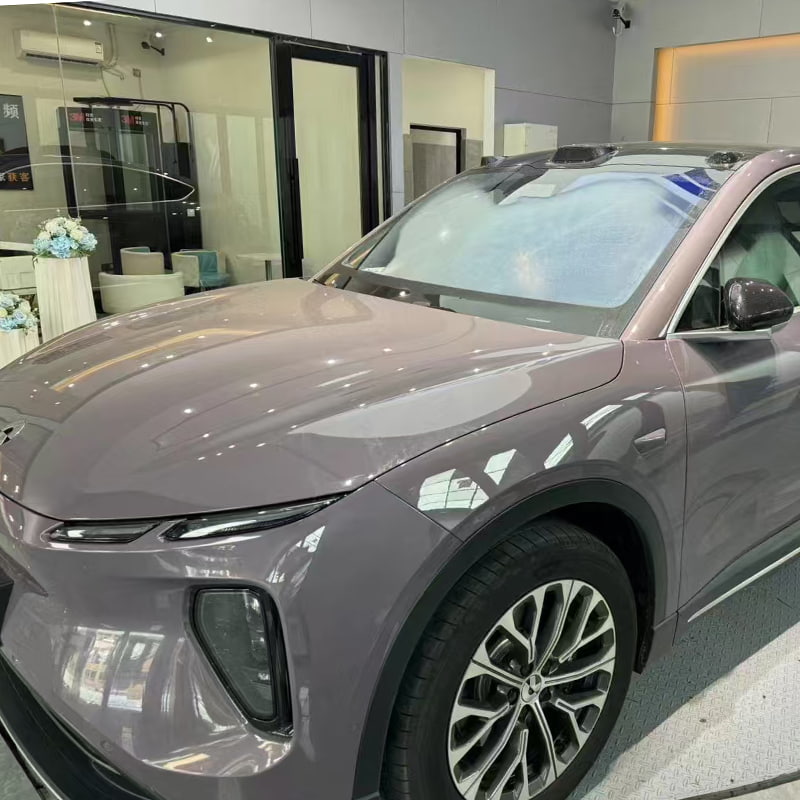
PPF for windshields is a legitimate application but one that carries specific trade-offs that make it different from PPF on painted panels. Windshield-specific PPF films are optically clear urethane films applied to the exterior glass surface to resist stone chip damage and reduce the likelihood of a chip propagating into a full crack. On a vehicle where windshield replacement costs $1,500–$4,000 (common on vehicles with embedded sensors, heads-up display, and ADAS camera calibration requirements), windshield PPF can make economic sense even though it does not prevent chips entirely.
The key considerations for windshield PPF are optical clarity and wiper compatibility. Film that introduces any haze, distortion, or rainbow effect in the driver's sightline is not acceptable, and not all paint PPF products are suitable for windshield application. Purpose-designed windshield films (offered by XPEL, Llumar, and a few specialist brands) use formulations optimized for glass adhesion and optical neutrality. Wiper blade contact with the film edge can cause lifting over time if the film is not installed with the edge positioned behind the wiper park position — a fitment detail that distinguishes competent installers from careless ones.
Windshield PPF cost runs approximately $300–$700 for the full windshield on most vehicles, with larger panoramic windshields and vehicles requiring calibration-point coverage at the top of the glass running toward the higher end. The film typically carries a 3–5 year warranty against delamination and yellowing. Unlike body panel PPF, windshield film is replaced rather than repaired — once a chip penetrates through the film into the glass, the glass still needs repair or replacement, though the chip is typically smaller and less likely to crack than an unprotected equivalent impact.
Clear Gloss PPF vs. Matte Finish PPF vs. Colored PPF: Which Surface Is Right?
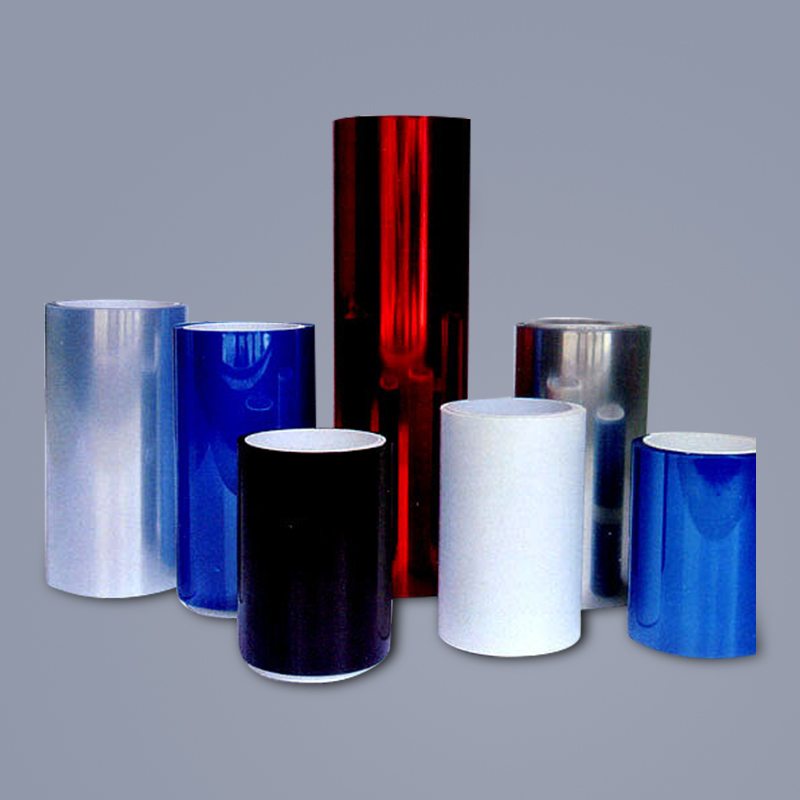
PPF is no longer only available in optically clear gloss. The market has expanded to include matte, satin, and fully colored films that simultaneously protect and aesthetically transform the vehicle — a significant shift from the early market where PPF was invisible by design.
Clear Gloss PPF
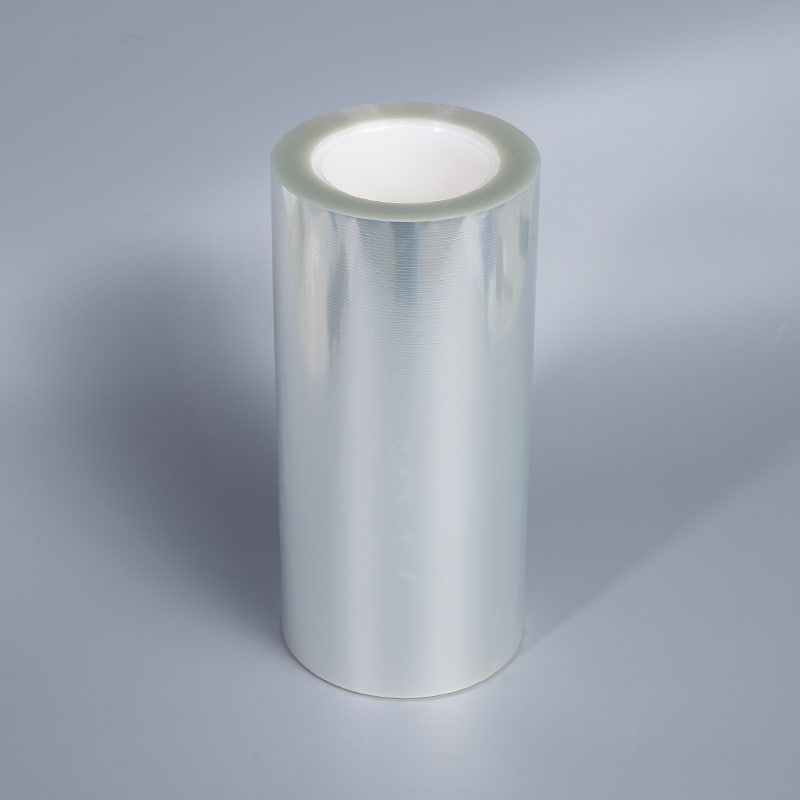
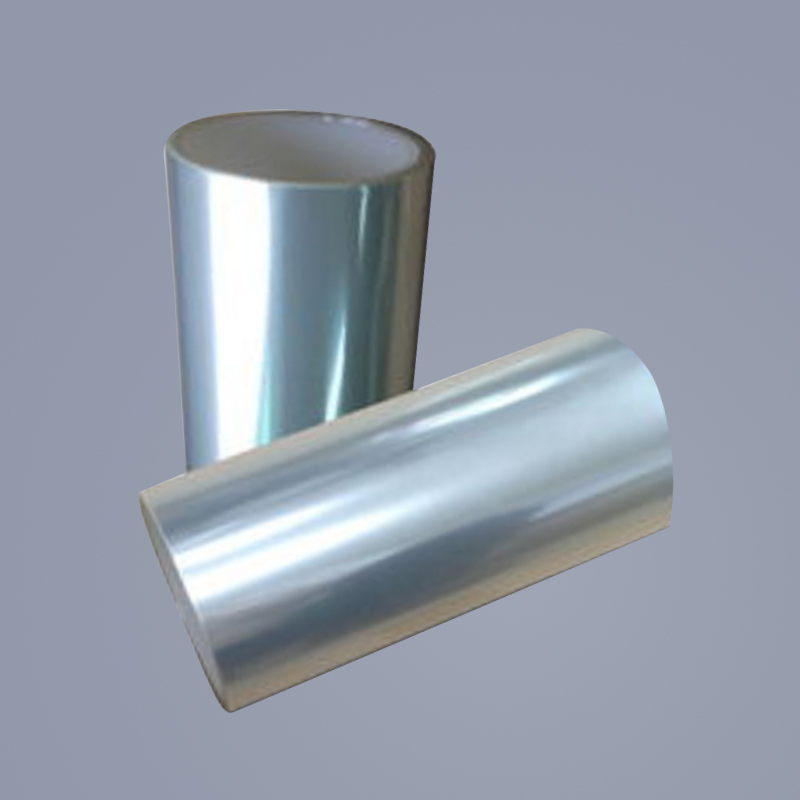
Clear gloss PPF is the original and still the most widely installed format. It is optically transparent, preserves the factory paint color and finish exactly, and is invisible on the vehicle when professionally installed. Gloss PPF is the correct choice when the goal is pure protection with no aesthetic change — preserving a desirable factory color, protecting a custom paint job, or maintaining the vehicle's appearance for resale purposes. All major brands offer gloss as their entry-level and highest-volume SKU.
Matte Finish PPF and Matte Black PPF
Matte finish PPF carries a top coat engineered to produce a flat, low-reflectance surface — either to complement a factory matte paint finish (which cannot be polished and is notoriously difficult to maintain without PPF) or to convert a gloss paint vehicle to a matte appearance without a respray. Matte black PPF is the most popular specific variant, allowing a satin or full matte black aesthetic on any base color while retaining full PPF protection. Matte PPF is more demanding to maintain than gloss — it cannot be polished, wax-based products can fill the micro-texture and create sheen spots, and it requires ceramic coating or specific matte sealants for ongoing protection. The self-healing function on matte film works the same way as gloss but the healed area must return to a consistent matte level, which top-tier matte films achieve reliably and budget films often do not.
Colored PPF Film
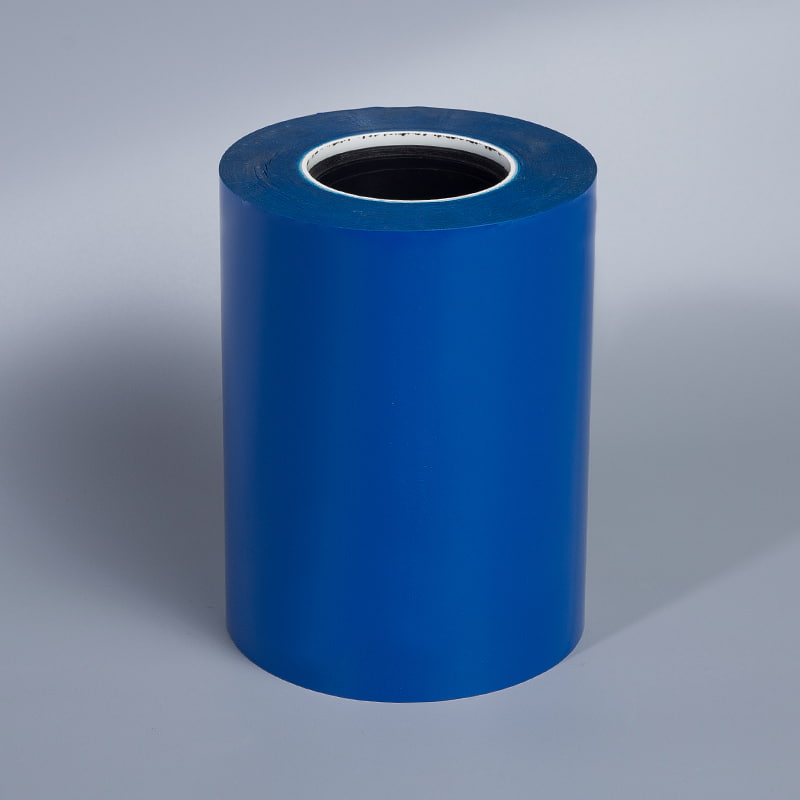
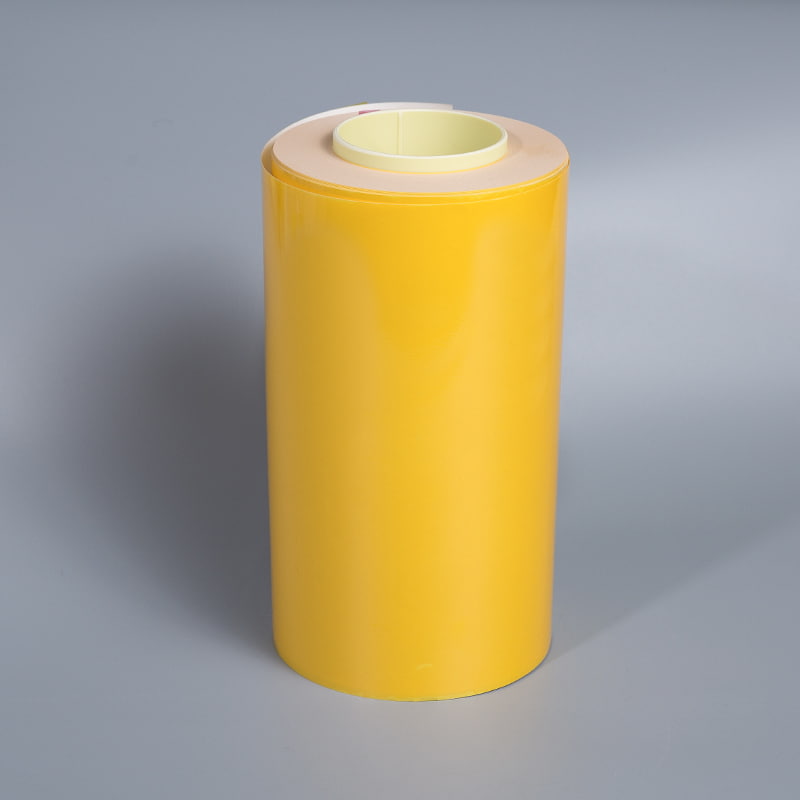
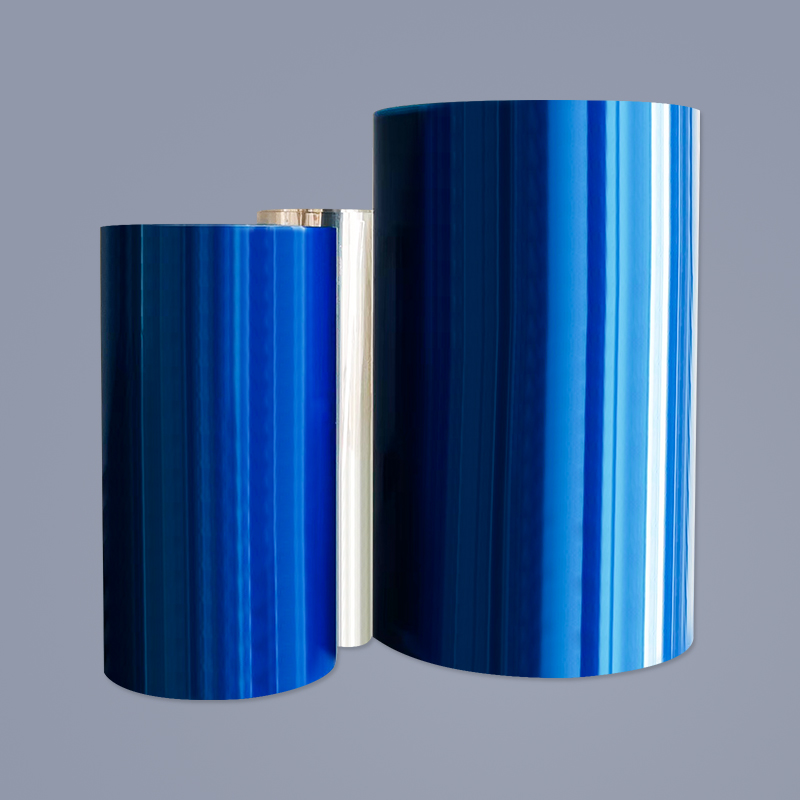
Colored PPF — also called color PPF wrap or colored PPF film — is a pigmented urethane film that provides both a color change and paint protection in a single product. Unlike standard vinyl wraps, which provide no meaningful impact protection, colored PPF retains the full thickness and self-healing properties of regular PPF while delivering a complete color transformation. This makes it genuinely superior to vinyl for any application where both protection and color change are desired — and it is increasingly competitive in price with high-end vinyl wraps on full-car coverage.
STEK colored PPF is the most recognized brand name in this category. STEK's DYNOshield color PPF line offers the widest color range of any major manufacturer — over 30 colors including solids, metallics, satin, and matte variants — and has set the benchmark for color consistency and clarity that other brands including UPPF Color PPF and Avery Dennison's PPF-C line have followed. UPPF Color PPF is a Chinese-manufactured colored film that has gained significant market share in Asia and is increasingly available in Western markets, offering competitive pricing at a slight quality tier below STEK on color depth and edge conformability.
Colored PPF costs approximately 20–40% more than clear PPF of equivalent coverage zone due to higher material cost, stricter installation requirements (color inconsistency at seams is far more visible than on clear film), and the need for precise panel-edge alignment that clear film forgives.
What Is the Best PPF Film? Top Brands Compared
The best PPF film depends on the application — full-car clear protection, matte conversion, colored wrap, or windshield — but the following brands consistently represent the top tier of the market across independent installer ratings and long-term durability data.
XPEL Ultimate Plus
XPEL's Ultimate Plus is widely considered the benchmark clear gloss PPF. Its top coat offers outstanding clarity, best-in-class self-healing speed (heals at ambient temperatures faster than most competitors), and a proprietary formulation that resists yellowing and staining at 10+ year service life. XPEL also offers the most comprehensive DAP (Design Access Program) cut database for pre-cut film patterns, which reduces installation time and improves edge consistency. XPEL Ultimate Plus commands a premium of roughly 15–25% over mid-tier competitors at the installer level.
STEK DYNOshield and DYNOmatte
STEK is the strongest challenger to XPEL in the premium tier and the clear leader in colored and matte PPF. DYNOshield (clear gloss) competes directly with XPEL Ultimate Plus at a slightly lower price point with comparable performance metrics. DYNOmatte is the reference product for matte PPF — its surface texture is highly consistent, the self-healing function restores matte uniformly, and it accepts ceramic coating without compromising the matte finish. STEK's color PPF range is the most extensive in the market and the most commonly specified for full-car color-change PPF projects.
Llumar Platinum and SunTek Ultra
Llumar Platinum and SunTek Ultra (both under the Eastman performance brands umbrella) are strong performers in the upper-mid tier. They offer competitive self-healing, good optical clarity, and solid warranty terms (10-year against yellowing and delamination on both products). They are commonly specified by volume installers serving the mainstream premium market. SunTek has a stronger reputation for conformability on complex curves than Llumar.
3M Pro Series
3M's PPF products benefit from the brand's global distribution network and recognition, but the Pro Series film is generally positioned in the mid-tier rather than competing directly with XPEL or STEK on raw film performance. Its primary advantage is installer confidence in the brand and 3M's warranty support infrastructure. For buyers who prioritize brand recognition and warranty certainty over marginal performance differences, 3M remains a solid choice.
Best Color PPF Brands Summary
For best color PPF brands specifically, the ranking is: STEK (widest range, highest color quality), followed by Avery Dennison PPF-C (strong metallics and pastels), UPPF Color PPF (competitive pricing, solid performance in Asian markets), and Llumar Color Series (limited range but good quality on available colors). Buyers sourcing colored PPF should prioritize color range, seam visibility, and installer experience with the specific film over brand loyalty — a skilled installer with a second-tier film will consistently outperform a novice installer with premium film on color-change projects where seam management is critical.
Ceramic Coating on Top of PPF: Why It's Done and How to Do It Right
Applying ceramic coating on top of PPF is the standard recommendation from most PPF manufacturers and detailing professionals for vehicles receiving full or significant coverage. The combination is not redundant — the two products protect against different threat categories and each improves the performance of the other.
PPF protects against mechanical damage: stone chips, abrasion, and impact. Ceramic coating — a nano-ceramic SiO₂ or SiC-based liquid polymer that cures to a hard, slick surface — protects against chemical damage and contamination: bird drop etching, tree sap, industrial fallout, UV degradation, and water spot formation. Applied over PPF, ceramic coating also makes the film surface significantly easier to maintain: the hydrophobic surface repels water and contaminants, reducing the frequency and effort of washing, and dramatically reducing the risk of wash-induced micro-scratches on the film surface.
Best Ceramic Coating for PPF
Not every ceramic coating is designed for PPF application. Standard ceramic coatings formulated for direct paint application may not bond optimally to the urethane top coat of PPF, and some formulations can interfere with the self-healing mechanism by filling the polymer chains that need to flow during healing. The best ceramic coating for PPF is one specifically formulated and tested for urethane film surfaces:
- GYEON Quartz Q²|PPF: Purpose-engineered for urethane film, excellent hydrophobicity, does not inhibit self-healing, 2-year durability rating. Widely considered the reference product for PPF ceramic coating by professional detailers.
- Carpro Cquartz PPF: Dedicated PPF formulation with strong chemical resistance and a slightly lower price point than GYEON. Good option for cost-conscious full-car projects.
- IGL Kenzo: Multi-surface ceramic coating that performs well on PPF, with up to 5 years rated durability. Higher initial cost but longer service interval makes it competitive on a per-year basis.
- XPEL Fusion Plus: XPEL's own ceramic coating product, specifically calibrated for their XPEL PPF top coat chemistry. The natural pairing for vehicles using XPEL film, with confirmed compatibility and simplified warranty coverage.
The installation sequence matters: PPF must be fully cured (minimum 7 days, ideally 30 days) before ceramic coating is applied. Applying ceramic coating over insufficiently cured PPF traps outgassing from the adhesive, causing haze and bonding failure. On matte PPF, the ceramic coating must be formulated for matte surfaces — a gloss ceramic applied to matte film will partially fill the surface texture and produce uneven sheen, exactly the defect that quality matte PPF is designed to avoid.
The combined cost of full-car PPF plus professional ceramic coating application adds approximately $500–$1,500 to the base PPF cost depending on vehicle size and coating product. Given that the ceramic coating extends the PPF's appearance life and reduces maintenance burden over a 5–10 year film warranty period, the addition represents strong value for any serious protection installation.