 En
En  中文简体
中文简体 西班牙语
西班牙语

Article Directory
In the high-precision world of pressure-sensitive adhesives (PSA) and die-cutting, "adhesive lock-up" is a critical failure mode where the adhesive bonds permanently to the release liner, rendering the product unusable. This phenomenon typically occurs when the interaction between the adhesive and the adhesive release paper exceeds the intended release force parameters. At Anhui Hengbo New Material Co., Ltd., established in 2017, we specialize as high-tier PET release film manufacturers. Our ISO9001-certified facility provides customized solutions for flexible circuits, nameplates, and medical plasters. Understanding the chemical and mechanical triggers of lock-up is essential for engineers to ensure stable production cycles and long-term storage reliability.
1. The Root Causes of Adhesive Lock-up
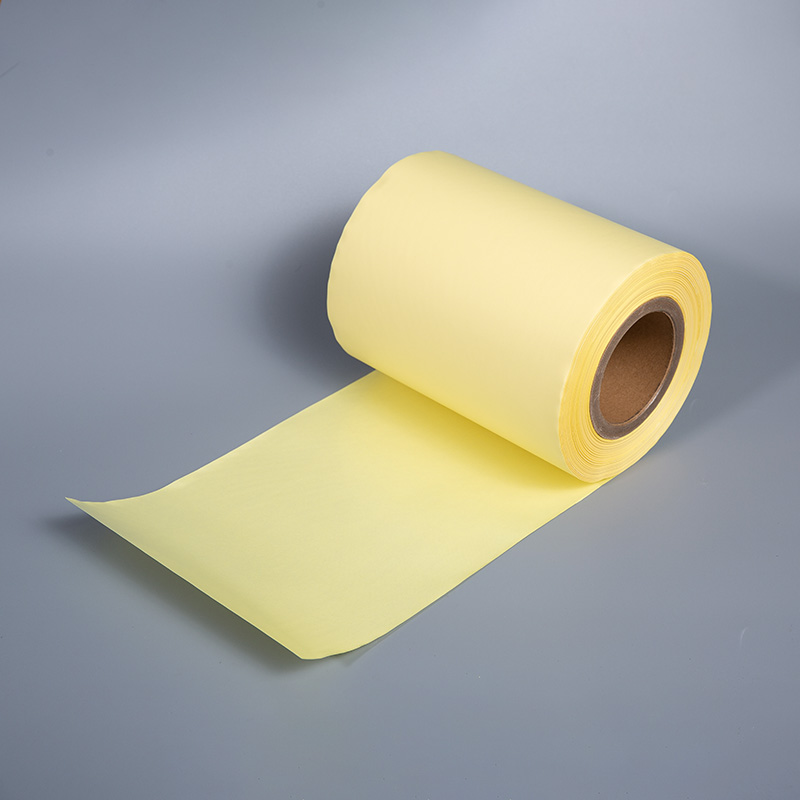
Adhesive lock-up is rarely the result of a single factor; it is usually a synergy of chemical migration and environmental stress. One primary cause is "silicone poisoning," where unreacted silicone monomers migrate into the adhesive layer, or conversely, adhesive components penetrate poorly cured silicone. When using a silicone coated release liner, if the platinum-catalyzed addition reaction is incomplete, the adhesive can interlock with the base paper fibers or the PET substrate. According to technical reports from the Association of International Metallizers, Coaters and Laminators (AIMCAL) in 2024, substrate surface energy and coating weight consistency are the top two variables affecting release stability in industrial lamination.
Source: AIMCAL: Technical Guidelines for Release Liner Coating and Curing Consistency 2024
Comparison: Chemical vs. Mechanical Lock-up
Chemical lock-up involves a molecular bond formed due to curing failures, whereas mechanical lock-up is often caused by physical "oozing" of the adhesive over the edge of the liner or into surface pores.
| Feature | Chemical Lock-up | Mechanical Lock-up |
| Primary Trigger | Incomplete silicone curing or migration. | Adhesive flow/bleed or excessive pressure. |
| Temperature Sensitivity | High (accelerates chemical bonding). | Moderate (lowers adhesive viscosity). |
| Primary Solution | Optimizing the catalyst/curing ratio. | Improving die-cutting precision and storage. |
2. Environmental Impact: Temperature and Humidity
Storage conditions play a decisive role in the performance of glassine release paper for labels and PET-based liners. Excessive heat can cause the adhesive to "wet out" more aggressively on the liner surface, increasing the contact area at a microscopic level. 2025 industry statistics from the European Association for the Self-Adhesive Tape Industry (AFERA) indicate that storage temperatures exceeding 30°C for prolonged periods can increase release force by up to 45% in acrylic-based adhesives, leading to potential lock-up during automated dispensing.
Source: AFERA: Impact of Environmental Stress on Tape Performance and Release Force 2025
3. Material Compatibility and Selection
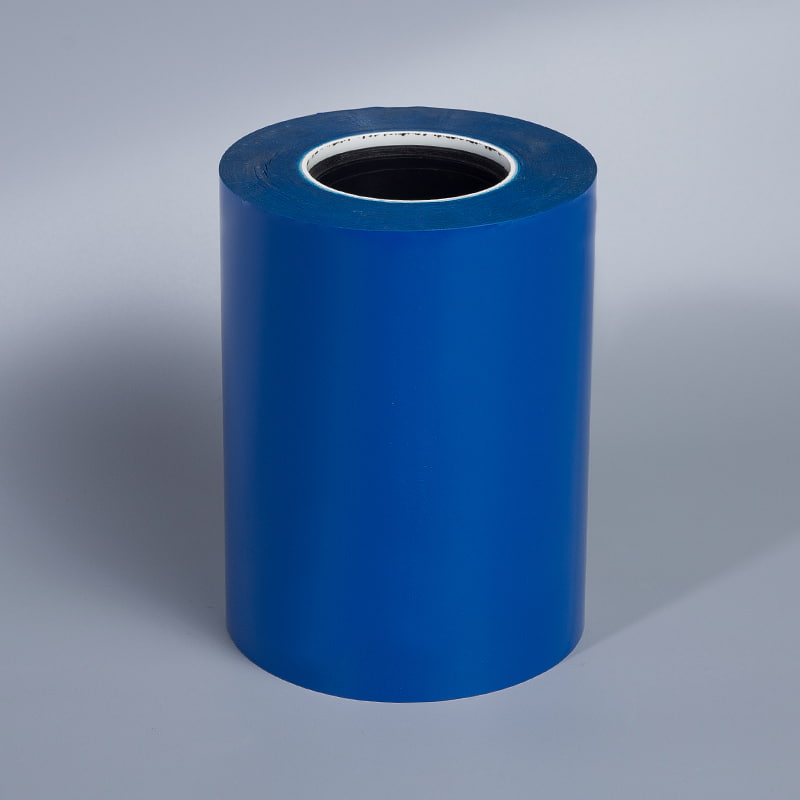
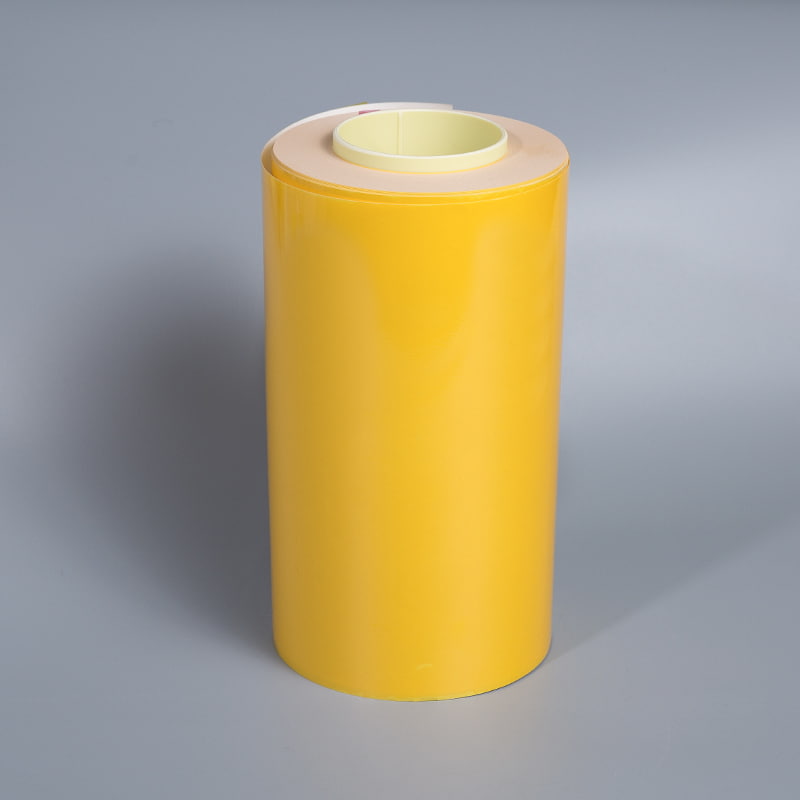
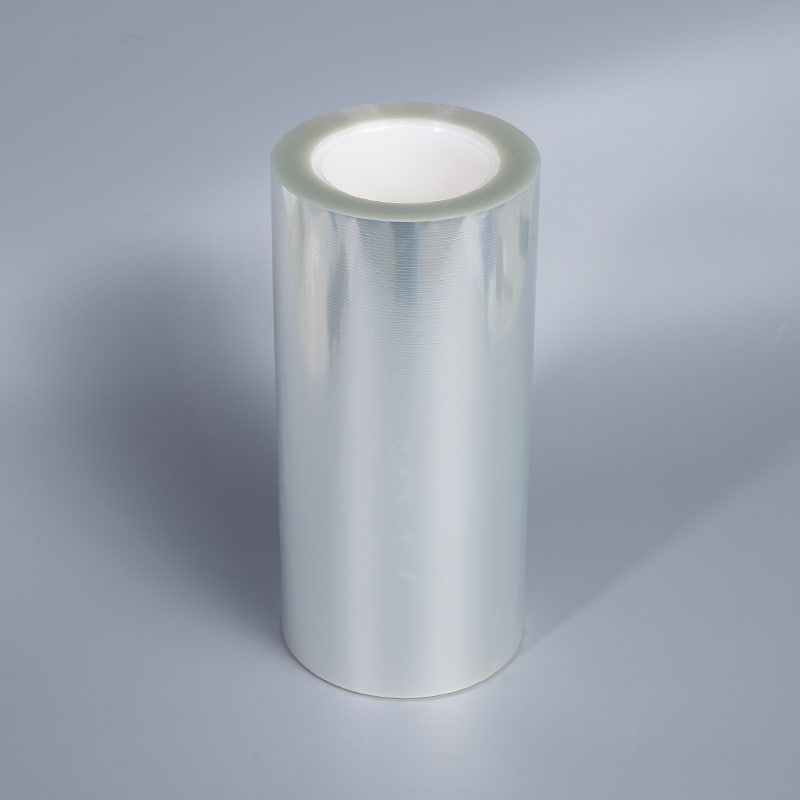
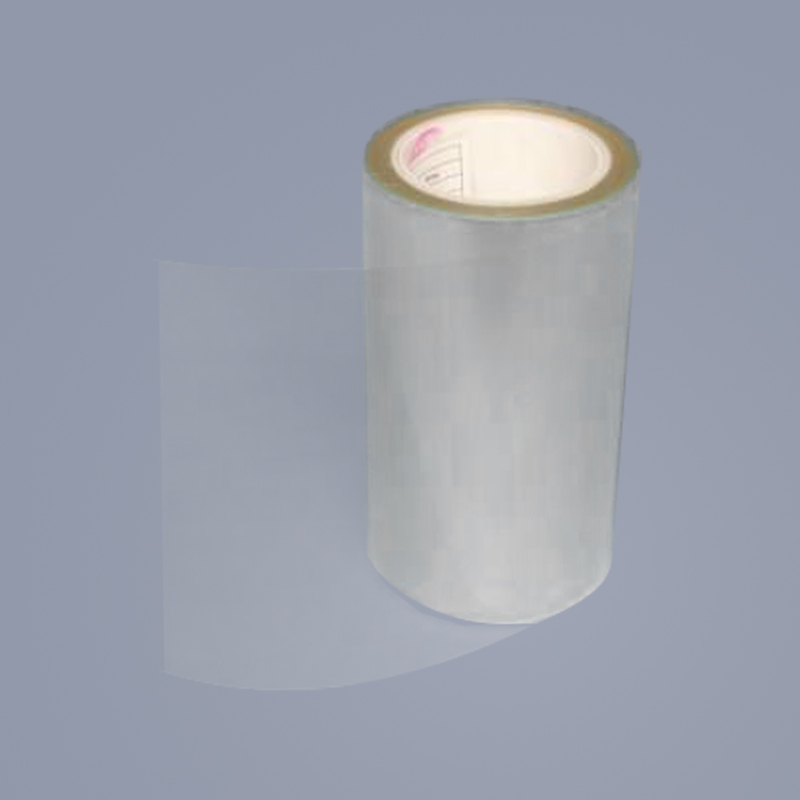
Selecting the correct liner is about matching the surface energy of the substrate to the rheology of the adhesive. For example, high density PET release film provides a smoother, non-porous surface compared to paper, which significantly reduces the risk of mechanical interlocking for low-viscosity adhesives. At Anhui Hengbo, we recognize that customers in the electronics and medical industries require customized adhesive release solutions. By adjusting the silicone formula—whether solvent-based, solventless, or emulsion—we can prevent the "ghosting" and lock-up issues common in die cutting release paper for electronics applications.
Comparison: PET vs. Paper Substrates for Release Liners
PET liners offer superior dimensional stability and cleanliness, while paper liners are often preferred for their cost-effectiveness and heat resistance in specific lamination processes.
| Attribute | Paper-Based Release Liner | PET Release Film |
| Surface Smoothness | Moderate (Fibers may protrude). | Excellent (Clear and flat). |
| Cleanliness (Lint-free) | Low (Potential for dust). | High (Ideal for cleanrooms). |
| Moisture Resistance | Poor (May curl or wave). | Excellent (Stable in high humidity). |
[Image showing the smooth surface of PET release film vs the fibrous structure of paper release liner]
4. Practical Prevention Strategies
To prevent adhesive lock-up, engineers must implement a rigorous quality control protocol:
- Verify Curing Levels: Perform "Rub-off" and "Extractable" tests on every batch of silicone coated release liner to ensure silicone stability.
- Tension Control: During lamination, excessive winding tension can force the adhesive into the liner, simulating lock-up conditions.
- Optimized Barrier Coatings: Use a clay-coated or polymer-coated base to prevent adhesive penetration into paper fibers.
Conclusion: Professional Release Solutions from Hengbo
Adhesive lock-up is a complex challenge, but with the right choice of adhesive release paper or PET film, it is entirely preventable. Anhui Hengbo New Material Co., Ltd. is committed to providing thoughtful services and professional quotations. Whether you are in the automotive, waterproof material, or medical plaster industry, our customized adhesive release solutions are designed to ensure your success. By combining high-quality PET polyester film with advanced silicone technology, we help you avoid lock-up and achieve perfect die-cutting results.
Frequently Asked Questions (FAQ)
- Why does my adhesive release paper work fine initially but lock up after two months? This is usually due to "time-dependent release," where the adhesive continues to wet out or chemical migration occurs during storage. Controlled environment storage is recommended.
- Is high density PET release film better for medical applications? Yes, because it is lint-free, stable, and can be coated with medical-grade silicones that prevent skin-adhesive lock-up.
- Can humidity cause lock-up? Humidity primarily affects paper liners, causing dimensional changes that can lead to adhesive "tunneling" or mechanical entrapment.
- What is the difference between easy, medium, and tight release? These refer to the force required to pull the liner away. "Tight" release is often used for small parts in die cutting release paper for electronics to prevent premature delamination.
- Do PET release film manufacturers provide solvent-free options? Yes, Anhui Hengbo provides various silicone systems, including environmentally friendly solvent-free coatings, depending on the customer's technical needs.