 En
En  中文简体
中文简体 西班牙语
西班牙语

Article Directory
- 1 1. Hygrothermal Dynamics: The Effect of Humidity on Substrate Integrity
- 2 2. Thermal Stability and Silicone Migration Mechanics
- 3 3. Maximizing Performance through Professional Handling
- 4 Conclusion: The Synergy of Quality and Climate Control
- 4.1 Frequently Asked Questions (FAQ)
- 4.1.1 1. What is the typical shelf life of a release paper roll?
- 4.1.2 2. Why does my release paper for adhesive products become hard to peel over time?
- 4.1.3 3. Are PET release film properties more stable than paper?
- 4.1.4 4. How to troubleshoot release paper peeling problems in winter?
- 4.1.5 5. Can customized PET release film solutions be tailored for tropical climates?
- 4.2 Industry References
- 4.1 Frequently Asked Questions (FAQ)
In the precision manufacturing of adhesive products and flexible circuits, the release paper roll serves as a critical substrate carrier. Its primary function is to provide a controlled release force while protecting the adhesive layer from contamination. Anhui Hengbo New Material Co., Ltd., established in 2017, is a leading manufacturer specializing in PET polyester film and release paper roll solutions. With ISO9001 certification and a deep commitment to customized solutions, we recognize that the interaction between environmental variables and silicone coatings determines the final product yield. Understanding how humidity affects release paper stability and temperature-induced silicone migration is essential for engineers in industries ranging from medical plasters to membrane switches.
1. Hygrothermal Dynamics: The Effect of Humidity on Substrate Integrity
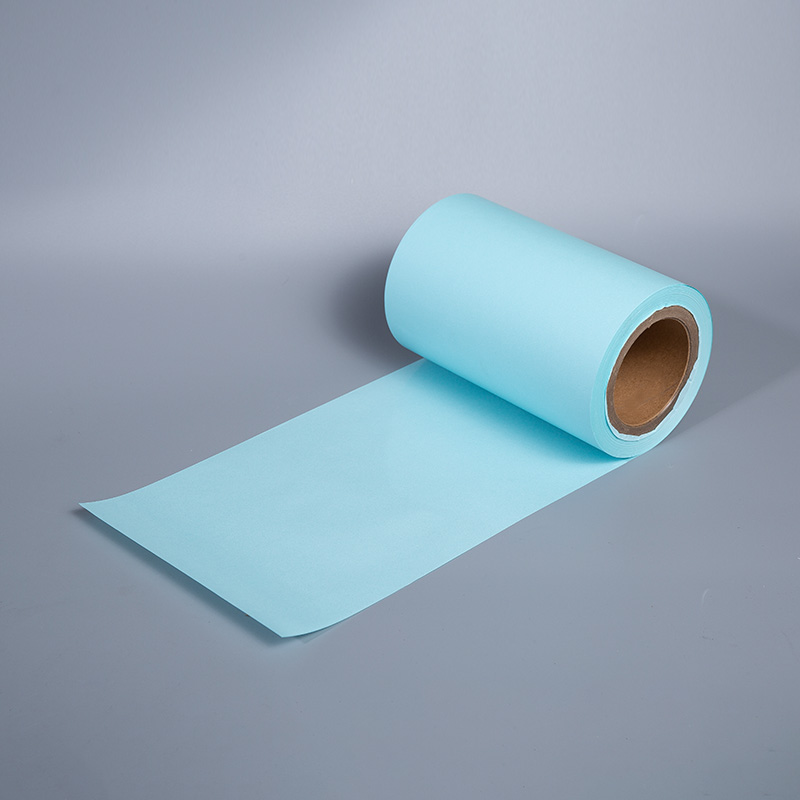
The hygroscopic nature of the paper base in a release paper roll makes it highly sensitive to ambient moisture. High humidity levels lead to fiber swelling, which can cause dimensional instability and "curling." Conversely, extremely low humidity may result in paper brittleness, affecting the efficiency of die-cutting and punching processing. When comparing glassine vs clay coated release paper humidity resistance, glassine tends to have a denser structure but still requires strict climate control to prevent dimensional distortion. For those utilizing PET release film vs release paper for humid environments, the PET substrate offers superior moisture barriers. Maintaining ideal storage conditions for release paper rolls typically involves a relative humidity (RH) range of 40% to 60% to ensure consistent performance in release paper for adhesive products.
Humidity Impact Analysis
- High Humidity (>65% RH): Leads to "cockling" and a potential decrease in release force stability due to moisture interference at the silicone-adhesive interface.
- Low Humidity (<30% RH): Increases static electricity buildup during unwinding and causes the substrate to become prone to cracking.
| Environmental Condition | Substrate Reaction | Impact on Die-Cutting |
| Excessive Humidity | Fiber expansion/Softening | Inaccurate registration; ragged edges |
| Optimal Humidity | Dimensional Equilibrium | Clean, precise punching and stripping |
| Insufficient Humidity | Fiber contraction/Brittleness | Dust generation; substrate snapping |
2. Thermal Stability and Silicone Migration Mechanics
Temperature plays a pivotal role in the chemical stability of the silicone coating. Elevated temperatures accelerate the shelf life of release paper roll degradation through a process known as silicone migration or "blocking." If a release paper roll is stored in a high-temperature warehouse, the silicone molecules can migrate into the paper fibers or transfer to the backside of the roll (the non-silicone treated side), leading to inconsistent release values. For high temperature resistant release paper applications, such as those found in circuit board lamination or laser anti-counterfeiting, the coating must be specially formulated. At Anhui Hengbo, we offer customized PET release film solutions that utilize advanced cross-linking agents to mitigate these thermal risks.
Temperature-Induced Failure Sequence
- Thermal Expansion: Different expansion rates between the silicone layer and paper base can cause micro-cracking in the coating.
- Silicone Migration: Excessive heat lowers the viscosity of unreacted silicone polymers, allowing them to seep through porous substrates.
- Release Force Drift: The performance of silicone coated release paper changes, often resulting in "heavy release" (difficulty stripping the adhesive).
| Temperature Range | Effect on Release Force | Chemical Implication |
| Below 10°C | Initial increase in stiffness | Reduced molecular mobility; stable shelf life |
| 15°C - 25°C | Optimal (Baseline) | Equilibrium state for most silicone chemistries |
| Above 35°C | Potential "blocking" | Accelerated migration and chemical aging |
3. Maximizing Performance through Professional Handling
To ensure a long shelf life for release paper rolls, engineers must adopt a holistic approach to logistics and storage. This involves more than just thermostat control; it requires understanding the best practices for storing PET release film and paper-based rolls alike. Acclimatization is a critical step; a release paper roll should be allowed to reach the temperature of the production floor for at least 24-48 hours before the protective packaging is removed. This prevents condensation, which is a major cause of common release paper performance issues in waterproof materials and electronic films. Our technical team at Anhui Hengbo provides professional and reasonable quotations and advice on how to troubleshoot release paper peeling problems caused by environmental stress.
Operational Guidelines for Success
- Packaging Integrity: Always keep rolls in their original PE-film wrapping until immediately before use.
- Vertical Storage: Store rolls horizontally on racks or vertically on pallets to prevent pressure-induced "flat spots" that affect tension.
- Inventory Rotation: Follow a "First-In, First-Out" (FIFO) system to manage release paper shelf life factors effectively.
Conclusion: The Synergy of Quality and Climate Control
While Anhui Hengbo New Material Co., Ltd. provides high-quality PET polyester films and protective films engineered for excellence, the ultimate performance of a release paper roll depends on the end-user's environmental management. By controlling humidity and temperature, manufacturers can prevent substrate distortion, silicone migration, and adhesive failure. Whether your application is in medicine, electronics, or reflective materials, adhering to people-oriented service and technical rigor ensures that your release paper roll performs exactly as intended, leading your projects to success.
Frequently Asked Questions (FAQ)
1. What is the typical shelf life of a release paper roll?
Under optimal storage conditions (21°C and 50% RH), most release papers have a shelf life of 12 months. However, this can be significantly reduced if the rolls are exposed to direct sunlight or high humidity.
2. Why does my release paper for adhesive products become hard to peel over time?
This is often due to "Release Force Build-up," caused by temperature-induced interaction between the adhesive and the silicone coating. Storing the rolls in a cool environment helps minimize this chemical aging process.
3. Are PET release film properties more stable than paper?
Yes. PET (Polyester) film is non-hygroscopic, meaning it does not absorb moisture from the air. This makes PET release film far more dimensionally stable than paper in fluctuating humidity.
4. How to troubleshoot release paper peeling problems in winter?
In winter, low humidity can cause static buildup. Using ionizers on the production line and ensuring the release paper roll is properly acclimated to the factory temperature can solve most peeling issues.
5. Can customized PET release film solutions be tailored for tropical climates?
Absolutely. We can adjust the silicone formulation and cross-linking density to ensure the performance of silicone coated release paper remains stable even in high-heat and high-humidity environments typical of tropical regions.
Industry References
- ISO 9001:2015 - Quality Management Systems for Technical Films and Substrates.
- FINAT Technical Handbook - Test Methods for Self-Adhesive Materials and Release Liners.
- ASTM D3330 - Standard Test Method for Peel Adhesion of Pressure-Sensitive Tape.
- Anhui Hengbo Internal Lab Report: "Thermal Stability of Silicone Coatings on PET Substrates" (2025).