 En
En  中文简体
中文简体 西班牙语
西班牙语

Article Directory
- 1 What Self Adhesive Vinyl Actually Is and Why It Replaces Paint and Screen Printing
- 2 Cast vs. Calendered Self Adhesive Vinyl: Performance Differences That Determine Where You Use Each
- 3 Where Self Adhesive Vinyl Delivers the Strongest Business Value Across Industries
- 4 Surface Preparation and Application Techniques That Extend Self Adhesive Vinyl Lifespan
- 5 Digital Printing and Cutting Technology Driving Self Adhesive Vinyl Innovation
What Self Adhesive Vinyl Actually Is and Why It Replaces Paint and Screen Printing
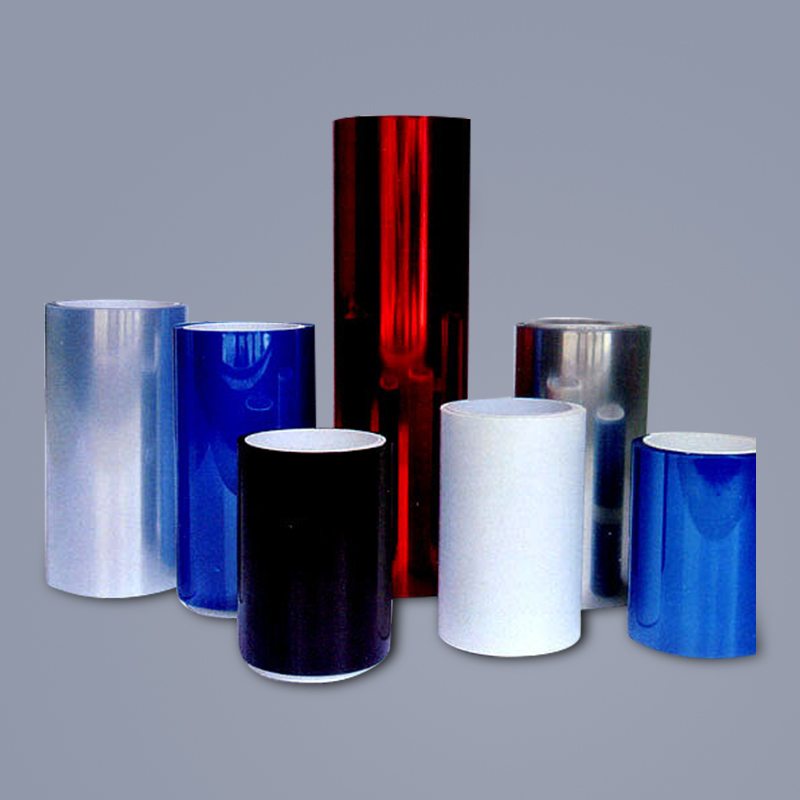
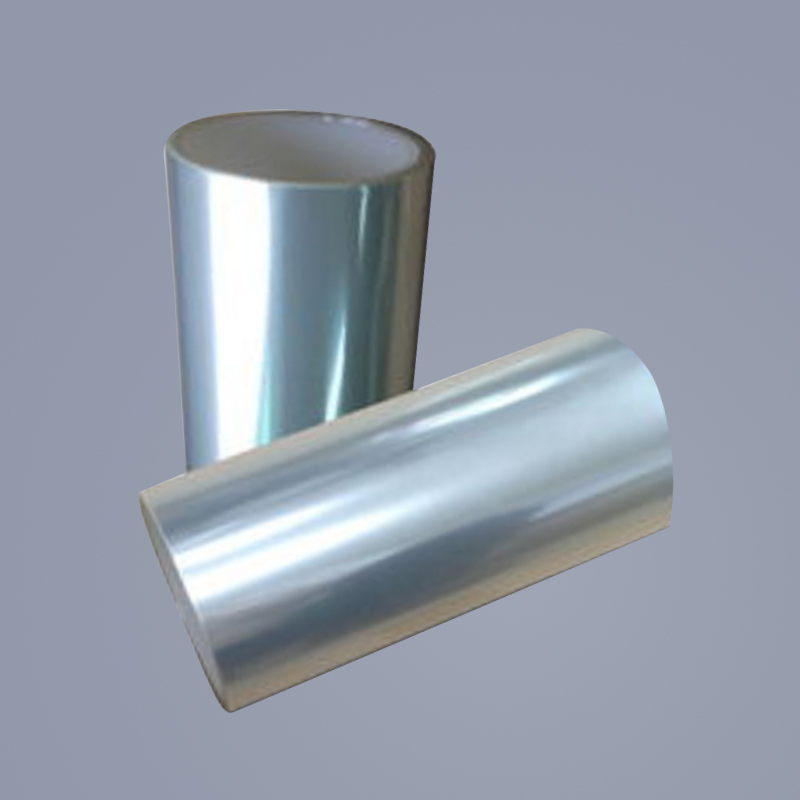
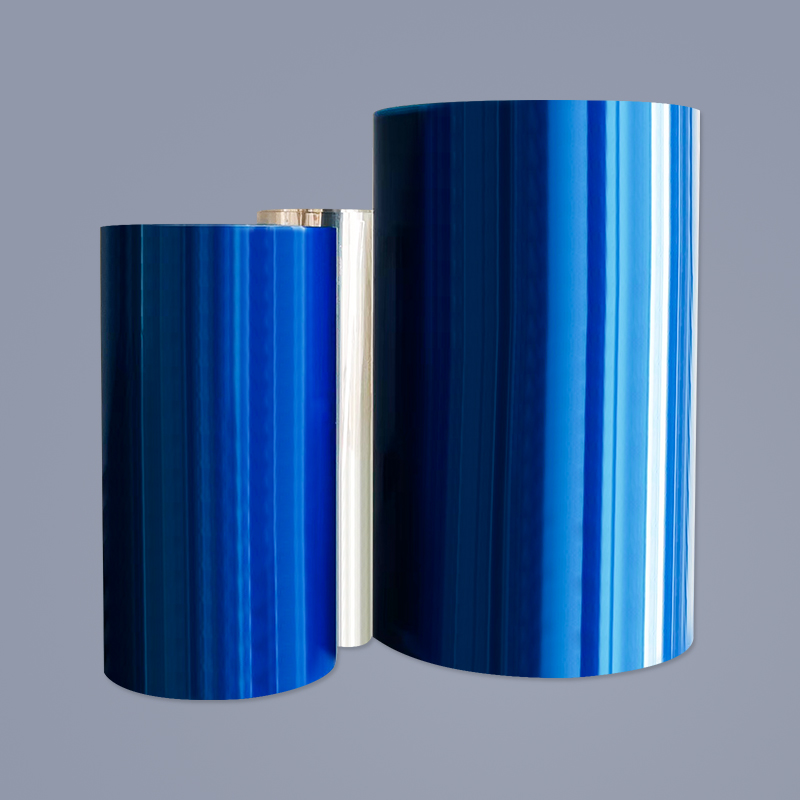
Self adhesive vinyl is a thin, flexible polymeric film coated on one side with a pressure-sensitive adhesive and protected by a removable release liner. Its core advantage is converting flat or slightly curved surfaces into durable, full-color graphic displays without liquid coatings or curing time. The material has largely replaced solvent-based paint for fleet markings, retail signage, and interior décor because it eliminates VOCs, shortens installation from hours to minutes, and allows precise digital reproduction of gradients and photographs.
The film itself is typically PVC-based, though increasingly polyurethane and olefin alternatives are available for specific environmental demands. The adhesive layer is formulated to bond to metals, glass, painted substrates, and even low-surface-energy plastics when paired with the correct primer or top coat. For permanent applications, high-tack acrylic adhesives build bond strength over 24–48 hours, reaching over 40 N/25mm peel adhesion on aluminum in standard tests.

Cast vs. Calendered Self Adhesive Vinyl: Performance Differences That Determine Where You Use Each
The manufacturing method splits self adhesive vinyl into two fundamentally different product classes. Choosing the wrong type remains the most common cause of premature failure in outdoor applications.
| Property | Cast Vinyl | Calendered Vinyl |
|---|---|---|
| Film thickness (typical) | 50–60 microns | 70–100 microns |
| Shrinkage (post-application) | Less than 1% | 2–5% depending on plasticizer content |
| Conformability on compound curves | Excellent, requires minimal heat | Limited, prone to lifting without post-heating |
| Outdoor durability | 7–12 years | 3–7 years |
| Cost per square meter (relative) | 2x–3x higher | Lower, economical for flat surfaces |
Cast vinyl starts as a liquid paste that is flowed onto a casting sheet and cured, forming a film with virtually no internal stress. This gives it dimensional stability and the ability to stretch over rivets, complex bumper contours, or corrugations without lifting. Calendered vinyl is mixed and squeezed through rollers, creating internal stress memory that causes the film to try returning to its original flat shape over time. For vehicle wraps that require the film to conform into deep recesses, cast films are the only reliable choice.
For short-term promotional wall graphics, floor decals replaced quarterly, or rigid sign panels, calendered self adhesive vinyl offers sufficient performance at significantly lower material cost. The critical rule is matching expected service life and surface geometry to the correct film type.
Where Self Adhesive Vinyl Delivers the Strongest Business Value Across Industries
Self adhesive vinyl is not a single-use product. Its value is measured by how effectively it replaces more expensive or less flexible decorating methods in each application. The following use cases represent the highest-growth segments based on material consumption data from North America and Europe.
- Vehicle wraps and partial fleet markings: A full commercial vehicle wrap using cast vinyl with air-release channels covers the painted surface, protects resale value, and carries advertising seen by thousands daily. Partial door logos and hood stripes remain the highest-ROI sub-segment.
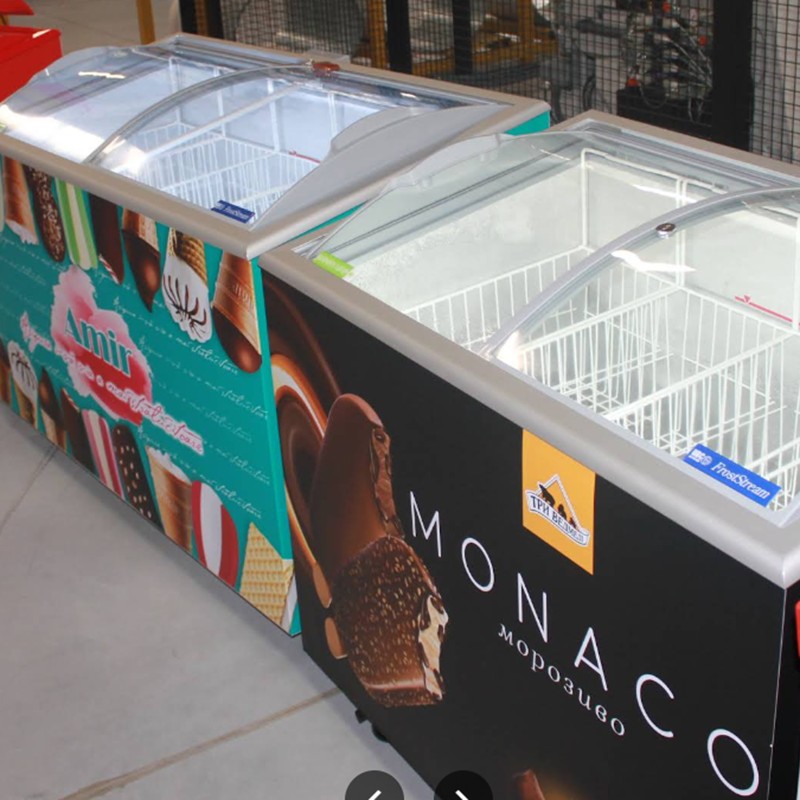
- Architectural and interior wall films: Textured and matte self adhesive vinyl films now replicate brushed metal, wood grain, and stone finishes at under $10 per square foot installed, compared to $30–$80 for the genuine materials. They are removable and require no demolition.
- Durable labels and safety decals: Equipment rating plates, warning decals, and control panel overlays use high-tack self adhesive vinyl with polyester or polycarbonate top lamination. These withstand chemicals, UV, and temperatures from -40°C to over 120°C.
- Window and glass manifestations: Frosted or patterned optically clear vinyl provides privacy and solar control while maintaining light transmission. Applied to interior glass partitions, it meets building codes for bird collision deterrence without etching.
Surface Preparation and Application Techniques That Extend Self Adhesive Vinyl Lifespan
Even high-grade self adhesive vinyl will fail within months if applied to contaminated or poorly prepared surfaces. The most common failure mechanisms are edge lifting, bubble formation, and adhesive residue left behind at removal. Correcting these issues at the preparation stage is far cheaper than reprinting and reinstalling.
- Surface cleaning and degreasing: Use a mixture of isopropyl alcohol and water at 70% concentration. For automotive paint, follow with a tack cloth. Any silicone, wax, or oil residue reduces adhesion energy below the 30 dyne/cm level required for reliable bonding.
- Temperature and humidity control: The application environment should be between 16°C and 30°C with relative humidity below 70%. Cold films become brittle and resist conforming; hot adhesives become too aggressive and trap air. The substrate itself should be above 10°C to prevent condensation.
- Post-heating contours and edges: After squeegeeing, heat all stretched areas and cut edges to 90–100°C using a heat gun or torch, then re-press firmly. This relaxes the film's memory and activates the adhesive's flow into the substrate's micro-roughness, the key step for long-term edge seal.
- Dry adhesion dwell time: High-performance cast vinyl adhesives reach 80% of their ultimate bond strength within 24 hours. Avoid washing, waxing, or exposing the graphic to rain or extreme cold during this initial cure period.
Digital Printing and Cutting Technology Driving Self Adhesive Vinyl Innovation
The reason self adhesive vinyl has grown from simple plotter-cut lettering into a multi-billion-dollar industry is the parallel advance in digital printing and contour cutting. Latex and eco-solvent inkjet printers now lay down 1,200 dpi images directly onto vinyl with outdoor durability matching screen-printed inks. UV-curable printers go further, printing white and clear layers that create double-sided window graphics and textured Braille signage in a single pass.
Simultaneous print-and-cut workflows have eliminated registration errors. Today's digital finishing tables and roll-fed cutters read printed registration marks and cut complex shapes at speeds exceeding 1 meter per second, letting a single operator produce hundreds of decals per hour. For short-run packaging prototypes and custom retail displays, this turnaround time of under two hours from file to finished product has made self adhesive vinyl the default media for rapid visualization.
Newer film formulations with micro-structured adhesives allow air to escape through channels only 10–15 microns deep, making large-format installations bubble-free even for novice installers. Combined with repositionable low-tack options that leave no residue on interior painted drywall, these innovations are expanding the material into temporary event graphics, short-term real estate signage, and seasonal home décor that consumers can apply and remove without professional help.