 En
En  中文简体
中文简体 西班牙语
西班牙语

Article Directory
What PET Release Film Is Used For
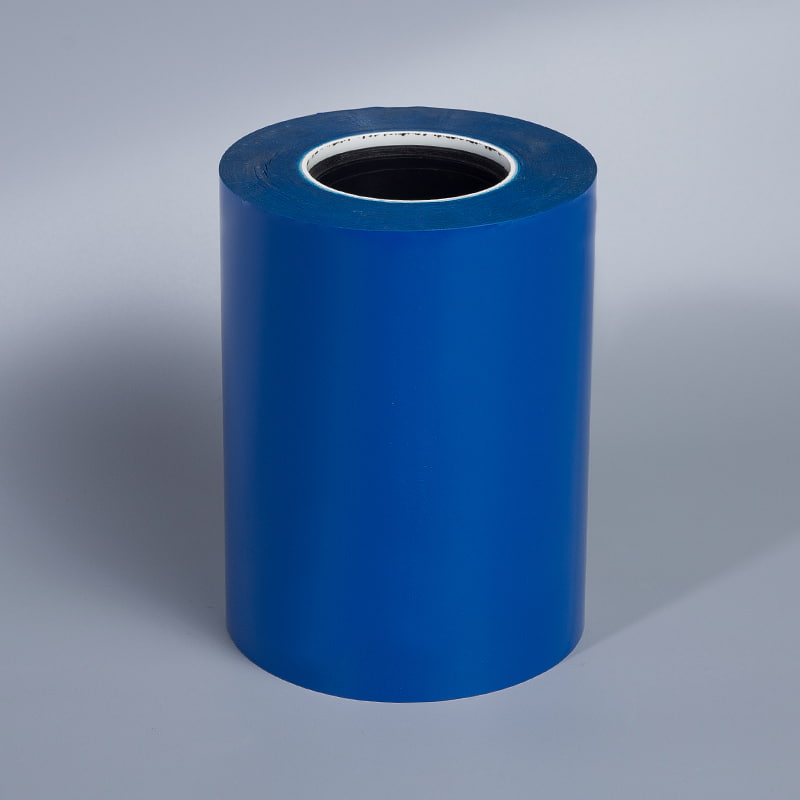
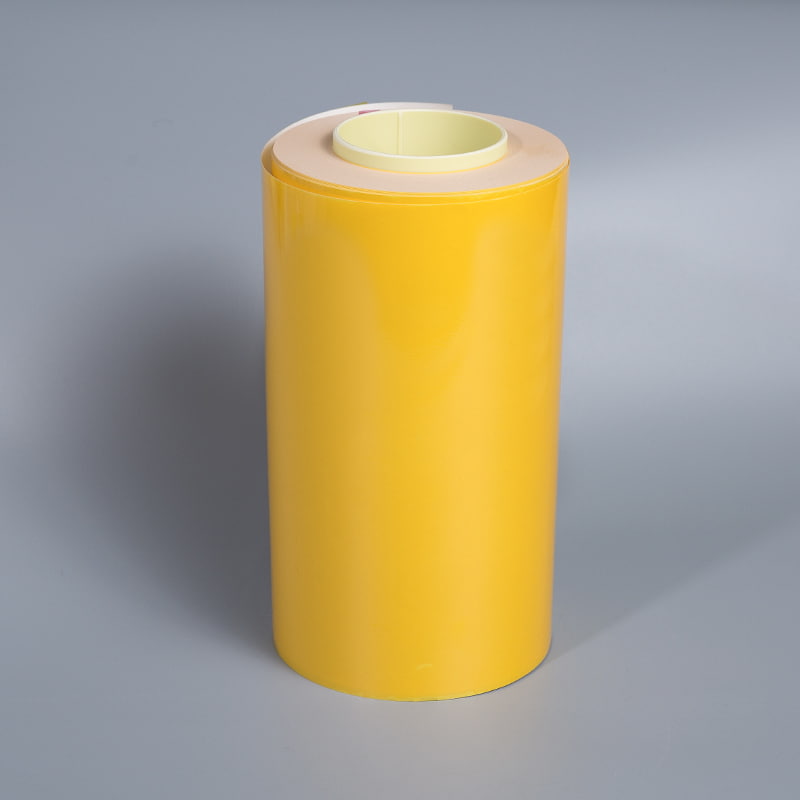
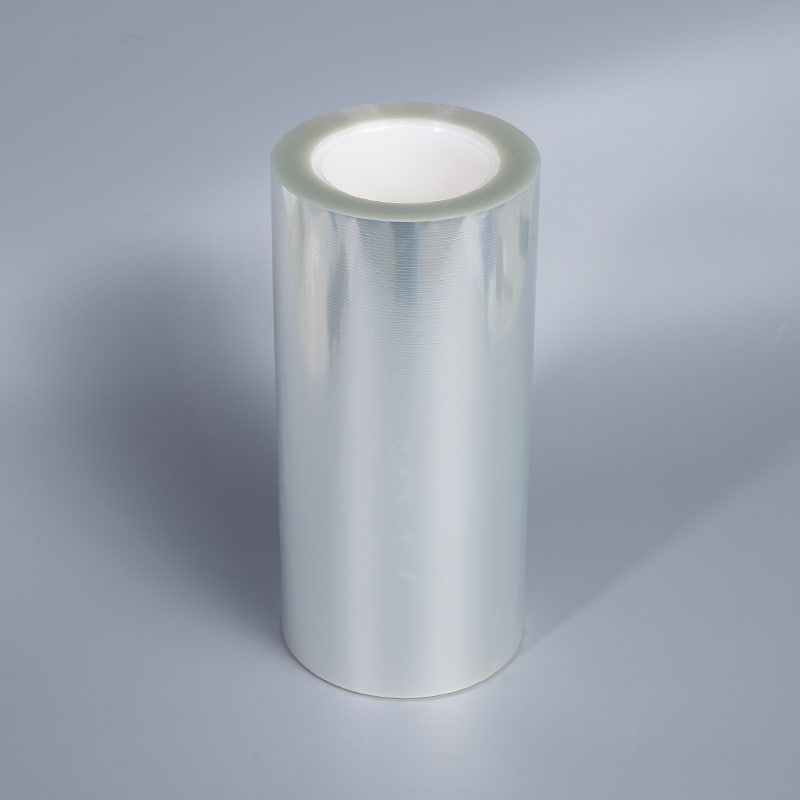
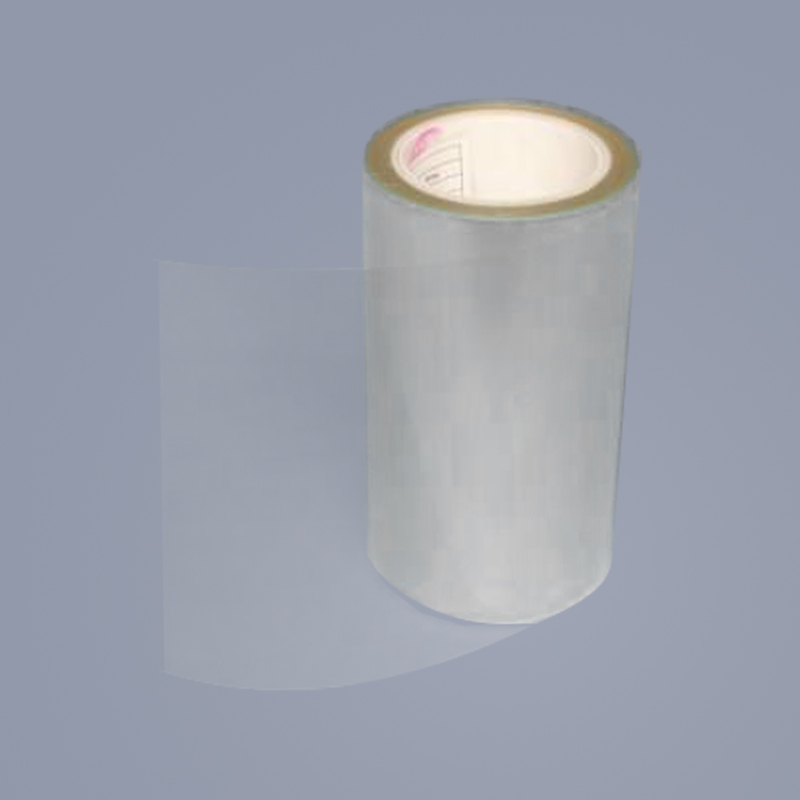
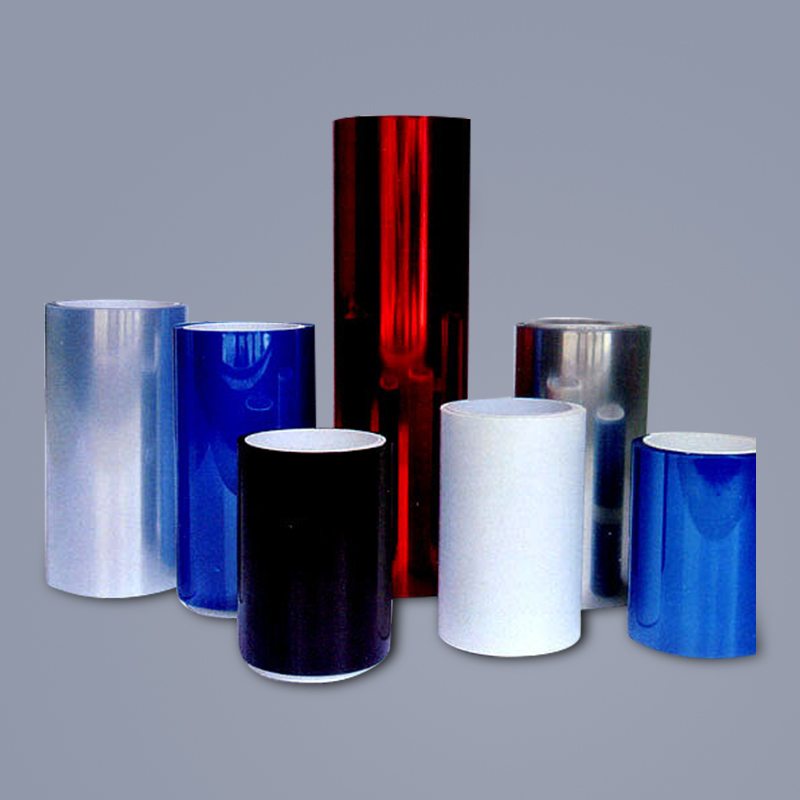
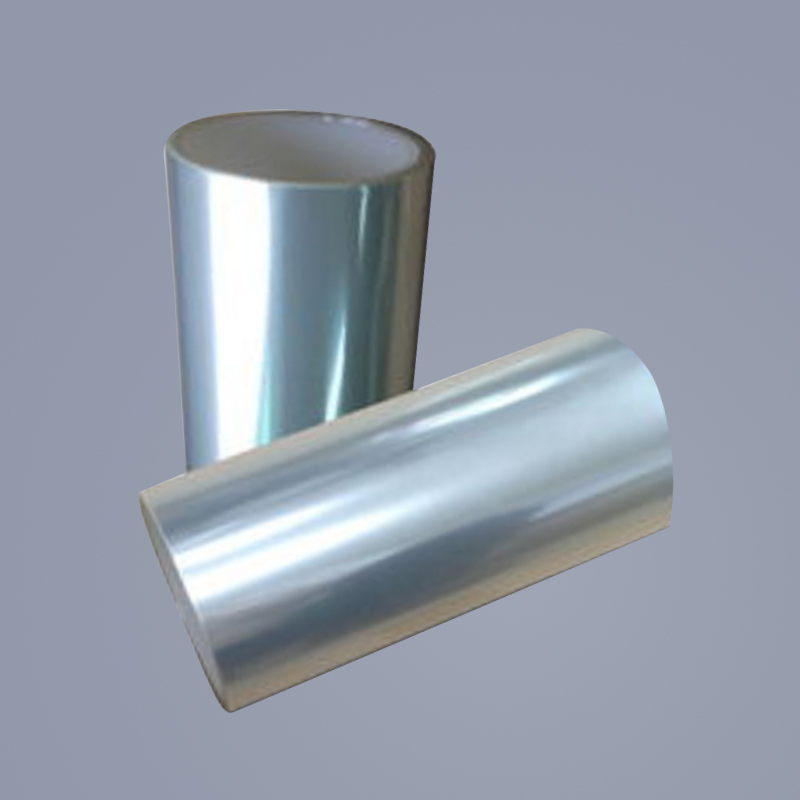
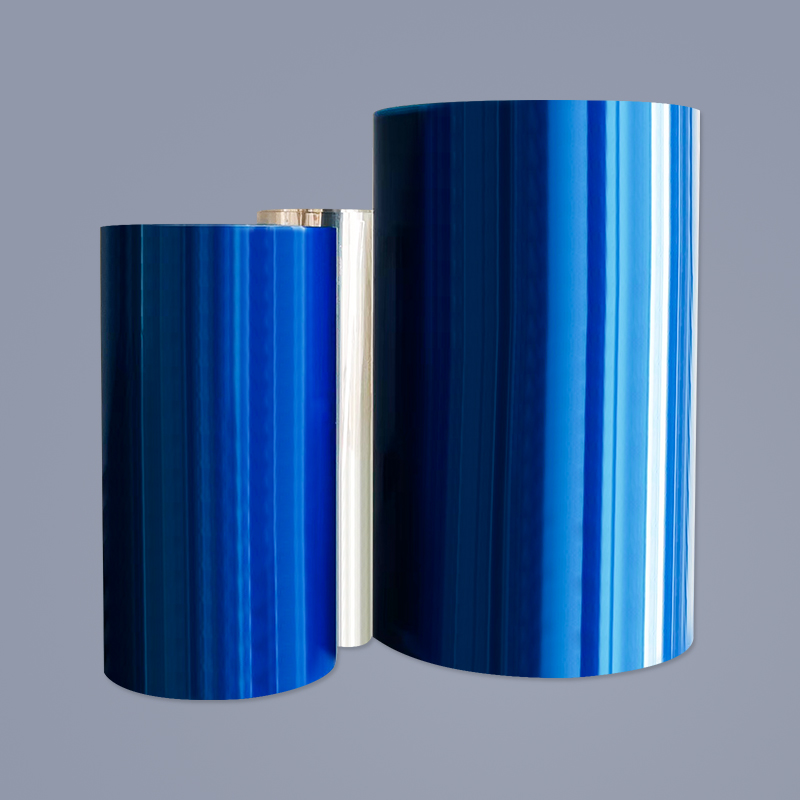
PET release film is a polyester carrier film coated with a release agent — most commonly silicone, though fluorocarbon and non-silicone alternatives exist for specific bonding applications — that allows it to be peeled away cleanly from an adhesive or resin surface after processing. Its base PET substrate gives it the dimensional stability and heat resistance that polyethylene or paper liners cannot match, which is why it dominates applications involving elevated temperature or pressure.
The film functions as a temporary protective and process layer, not a permanent component of the finished product. It is removed and typically discarded or, in some manufacturing lines, recovered and reused for multiple cycles before it degrades.
Release Force and Why It Matters
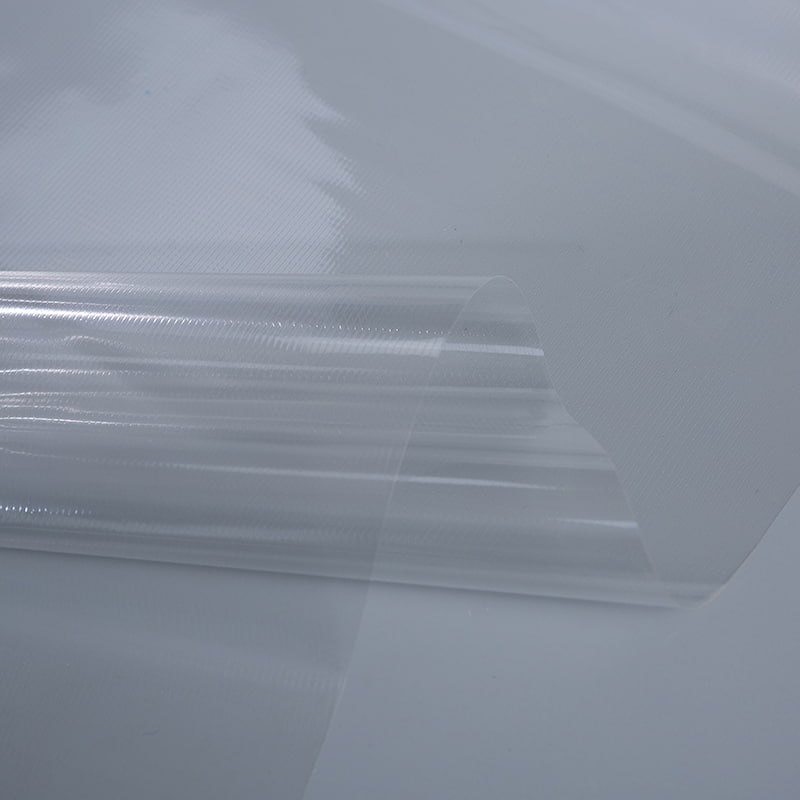
Release force — the amount of force required to peel the film from the substrate — is the specification most likely to cause production problems if mismatched to the application. It is typically measured in grams per 25mm or 50mm width and ranges from as low as 5g for ultra-light release to over 200g for tight-release applications where the film must stay bonded through multiple processing steps before removal.
- Light release (5-30g/25mm) suits pressure-sensitive adhesive tape production, where the film must separate without stretching the tape
- Medium release (30-80g/25mm) is common in FPC (flexible printed circuit) lamination
- Heavy release (80g+/25mm) is used where the film must resist premature separation during high-pressure lamination cycles
Requesting the release force tested at the buyer's actual peel speed and angle, rather than the mill's standard test parameters, avoids mismatches that only surface once the film is running on production equipment.
Thickness, Heat Resistance, and Key Specifications
PET release film thickness ranges from roughly 12 microns for light-duty covering applications up to 250 microns for film that must resist puncture or stretching under mechanical load. The PET base itself is stable up to approximately 150°C for continuous exposure, though short excursions to 200°C during hot-press cycles are generally tolerated without dimensional distortion.
| Application | Typical Thickness | Release Level |
|---|---|---|
| Adhesive tape processing | 25-50 microns | Light |
| FPC / PCB lamination | 50-75 microns | Medium |
| Composite / prepreg layup | 75-125 microns | Medium-Heavy |
Sourcing Considerations for Bulk Orders
When sourcing PET release film at volume, silicone transfer level — the amount of silicone residue left on the bonded surface after peeling — is a specification that generic product sheets often omit but that matters significantly for applications like optical or electronic components where contamination causes downstream defects. Buyers in these sectors should request low-silicone-transfer or non-silicone film grades specifically.
- Confirm silicone transfer rate for surface-sensitive applications, and request non-silicone alternatives where needed
- Verify release force is tested at the buyer's actual peel angle and speed, not just the supplier's standard method
- Check haze and transparency ratings if the film will be used in optical bonding or inspection processes
- Request roll width and core diameter tolerances in writing, since mismatches here are a common cause of shortfall on large production orders