 En
En  中文简体
中文简体 西班牙语
西班牙语

Article Directory
What Self Adhesive Vinyl Is and How It Works
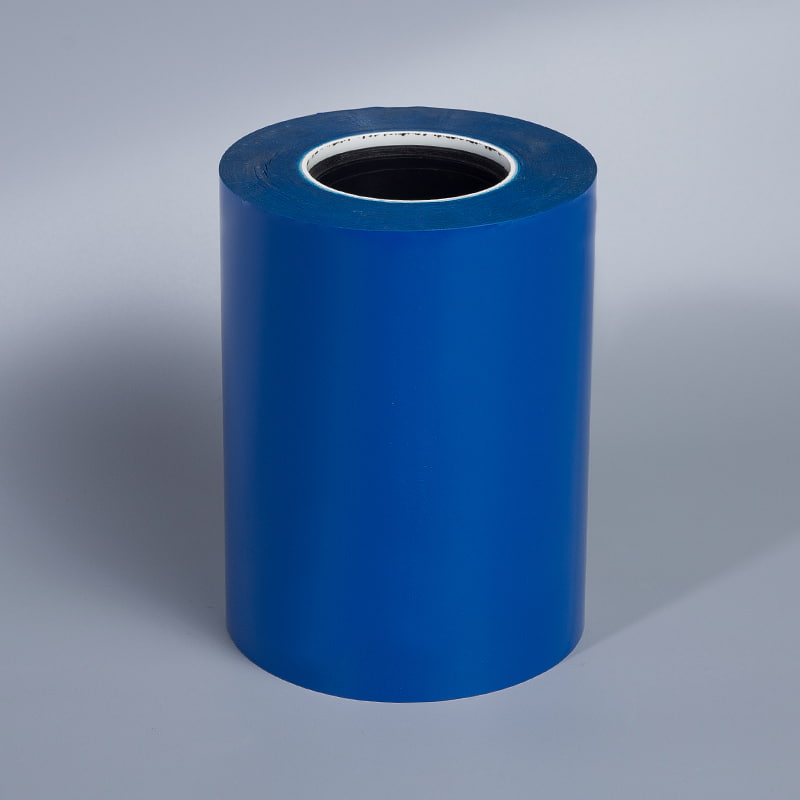
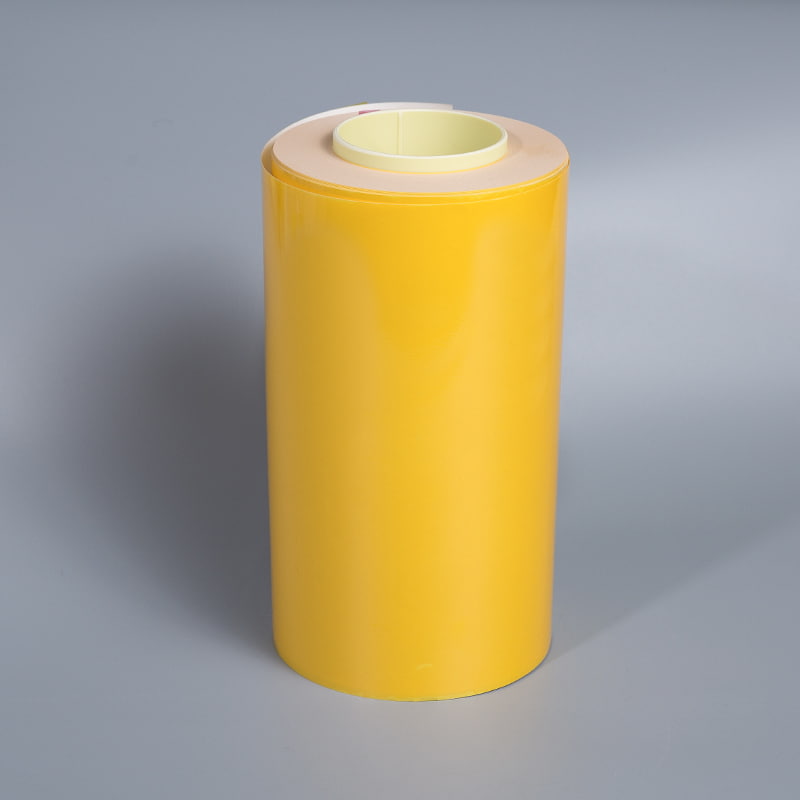
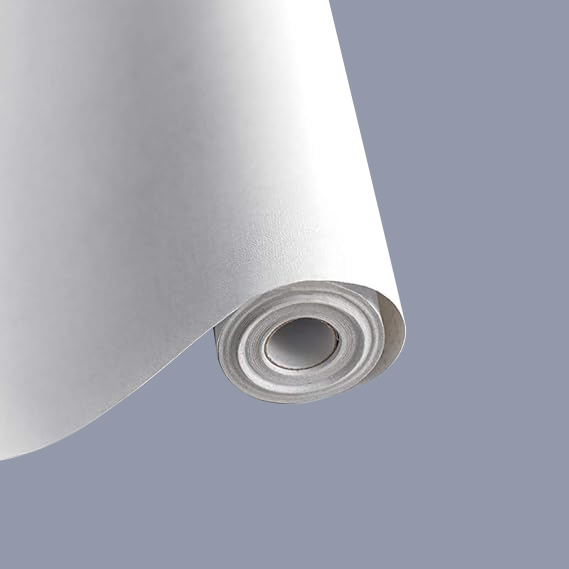
Self adhesive vinyl is a flexible plastic film with a pressure-sensitive adhesive pre-applied to one side and a release liner (backing paper) protecting it until application. When you peel the liner and press the film onto a surface, the adhesive bonds on contact—no heat, no solvent, no separate glue required. The result is a clean, repositionable (or permanent) surface covering that can carry printed graphics, solid colors, textures, or protective finishes.
The film layer is typically made from calendered or cast PVC, though polyester, polypropylene, and specialty polymer films are used for specific applications. Thickness generally ranges from 75 to 150 microns for the film alone, with the adhesive layer adding another 20–40 microns. The total laminate—film, adhesive, and liner—is what you handle before application.
Calendered vs Cast Vinyl: The Difference That Matters Most
The manufacturing method defines how the vinyl performs in real-world conditions, and the distinction between calendered and cast film is the most important specification to understand before purchasing.
Calendered vinyl is produced by pressing PVC compound through a series of heated rollers (a calender) to form a continuous sheet. The process introduces internal stress into the film. Over time—especially under UV exposure or heat—that stress releases, causing the film to shrink. Calendered films typically offer 3–5 years outdoor durability on flat surfaces and are well-suited for short-term graphics, indoor applications, and budget-sensitive projects. They are stiffer, which makes them harder to apply on curved or corrugated surfaces without wrinkling.
Cast vinyl is manufactured by pouring liquid PVC compound onto a casting sheet and allowing it to cure. Because the film is never mechanically stressed during production, it has minimal memory—it conforms to curves, rivets, and complex contours without lifting or fishmouthing. Cast films deliver 7–12 years outdoor durability and are the standard for vehicle wraps, fleet graphics, and any application involving compound curves. The tradeoff is cost: cast vinyl typically runs 30–60% more per square meter than equivalent calendered product.
| Property | Calendered Vinyl | Cast Vinyl |
|---|---|---|
| Outdoor durability | 3–5 years | 7–12 years |
| Conformability | Flat and simple curves only | Complex curves, rivets, corrugations |
| Shrinkage over time | Moderate to high | Minimal |
| Typical cost | Lower | 30–60% higher |
| Best for | Indoor signage, flat panels, short-term promos | Vehicle wraps, fleet graphics, long-term outdoor |
Adhesive Types and When Each Is the Right Choice
The adhesive layer is as important as the film. Self adhesive vinyl comes with several adhesive formulations, each optimized for different conditions:
- Permanent adhesive: Bonds aggressively within minutes of application and becomes increasingly difficult to remove over time. Standard choice for outdoor signage, fleet graphics, and any application where longevity matters more than removability.
- Removable adhesive: Lower initial tack; can be repositioned during installation and cleanly removed for months or years without leaving adhesive residue. Used for retail window graphics, short-term promotions, wall decals, and rental-property applications.
- Air-egress / microperforated adhesive: Features microscopic channels that allow air bubbles to escape during installation, eliminating the most common application error. Premium product lines from major manufacturers include this as standard; it significantly reduces installation time on large panels.
- High-tack adhesive: Formulated for difficult low-energy surfaces like PP, PE, powder-coated metals, and textured substrates where standard adhesives fail to achieve adequate bond strength.
- Freezer-grade adhesive: Maintains bond integrity at temperatures as low as -40°C, used for cold-room signage, refrigerated transport markings, and food-service labeling.
Surface Compatibility and Preparation
Self adhesive vinyl bonds reliably to most high surface energy materials: glass, painted metal, aluminum composite panels, acrylic, and sealed wood. Adhesion becomes problematic on low-energy plastics (polypropylene, polyethylene), heavily textured surfaces, and substrates contaminated with dust, silicone, grease, or wax.
Surface preparation follows a consistent sequence regardless of substrate: clean with isopropyl alcohol (70% minimum concentration), allow to fully evaporate, then apply. For vehicle wraps, a dedicated panel wipe and edge cleaning step is added to remove wax and detailing products that accumulate in panel gaps. Application temperature matters: most pressure-sensitive adhesives perform best between 10°C and 35°C; below 10°C, initial tack drops significantly and post-heating with a heat gun is required to activate the adhesive properly.
Finish Options and Their Practical Impact
Self adhesive vinyl is available in a wide range of surface finishes, each with different optical, tactile, and functional characteristics:
- Gloss: High reflectivity, vibrant color reproduction, easy to clean. Shows fingerprints and micro-scratches more readily. Standard for outdoor advertising and retail display.
- Matte: Diffuse surface reduces glare and hides surface imperfections beneath the film. Popular for vehicle wraps and interior wall graphics where a premium, non-reflective look is desired.
- Satin: Mid-point between gloss and matte; offers color depth without strong specular reflection. Common for architectural and point-of-sale applications.
- Textured finishes (brushed metal, carbon fiber, leather grain): Decorative films designed to replicate material appearance. Used in automotive interior trim, furniture facing, and retail fixture wrapping.
- Reflective: Incorporates glass bead or microprismatic retro-reflective layers for nighttime visibility. Required by regulation for road signs, vehicle markings, and safety signage in most jurisdictions.
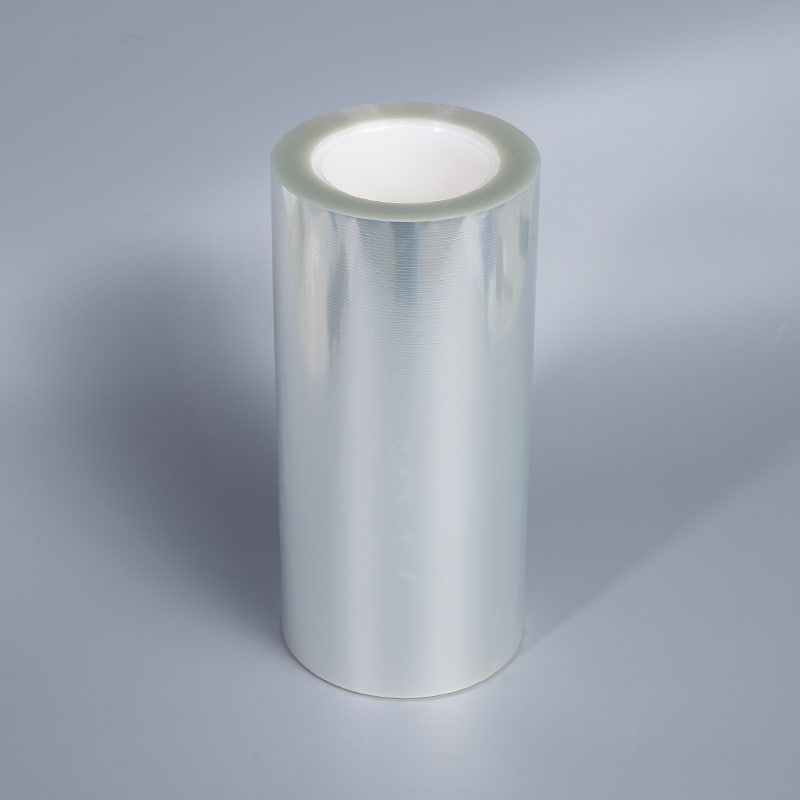
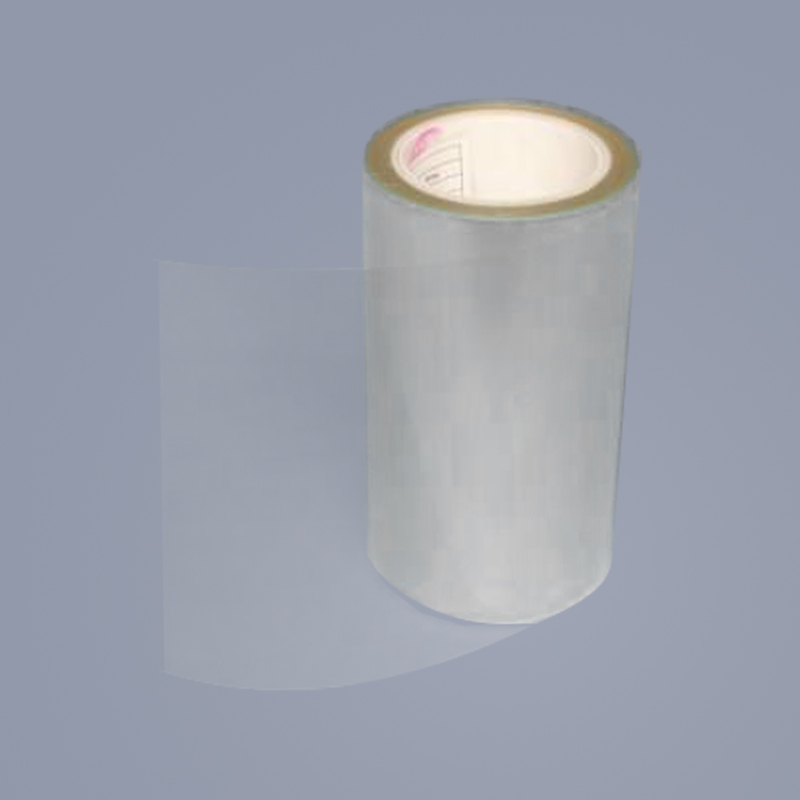
- Transparent / clear: Film is optically clear, allowing the substrate color or texture to show through. Used for window graphics, protective overlaminates, and "invisible" surface protection film.
Printability: Solvent, Latex, and UV Inkjet Compatibility
Most self adhesive vinyl sold for graphics applications is designed to accept wide-format inkjet printing. Compatibility depends on the ink technology in use:
- Eco-solvent and solvent inks: The dominant technology for outdoor graphics. Inks penetrate the PVC surface layer and bond mechanically, giving excellent outdoor durability—3–5 years unlaminated, 5–7 years with overlaminate.
- Latex inks: Water-based with polymer binders; require a specifically coated vinyl surface. Produce lower VOC output than solvent, with comparable outdoor durability when laminated.
- UV-curable inks: Cure instantly under UV lamps; sit on top of the surface rather than penetrating it. Require overlamination for outdoor use to protect the ink layer from abrasion and UV degradation.
Always verify that the vinyl specification sheet lists compatibility with your specific printer and ink combination. Using mismatched media is one of the most common causes of ink adhesion failure, color shift, and premature delamination in printed graphics.