 En
En  中文简体
中文简体 西班牙语
西班牙语

Article Directory
Self-adhesive vinyl is used for a vast range of applications—from permanent outdoor signage and vehicle wraps to removable wall decals and product labels. Yes, it is functionally identical to peel-and-stick vinyl; both terms refer to a material with a pressure-sensitive adhesive backing. When it comes to fabric, standard self-adhesive vinyl is not suitable—it will not bond reliably and will peel off. Instead, heat transfer vinyl is the correct choice for textiles. In terms of longevity, indoor applications can last over 10 years, while outdoor durability ranges from 1 year to 8 years depending on whether you choose a calendered or cast film.
What Is Self-Adhesive Vinyl Used For?
The versatility of self-adhesive vinyl makes it one of the most widely used materials in the sign, graphics, and craft industries. Because it can be cut into intricate shapes and applied with nothing more than pressure, it serves both one-off creative projects and high-volume commercial production. Common uses include:
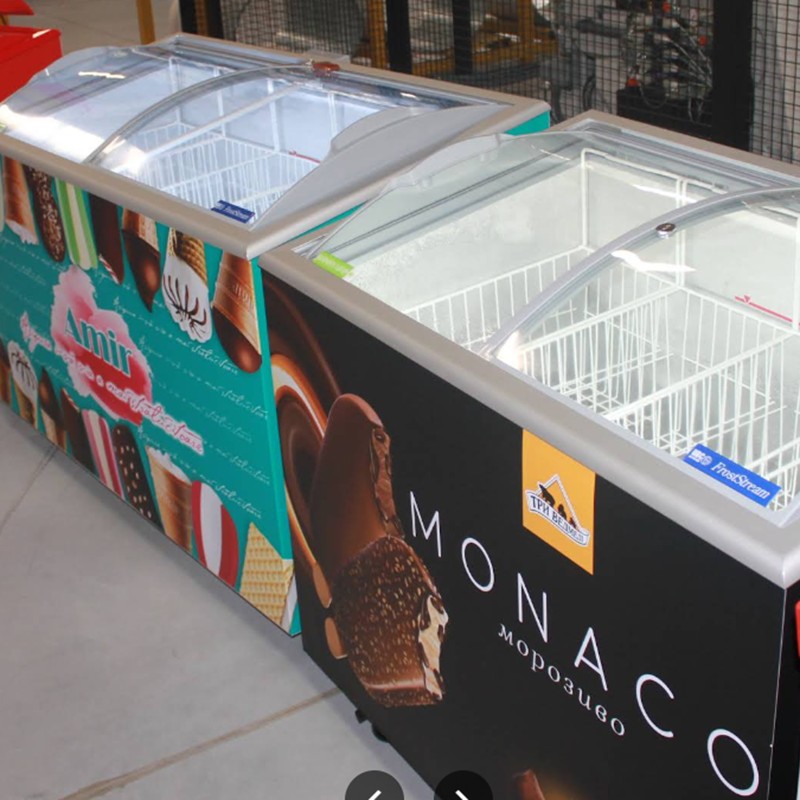
- Signage and displays — Window graphics, point-of-purchase displays, and storefront lettering often use self-adhesive vinyl for its excellent color saturation and clean weeding properties.
- Vehicle wraps and decals — High-performance cast vinyl films conform to curved surfaces and withstand road conditions, enabling full or partial vehicle wraps that can last 5 to 8 years outdoors.
- Wall art and home decor — Removable vinyl decals offer a commitment-free way to customize interiors; premium wall-grade films can stay up for over 10 years indoors without leaving residue upon removal.
- Labeling and product branding — From durable equipment labels to cosmetic packaging, self-adhesive vinyl provides a professional, water-resistant finish.
- Floor graphics — Slip-resistant, over-laminated vinyl films are widely used for directional signage in retail stores and warehouses, enduring foot traffic for 6 to 18 months before replacement.
- Craft projects and die-cutting — Hobbyists use electronic cutting machines to produce personalized stickers, mug decals, and heat-transfer designs, driving a market worth over $2 billion globally in consumer crafting supplies.
These diverse uses rely on one fundamental property: a pressure-sensitive adhesive that forms a strong, instant bond with smooth, clean surfaces. The bonding strength typically increases over the first 24 hours, reaching near-maximum adhesion once the adhesive has fully wetted the surface.
Is Self-Adhesive Vinyl the Same as Peel and Stick?
Yes—self-adhesive vinyl and peel-and-stick vinyl are the same category of product. Both terms describe a vinyl film with a pressure-sensitive adhesive coated on one side and protected by a release liner. The user simply peels off the backing paper and sticks the material to the target surface without needing heat, water, or additional glue. You may also encounter the terms "sticky back vinyl," "adhesive-backed vinyl," or "pressure-sensitive vinyl," all of which refer to the same concept.
There can be slight differences in marketing usage. Craft-focused brands often prefer "peel and stick" because it sounds more accessible to beginners, whereas industrial suppliers tend to use "self-adhesive vinyl" to emphasize performance parameters such as tack, shear strength, and temperature resistance. A high-tack self-adhesive vinyl designed for low-energy plastics, for instance, may carry a peel adhesion rating of over 25 N/25mm, making it far stronger than general-purpose peel-and-stick sheets sold for scrapbooking. Still, the underlying mechanism is identical, and the two terms can be considered interchangeable for most practical purposes.
Can Self-Adhesive Vinyl Be Used on Fabric?
Standard self-adhesive vinyl is not designed for fabric and will fail quickly if applied to clothing, upholstery, or any textile surface. Fabrics are porous, flexible, and often have a textured surface, which prevents the adhesive from making consistent contact. Even if it initially sticks, repeated flexing and washing will cause the vinyl to lift and peel away. A typical pressure-sensitive adhesive loses over 80% of its bond strength on cotton fabric after just one wash cycle.
The correct material for fabric decoration is heat transfer vinyl (HTV). Unlike self-adhesive vinyl, HTV has a heat-activated adhesive that melts into the fabric fibers under a heat press or iron, creating a permanent bond that withstands 50 or more wash cycles when applied correctly. HTV is available in the same wide range of colors, finishes, and textures as self-adhesive vinyl, but its application method makes it the only reliable choice for T-shirts, tote bags, and other fabric items. Occasionally, people will use self-adhesive vinyl on stiff, non-porous textile-like surfaces such as poly-blend canvas sneakers or laminated bags, but even in those cases, edge lifting is common and long-term durability is poor.
How Long Does Self-Adhesive Vinyl Last?
The lifespan of self-adhesive vinyl depends primarily on the vinyl grade and the environment. The table below summarizes the expected durability ranges for common film types.
| Vinyl Type | Indoor Lifespan | Outdoor Lifespan (Unprinted) | Outdoor Lifespan (Printed & Laminated) |
|---|---|---|---|
| Cast Vinyl (Premium) | 10+ years | 5 – 8 years | 3 – 5 years |
| Calendered Vinyl (Standard) | 5 – 7 years | 1 – 3 years | 1 – 2 years |
| Removable/Wall Vinyl | 2 – 5 years (removable) | Not recommended | Not recommended |
Cast vinyl lasts longer because it is manufactured with a low-shrink formulation that resists UV degradation and temperature cycling. A 50-micron cast film tested under Florida exposure conditions retained over 80% of its tensile strength after 5 years, while a comparable calendered film began to crack and shrink significantly after just 2 years. For indoor applications, both grades perform well, but cast vinyl remains the preferred choice for museum-grade wall murals and long-term architectural graphics where fading must be minimal.
Environmental factors such as direct sunlight, air pollution, salt spray, and cleaning chemicals can accelerate aging. Adding a UV-stable overlaminate to printed vinyl can extend outdoor life by 12 to 24 months, while using a certified marine-grade film can push the lifespan to 8 years even in coastal conditions. For a quick reference, short-term floor decals are designed for 6 months, intermediate films for 3 to 5 years, and architectural-grade cast films for up to 10 years indoors. Aligning the vinyl grade with the intended application and duration is the most effective way to avoid premature failure.