 En
En  中文简体
中文简体 西班牙语
西班牙语

Article Directory
- 1 Introduction to silicone coated paper for stickers
- 2 Key Factors Affecting Release Performance and Adhesion
- 3 Comparison of High-Release vs. Standard Silicone Papers
- 4 Customization Options for Different Sticker Applications
- 5 Cost-Efficiency Analysis and Best Practices
- 6 Quality Control and Handling Tips for Production
- 7 Frequently Asked Questions (FAQ)
- 7.0.1 1. How do I select the correct silicone coated paper for different adhesives?
- 7.0.2 2. What is the impact of paper weight on processing efficiency?
- 7.0.3 3. Can eco-friendly silicone coated paper replace traditional liners?
- 7.0.4 4. How does customizing silicone release paper rolls benefit production?
- 7.0.5 5. What quality control measures should be applied?
Introduction to silicone coated paper for stickers
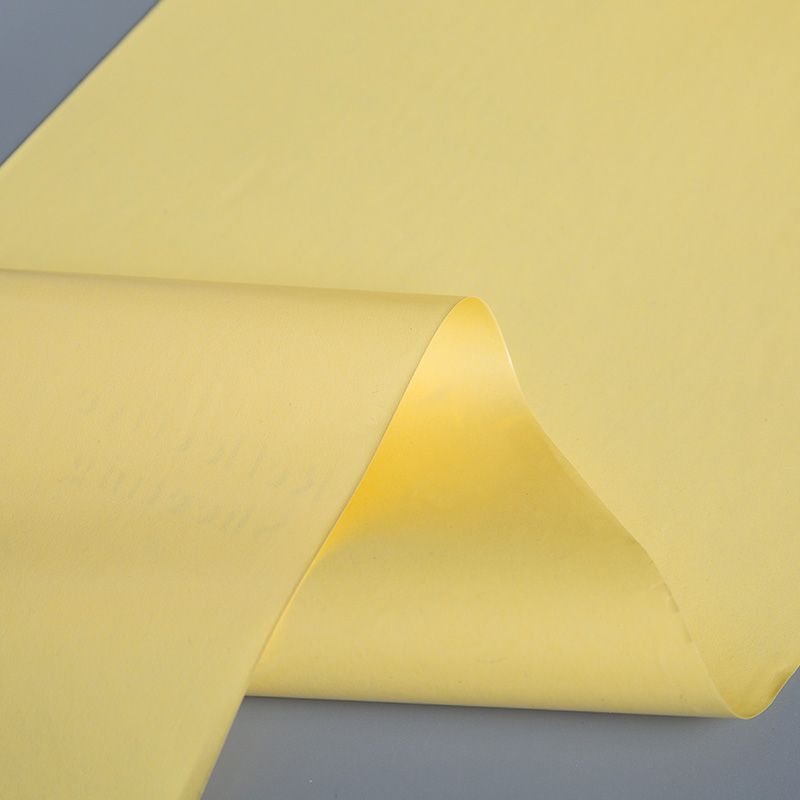
Silicone coated paper for stickers is widely used as a release liner in adhesive products. Its main function is to allow easy peeling of stickers while maintaining adhesive integrity. Industries such as labeling, electronics, medicine, and packaging rely on the right type of silicone coated paper for processing efficiency and cost-effectiveness.
Key Factors Affecting Release Performance and Adhesion
Adhesive Compatibility
The choice of silicone coating must match the adhesive type. For example, permanent adhesives require a higher release value, whereas removable adhesives need a lower release value for easy application. Using silicone coated liner for adhesive labels improves consistency and reduces production issues.
Paper Weight and Base Material
The grammage of the base paper directly affects stiffness, runnability, and cost. Lightweight papers reduce material cost but may warp during high-speed printing, whereas heavyweight silicone release paper provides better dimensional stability.
| Paper Type | Weight (gsm) | Advantages | Limitations |
| Lightweight Coated Paper | 50-70 | Low cost, easy to handle | Less stable, may curl |
| Heavyweight silicone release paper | 90-120 | Stable, compatible with high-speed processing | Higher material cost |
| Specialty Paper | 80-100 | Good balance, customizable | Moderate cost |
Comparison of High-Release vs. Standard Silicone Papers
High release silicone coated paper allows easier peeling for aggressive adhesives, reducing label damage. Standard papers are cost-effective for mild adhesives but may stick under high-temperature conditions.
Customization Options for Different Sticker Applications
- custom silicone release paper rolls for bulk labeling lines
- Eco-friendly formulations (eco-friendly silicone coated paper) for sustainable packaging
- Special coatings for heat-sensitive adhesives
Cost-Efficiency Analysis and Best Practices
Balancing paper weight, silicone coating, and adhesive type maximizes cost-efficiency. Using silicone coated liner for adhesive labels optimized for your production line minimizes material waste and reduces downtime.
Quality Control and Handling Tips for Production
- Store rolls in temperature- and humidity-controlled conditions
- Inspect coating uniformity before use
- Maintain clean equipment to avoid contamination
- Test peel force regularly to ensure consistency
Frequently Asked Questions (FAQ)
1. How do I select the correct silicone coated paper for different adhesives?
Consider the adhesive's tack, permanence, and temperature sensitivity. For high-tack adhesives, high release silicone coated paper ensures easy peeling, while for low-tack labels, standard coated paper may suffice.
2. What is the impact of paper weight on processing efficiency?
Heavyweight silicone release paper provides dimensional stability, reduces curl, and maintains runnability in high-speed die-cutting and printing operations. Lightweight papers save cost but may warp under speed.
3. Can eco-friendly silicone coated paper replace traditional liners?
Yes, eco-friendly silicone coated paper is compatible with most adhesives and provides similar release properties while reducing environmental impact.
4. How does customizing silicone release paper rolls benefit production?
Custom silicone release paper rolls tailored to your line width and adhesive type reduce changeover time, minimize waste, and improve throughput on automated labeling lines.
5. What quality control measures should be applied?
Regular peel force testing, inspection of silicone coating uniformity, proper storage, and clean equipment handling ensure consistent performance of silicone coated liner for adhesive labels and minimize defects.