 En
En  中文简体
中文简体 西班牙语
西班牙语

Article Directory
- 1 Introduction to silicone coated paper for stickers
- 2 Temperature Resistance: Effects on Sticker Storage and Application
- 3 Moisture Resistance: Maintaining Adhesion and Integrity
- 4 Comparative Analysis of Coating Thickness and Silicone Quality
- 5 Application Recommendations for Extreme Environments
- 6 Storage Best Practices and Longevity Optimization
- 7 Frequently Asked Questions (FAQ)
Introduction to silicone coated paper for stickers
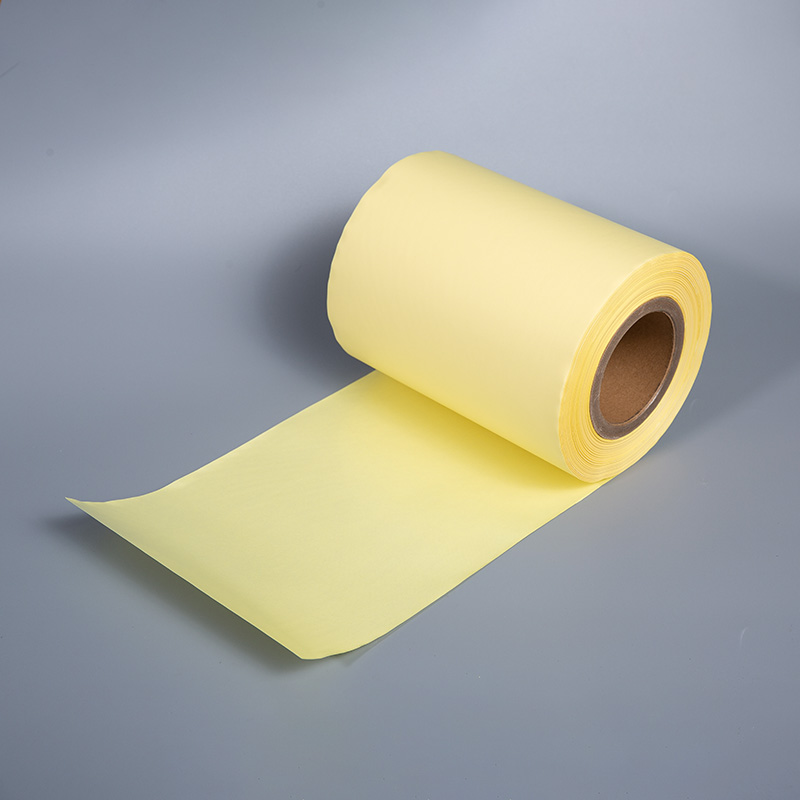
Silicone coated paper for stickers is a critical component in adhesive product manufacturing. It serves as a release liner, protecting the sticker adhesive until application. Key factors affecting performance include temperature stability and moisture resistance.
Temperature Resistance: Effects on Sticker Storage and Application
High temperature conditions can degrade adhesives or cause deformation. Using high temperature silicone release paper ensures that stickers maintain integrity during printing, shipping, or storage.
| Temperature Range | Paper Type | Impact on Sticker Adhesive |
| Up to 150°C | high temperature silicone release paper | Maintains adhesive properties, prevents deformation |
| 50-100°C | Standard silicone coated paper | Minor adhesive softening, may affect storage duration |
Moisture Resistance: Maintaining Adhesion and Integrity
Exposure to humidity can weaken sticker adhesive and cause sticking to the liner. Moisture resistant silicone coated paper is designed to prevent moisture absorption, protecting sticker performance even in high-humidity environments.
| Humidity Level | Paper Type | Effect on Sticker |
| 80% RH | moisture resistant silicone coated paper | Maintains smooth release and adhesive integrity |
| 80% RH | Standard silicone coated paper | Potential adhesive softening and sticking issues |
Comparative Analysis of Coating Thickness and Silicone Quality
The thickness of silicone and its uniformity directly affect release force and durability. Using silicone liner for sticker production with optimized coating ensures consistent release across sticker batches.
| Coating Thickness | Release Force | Durability |
| 15-18 gsm | Low-Moderate | High |
| 10-12 gsm | Moderate-High | Medium |
Application Recommendations for Extreme Environments
- heat resistant sticker release sheet: Ideal for high-temperature printing or lamination
- durable silicone backing paper: Suitable for long-term storage and shipping in humid or varying conditions
- Combining high-quality silicone and moisture-resistant paper provides optimal longevity and ease of application
Storage Best Practices and Longevity Optimization
- Store stickers in a cool, dry place to prevent premature adhesive activation
- Maintain consistent temperature and humidity levels to protect both adhesive and silicone coated paper for stickers
- Rotate stock to ensure older batches are used first, preventing long-term degradation
Frequently Asked Questions (FAQ)
1. How does temperature affect sticker adhesion?
High temperatures can soften adhesives, causing stickers to lose shape or stick prematurely. Using high temperature silicone release paper maintains adhesive integrity during printing and storage.
2. Can humidity cause stickers to stick to the liner?
Yes. Moisture resistant silicone coated paper prevents moisture absorption, ensuring smooth release and consistent sticker performance in humid environments.
3. Which silicone coated paper is best for extreme heat?
Heat resistant sticker release sheet is specifically designed for high-temperature applications, including lamination, hot stamping, or thermal transfer processes.
4. How does coating thickness influence performance?
Thicker silicone coatings generally provide lower release force and higher durability. Using silicone liner for sticker production with optimal thickness ensures uniform release and prevents damage to stickers.
5. What storage practices maximize sticker lifespan?
Store in cool, dry, and stable conditions. Use durable silicone backing paper to protect adhesive integrity. Rotate stock regularly and avoid prolonged exposure to extreme temperatures or humidity.