 En
En  中文简体
中文简体 西班牙语
西班牙语

Article Directory
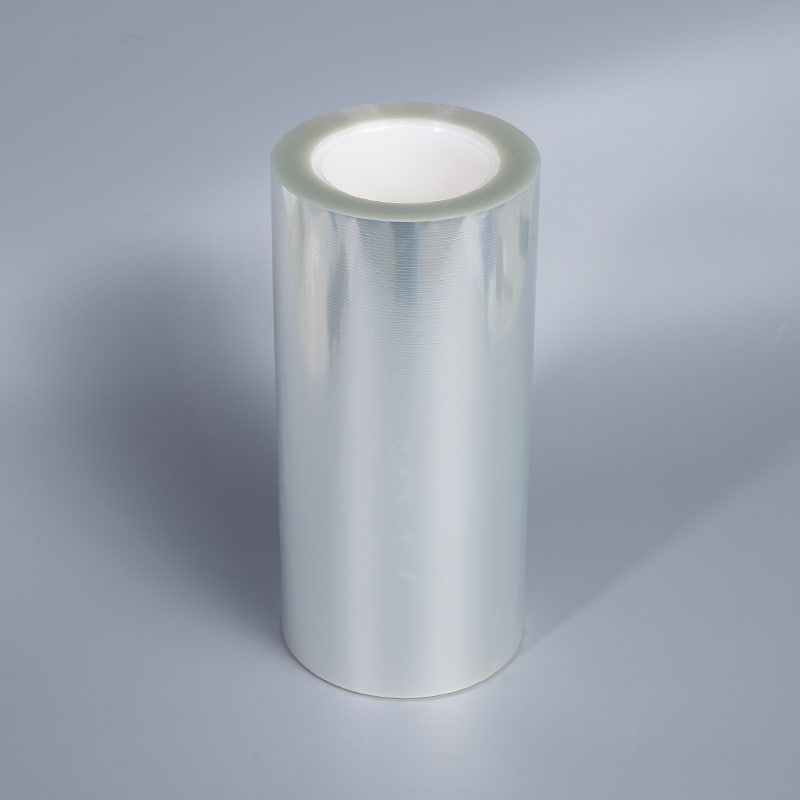
Paint protection film, often called PPF or invisible car film, is a transparent, multi-layered urethane material applied to a vehicle's painted surfaces to shield against stone chips, scratches, bug etching, and environmental contaminants. The film is typically between 150 and 200 microns thick — roughly ten times thicker than a standard clear coat — and is engineered to absorb impact energy without tearing or transferring the damage to the paint underneath. The top layer of a modern TPU paint protection film contains an elastomeric polymer that deforms under impact and then rebounds, preserving the smooth appearance of the paint.
So how does paint protection film work? When a stone or road debris hits the film at highway speeds, the energy is dispersed laterally through the polymer matrix. The top coat's elastic properties allow it to stretch rather than crack, and if the impact is severe enough to leave a mark on the film surface, the heat from the sun or a warm water pour triggers the film's self-healing mechanism. The molecular chains in the clear coat re-flow and close minor scratches and swirl marks, returning the surface to its original gloss. This process, known as self healing paint protection film technology, happens without any chemical reaction or manual intervention, and it can be repeated hundreds of times over the life of the film.
The Layers of a Modern PPF: TPU, Adhesive, and Top Coat
A typical car paint protection film is not a single sheet but a composite of four to five layers, each performing a specific function. The base is a release liner that protects the adhesive until installation. The adhesive itself is an acrylic pressure-sensitive formula designed to bond securely to clear coat without damaging it when the film is eventually removed — a key requirement for PPF car protection that must last the vehicle's lifetime without lifting or yellowing. Above the adhesive sits the core layer of thermoplastic polyurethane (TPU), the material that gives the film its impact resistance and flexibility. TPU is selected over cheaper PVC alternatives because it resists yellowing, remains pliable at low temperatures, and stretches to conform to complex panel curves without tearing or discolouring.
The outermost layer is the self-healing top coat, which is the functional surface of the invisible car film. This clear coat is formulated with elastomeric resins that have a low glass transition temperature, so that at ambient temperatures around 25°C to 40°C the polymer chains have enough mobility to flow and close microscopic scratches. Some premium top coats also incorporate hydrophobic properties, causing water to bead and carry away dirt, reducing the need for frequent washing. The total system — release liner, adhesive, TPU core, and top coat — is manufactured in a clean-room environment to eliminate dust inclusions that would be visible under the film. When installed by a trained technician, the paint protection film becomes virtually invisible, preserving the original paint colour and metallic flake without adding orange peel or haze.
Paint Protection Film Benefits: Beyond Stone Chip Defence
The primary paint protection film benefits go well beyond guarding against road debris. The film creates a physical barrier against oxidation, acid rain etching, and UV radiation that would otherwise degrade the clear coat over years of exposure. A vehicle treated with car paint protection film for stone chips on the front bumper, hood, and mirror caps retains its original factory finish even after tens of thousands of highway kilometres. Unlike ceramic coatings, which offer chemical resistance but minimal impact protection, PPF absorbs the kinetic energy of a pebble travelling at 100 km/h, preventing the characteristic white pockmarks that devalue a car's appearance.
The table below summarises the key protective functions of a modern TPU paint protection film compared to alternative surface treatments.
| Protection Feature | TPU Paint Protection Film | Ceramic Coating | Carnauba Wax |
|---|---|---|---|
| Impact resistance (stone chips) | Excellent — absorbs and disperses energy | Poor — no impact protection | None |
| Self-healing of swirl marks | Yes — heat-activated elastomer | No | No |
| UV and oxidation barrier | Yes — physical barrier | Good — sacrificial layer | Minimal — weeks only |
| Longevity | 7–10 years | 2–5 years | 2–3 months |
Additional paint protection film benefits include easier cleaning. The hydrophobic top coat on many TPU paint protection film products creates a contact angle above 90 degrees, meaning water beads and rolls off, taking loose dirt with it. Insect splatter and bird droppings, which can etch into unprotected clear coat within hours, sit on top of the film where they can be wiped away without trace. For a car owner, this means fewer swirl marks from washing and a consistently glossy appearance that does not require monthly waxing or polishing.
Self-Healing Paint Protection Film: The Science of Scratch Recovery
Self healing paint protection film represents the current state of the art in PPF car protection. The healing mechanism relies on the viscoelastic behaviour of the top coat polymer. At ambient temperatures, the polymer is below its glass transition temperature and behaves as a rigid solid. When a scratch or swirl mark deforms the surface, the polymer chains are pushed aside but remain intact. Applying heat — whether from the sun's infrared radiation, a hot water pour at 60–70°C, or a heat gun — raises the polymer above its transition temperature. The chains regain mobility, relax back to their original configuration, and the scratch disappears. This cycle is repeatable and does not deplete any chemical agent; it is a purely physical relaxation process.
The effectiveness of self-healing differs between film grades. A premium invisible car film with a dense elastomeric top coat can heal a fine scratch from a fingernail or a brush car wash within 30 seconds of exposure to 40°C water. Deeper scratches that cut through the top coat into the TPU layer will not heal, which is why the film remains sacrificial in extreme cases. However, even when the film is permanently marked by a sharp stone, it has done its job: the underlying paint is intact. The self-healing property primarily protects the film's optical clarity from the accumulation of fine wash marring that makes unprotected paint look dull over time. A vehicle with car paint protection film that is regularly washed will maintain a near-new gloss level for years.
Choosing the Right Invisible Car Film for Your Vehicle
When evaluating different car paint protection film products, focus on the TPU grade and the top coat formulation. Films that use an aromatic TPU will yellow visibly within 12–24 months of UV exposure, especially on white or light-coloured vehicles. Aliphatic TPU, which has a different molecular structure that resists UV degradation, remains clear for its entire service life and is the only acceptable choice for a full-body PPF car protection installation. The top coat should be validated with an accelerated weathering test such as SAE J2527, demonstrating less than 2 Delta E colour shift after 3,000 hours of Xenon arc exposure.
The thickness of the TPU paint protection film also determines the level of impact protection. A standard 150-micron film is adequate for most daily driving, where stone chips from highway commutes are the primary concern. For off-road vehicles or cars used on gravel roads, an 200-micron film provides a larger safety margin against larger projectiles. Track-focused owners often apply a double layer on high-impact zones such as the front bumper and lower rocker panels. Regardless of the film chosen, the installation quality determines the final result: a skilled installer uses plotter-cut templates matched to the vehicle's VIN, wraps edges wherever possible to prevent dirt ingress, and post-heats the film to relax stretch marks and activate the self-healing top coat. When the question is what is paint protection film worth, the answer is measured in the resale value of a chip-free original paint finish and the satisfaction of looking at a glossy car years after it left the showroom.