 En
En  中文简体
中文简体 西班牙语
西班牙语

Article Directory
Premium cast vinyl wraps installed by certified technicians typically last 5 to 7 years, which answers the question of how long do car wraps last for most daily-driven vehicles. A paint shop owner in Austin reported a 4,500 USD wrap that began lifting at the rear bumper after 14 months, while a fleet manager in the same city had an identical material on a parked van for 6 years without visible degradation. The material was not the variable. The parking exposure, wash routine, and edge treatment were.
How Long Do Car Wraps Last by Material Grade
A car wrap lifespan is a function of film polymer quality and adhesive formulation, not a single warranty number. Budget calendered vinyl tops out around 2 years; premium cast vinyl reaches 5 to 7 years; TPU paint protection film extends beyond 10 years.
Cast vinyl uses a solvent-based polymer that stays flexible for years, while calendered vinyl is extruded and tends to shrink when heated. For daily-driven vehicles in variable climates, the extra cost of a cast film is recovered through reduced edge lifting and color shift. The adhesive layer also determines how cleanly a wrap removes at end of life, a factor that matters for leased vehicles and resale value.
The most common mistake is choosing a heavily discounted film without checking its cold-flex rating. A low-cost calendered film can look flawless at installation but will crack at the edges within the first winter in northern climates.
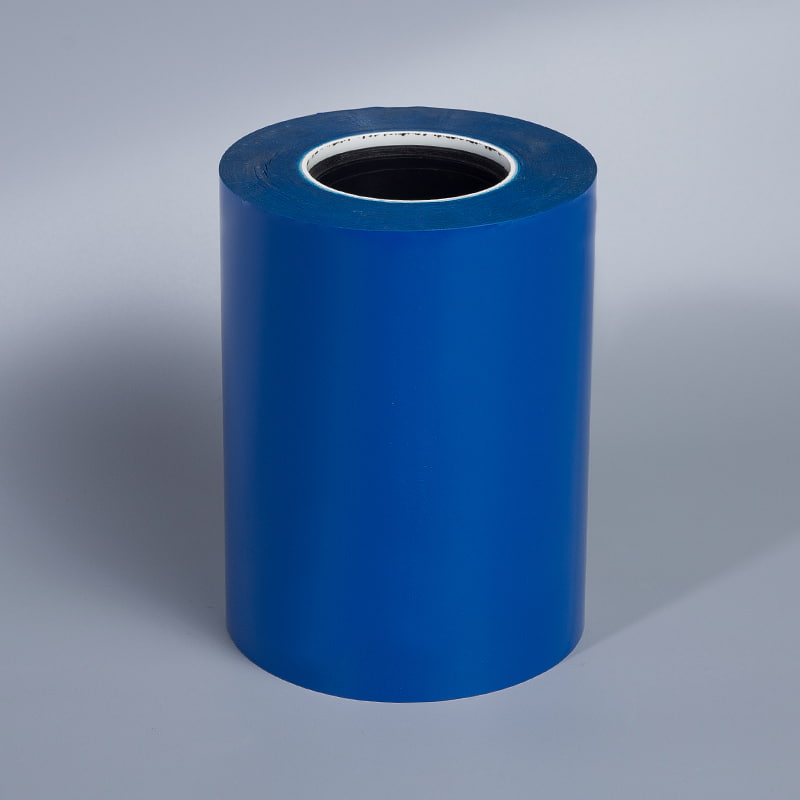
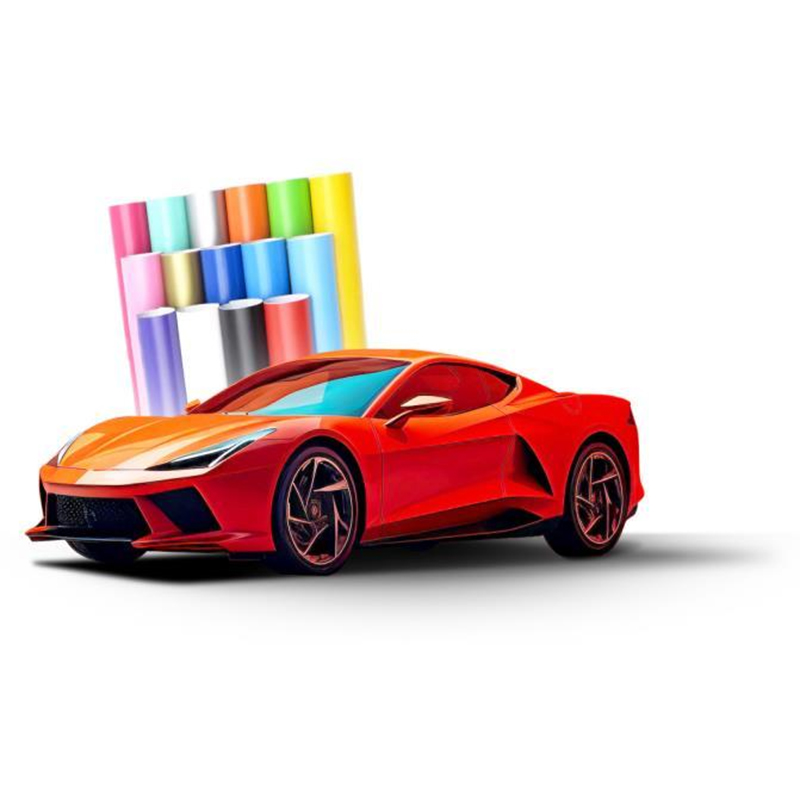 Cast Vinyl Car Wrap with Durable Color and AdhesionUnlike budget calendered films that crack in cold climates, this cast vinyl uses release-film polyester technology for long-lasting color flexibility and strong adhesive bond, even under high UV exposure.View Product →
Anhui Hengbo New Material Co., Ltd. manufactures cast vinyl with the same polyester film technology used in their release film production lines. Premium cast car wrap vinyl maintains color flexibility and adhesive bond better than budget calendered options, especially in regions with high UV index.
What Shortens a Car Wrap Life Faster Than Expected
UV radiation and improper washing cause more premature wrap failures than adhesive defects or vinyl quality issues.
- Prolonged UV exposure breaks down the polymer chain and causes the color layer to fade or oxidize.
- Automatic car wash brushes grind road grit into the film surface, creating micro-scratches that become visible in bright light.
- Alcohol-based or solvent-heavy cleaners strip the top coat and leave wrap edges vulnerable to delamination.
- Parking under trees exposes the film to sap and bird droppings that etch the clearcoat in a matter of days.
- High-pressure pressure washers aimed at edges lift the adhesive and allow water to migrate beneath the film.
Key data point: More than 60% of wrap removals reported to installers occur before the 3-year mark because of preventable edge lift or film cracking, not because the vinyl reached its rated life.
Wrapping a vehicle does not protect it from physical damage. A vinyl wrap is a cosmetic layer, and shop owners routinely warn that a wrap will tear if a car door is scraped against a concrete pillar. That is a main reason many owners move to PPF for high-risk panels.
Climate zone matters significantly. A wrap installed in Seattle often outlasts the same product in Phoenix by 1 to 3 years simply because of lower UV index and less extreme temperature swing. For fleet operators, tracking home garage versus street parking for each vehicle is a useful predictor of replacement budget.
Proven Steps to Extend a Car Wrap Lifespan
Regular hand washing with pH-neutral soap plus a cured ceramic topcoat adds 1 to 2 years of usable life to a high-grade vinyl wrap.
- Install and let the wrap fully outgas for 2 to 4 weeks before applying any protective coating.
- Wash weekly with pH-neutral automotive soap and a microfiber mitt, never a stiff brush.
- Dry with a soft chamois and avoid dragging edges with a squeegee or credit card.
- Apply a ceramic coating rated for vinyl wrap to block UV and reduce surface contamination.
- Inspect all edges every 6 months; a small heat-set with an industrial heat gun can re-adhere lifting.
Rule of thumb: One hour of preventive edge inspection every six months costs almost nothing and avoids full-wrap replacement set-backs.
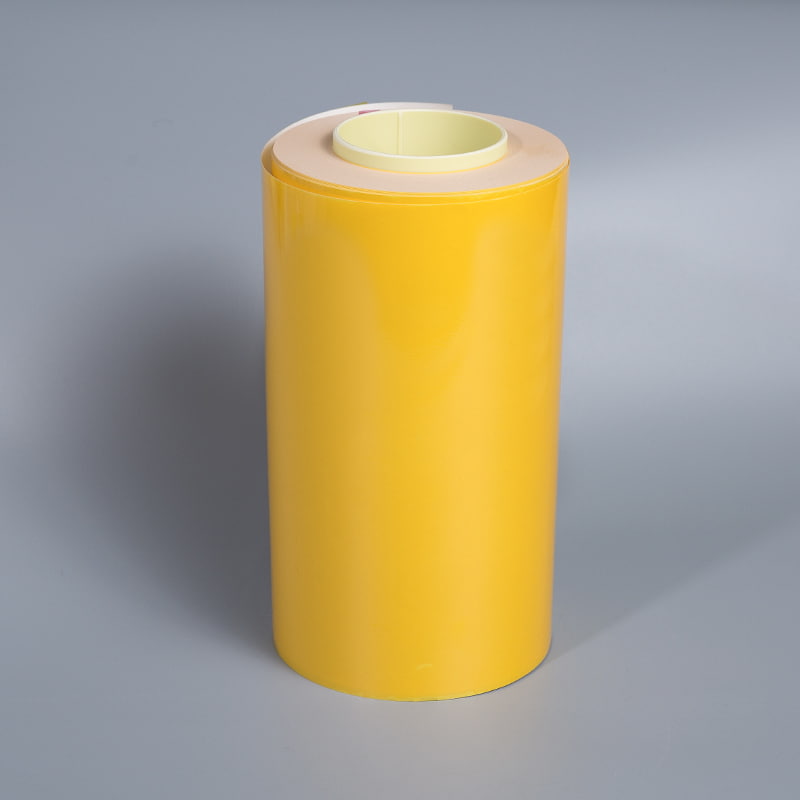
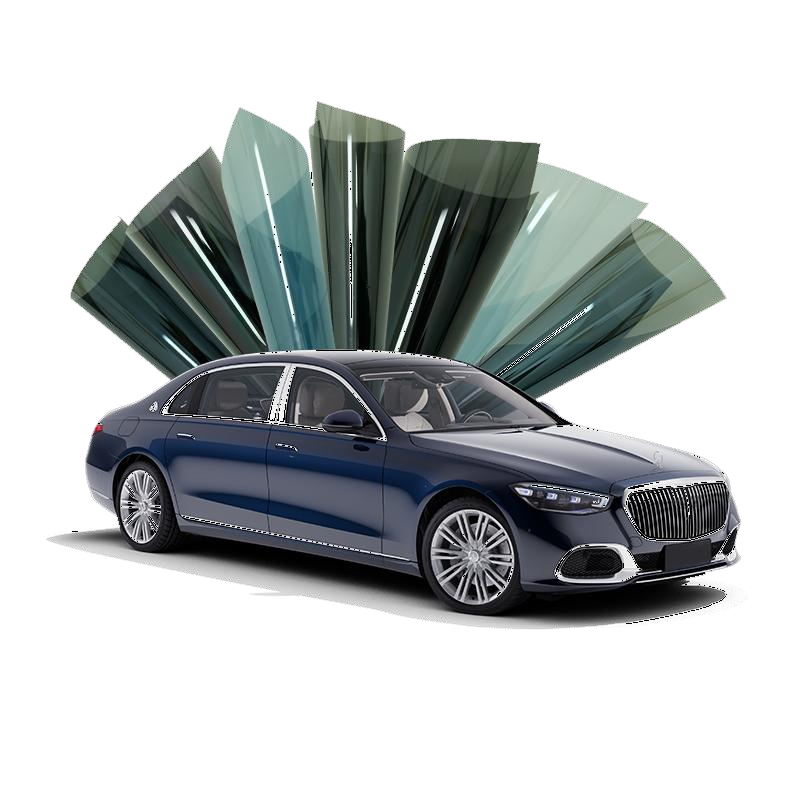 Solar-Rejecting Window Film with Self-Healing Top CoatThis window film reduces cabin surface temperature to slow polymer breakdown on wraps, and its TPU-based self-healing top coat responds to heat or warm water, protecting the vehicle's finish.View Product →
For vehicles parked exclusively outdoors, an added benefit comes from pairing a solar-rejecting window film that reduces the cabin surface temperature. Lower thermal load on the wrap surface, especially on horizontal panels like the roof and hood, slows the polymer breakdown that shortens service life. Some TPU-based products also carry a self-healing top coat that reacts to heat from the sun or warm water, reducing the need for annual deep cleaning.
Car Wrap vs Paint Protection Film: Choosing Based on Lifespan
A vinyl wrap protects paint aesthetics for 3 to 7 years, while TPU-based paint protection film (PPF) defends against stone chips and physical impact for 7 to 10 years.
| Attribute | Cast car wrap vinyl | TPU paint protection film |
| Rated lifespan | 5 to 7 years | 7 to 10 years |
| Primary function | Color change and aesthetics | Impact and scratch protection |
| Self-healing top coat | No | Yes |
| Thickness range | 90 to 120 microns | 150 to 200 microns |
| Stone chip resistance | Minimal | High impact absorption |
If the priority is cosmetic transformation, a wrap is the logical choice. If the priority is preserving original paint through road debris and daily wear, a TPU PPF is the longer-term solution.
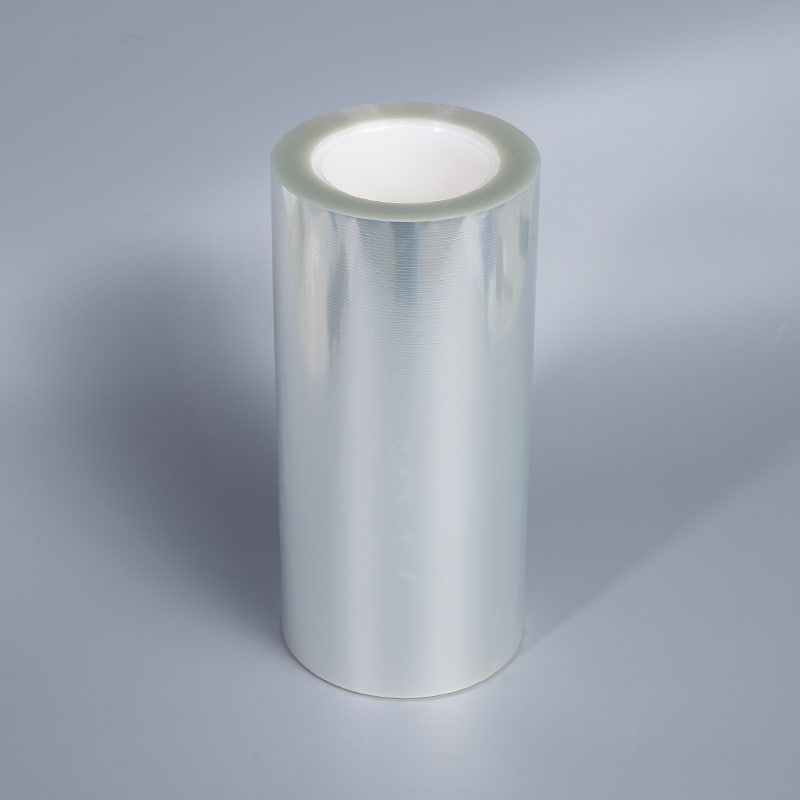
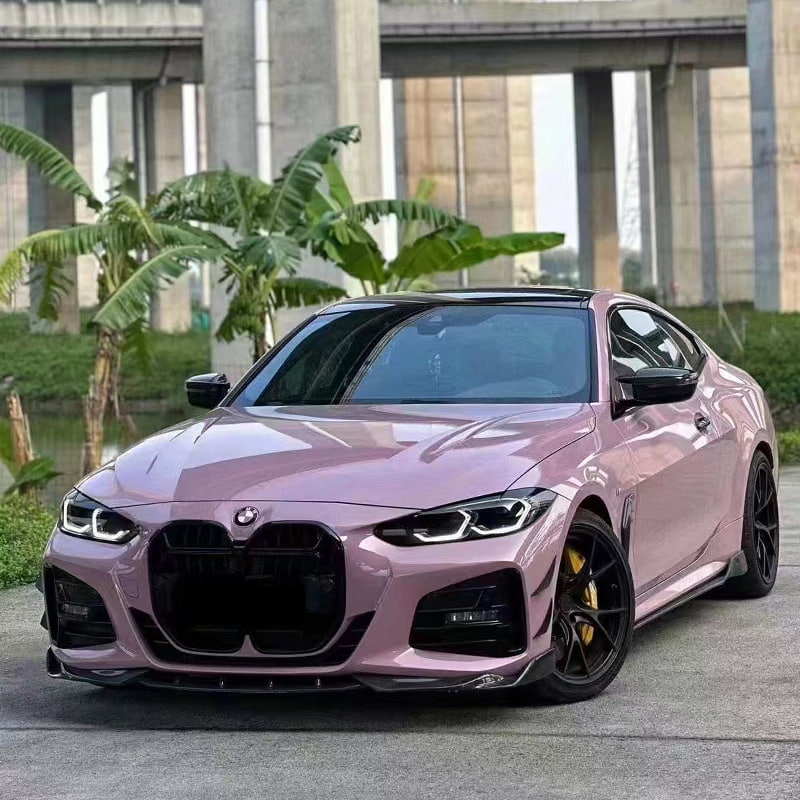 TPU Paint Protection Film for High-Impact ZonesThis transparent TPU film shields original paint from road debris and daily wear on bumpers and hoods, offering long-term protection when combined with a color wrap.View Product →
Many owners combine both, applying a wrap for color over a PPF layer on high-impact zones such as the bumper and hood. For fleet and family vehicles, the protection differences become obvious over time. Review the detailed paint protection film guide to compare installation options.
The installation cost difference also matters: a full car wrap takes 2 to 4 days of labor, while a full PPF installation typically needs 4 to 7 days. The longer labor requirement is a reason PPF costs are higher across the market.
Cost-per-year check: A 5-year wrap at 3,500 USD costs 700 USD per year. A 10-year PPF at 6,000 USD costs 600 USD per year despite the higher upfront price.
Warning Signs That a Car Wrap Has Reached End of Life
Edge lifting, chalky color, and micro-cracking in the film are the three definitive signals that a wrap no longer protects the paint underneath.
- Edges curl and expose the adhesive or the original paint line.
- The surface becomes matte or chalky on top panels despite cleaning.
- Small spiderweb fractures spread across the film under flex stress.
- The wrap peels when you apply masking tape during maintenance work.
Practical check: Press a piece of clear tape into the film, then pull. If adhesive transfers onto the tape, the wrap has degraded past safe removal and should be replaced.
Frequently Asked Questions
How long does a car wrap last if I drive every day?
Daily driving on highways and city streets does not reduce the film's rated life by itself. The primary accelerators are UV exposure, road salt, and automatic car wash abrasion. A daily-driven car parked in a garage will typically outlast the same car parked in an open lot by 1 to 2 years.
Does washing a car wrap shorten its lifespan?
Improper washing does. High-pressure washers and brushes with stiff bristles lift edges and scratch the top coat. Hand washing or touchless washing with pH-neutral soap, then air-drying with a microfiber towel, preserves the film's protective layer and adhesive bond.
Can a car wrap outlast 7 years?
Yes, with brand-premium cast vinyl, a ceramic top coating, and shaded parking it is possible to extend past 7 years. However, UV-harsh regions or neglected edge maintenance usually bring replacement earlier. Always inspect the film for cracking before assuming it still protects against impact or exposure.
Is a car wrap or PPF better for long-term protection?
TPU-based paint protection film is better for long-term physical protection because it absorbs stone strikes and self-heals. Car wrap vinyl is better for rapid cosmetic change and is easier to remove cleanly when the color conversion is no longer desired.