 En
En  中文简体
中文简体 西班牙语
西班牙语

Article Directory
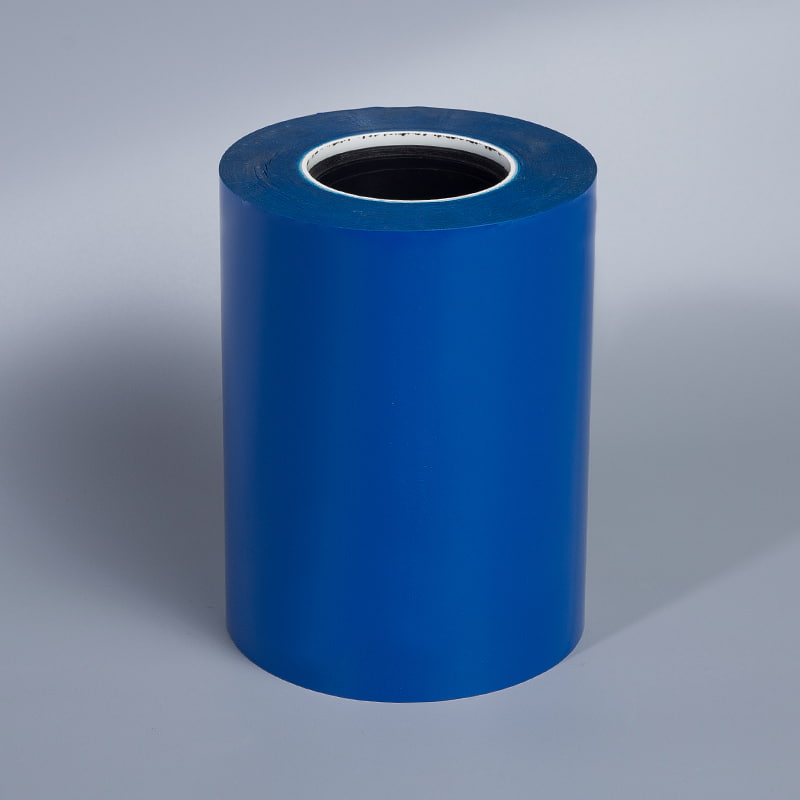
Paint protection film (PPF) is a nearly invisible urethane-based shield that protects a vehicle’s painted surfaces from physical and environmental damage. For car owners seeking to maintain a flawless finish, this technology offers a long‑term defense against rock chips, scratches, and fading. Rather than replacing a damaged bumper or repainting a hood, car paint protection film can absorb the impact and preserve the factory paint underneath.
What Is Paint Protection Film?
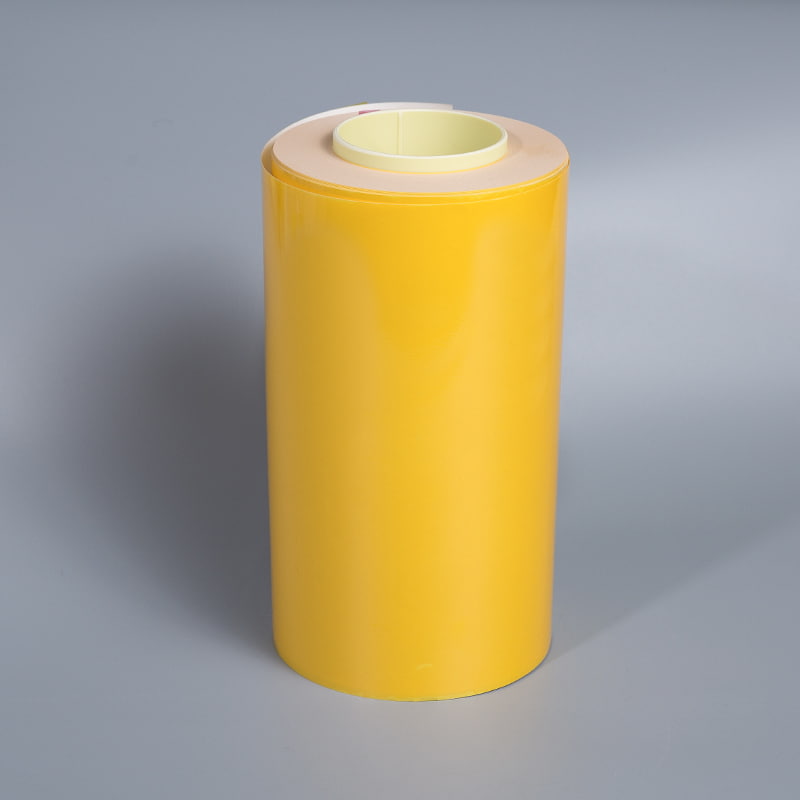
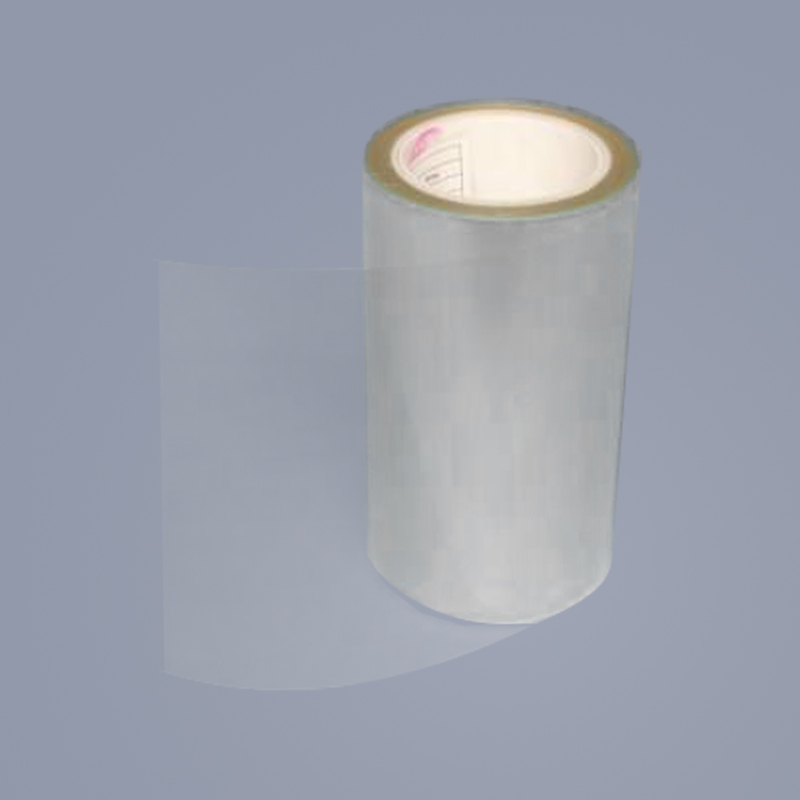
Paint protection film is a multi‑layered thermoplastic urethane material, originally developed for military helicopter blades to resist debris erosion. Today, paint protection film for cars is precision‑cut by software and applied to high‑impact areas such as the front bumper, hood, fenders, and mirror caps. The film typically measures between 6 and 10 mils (0.006–0.010 inches) thick, making it durable yet flexible enough to conform to complex curves.
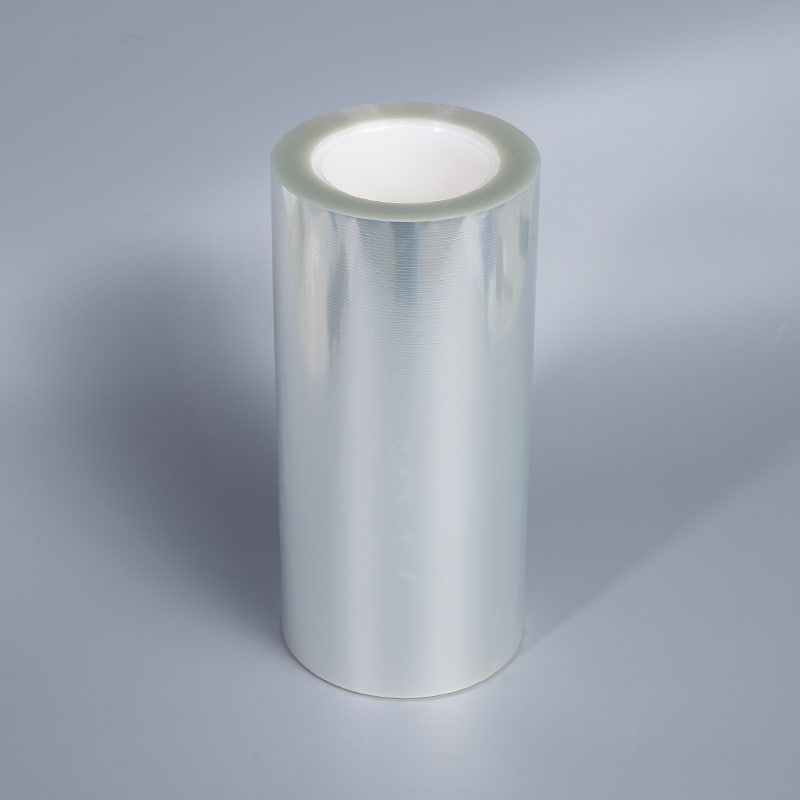
When someone asks what is paint protection film, the simplest answer is that it acts like a sacrificial layer. It takes the damage that would otherwise etch into the clearcoat, keeping the underlying paint untouched. This clarity is what makes clear paint protection film particularly popular — once installed, it is almost undetectable, preserving the vehicle’s original color and gloss.
How Does Paint Protection Film Work?
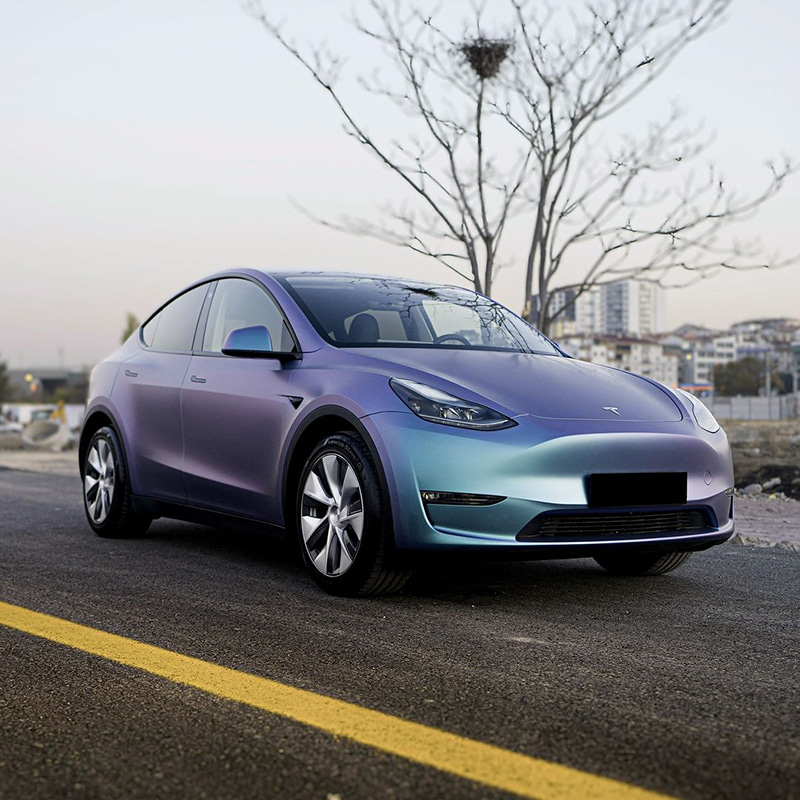
Understanding how does paint protection film work starts with its structure. A quality PPF consists of four functional layers: a clear coat top layer with self‑healing properties, a polyurethane film that absorbs impacts, an acrylic adhesive designed for clean removal, and a protective release liner. When a stone hits the surface, the urethane layer disperses the kinetic energy laterally, preventing the sharp object from penetrating into the paint.
The top coat plays a critical role in self‑healing. Minor scratches and swirl marks can disappear when the film is exposed to heat. In self healing paint protection film, the elastomeric polymers in the top layer return to their original state once heated to around 50°C (122°F) — a temperature easily reached by sunlight on a warm day or by pouring warm water over the panel. This means that light wash-induced marring can vanish without any manual buffing.
Benefits of Paint Protection Film
The benefits of paint protection film extend far beyond scratch resistance. Below are the key advantages that make PPF a worthwhile investment:
- Impact resistance: Prevents chips and dings from road debris, reducing the need for repaints that can cost $500 to $1,500 per panel.
- UV and oxidation defense: Blocks up to 99% of ultraviolet radiation, helping the paint avoid fading and discoloration over years of exposure.
- Hydrophobic properties: Many films shed water, mud, and grime, making the car easier to clean and reducing the frequency of washes.
- Resale value retention: A well‑maintained exterior with no chips or rust spots can increase a vehicle’s trade‑in value by an estimated 5% to 10%.
- Stain resistance: Protects against acidic contaminants like bug splatter and bird droppings that can etch into clearcoat within hours.
Types of Paint Protection Film: Clear, Gloss, Matte, and Self‑Healing
Not all PPF products are identical. Selecting the right type depends on the desired aesthetic and the specific surfaces being protected.
| Film Type | Appearance | Best Suited For | Gloss Level |
|---|---|---|---|
| Clear paint protection film | Transparent, almost invisible | Any paint color, maintaining the factory look | High gloss (factory‑match) |
| Gloss paint protection film | Deep, wet‑look shine | Dark or metallic colors to enhance reflectivity | Very high |
| Matte paint protection film | Satin, non‑reflective finish | Factory matte paints or a desire for a stealth look | Low (matte) |
Irrespective of the finish, today’s premium films almost always incorporate self‑healing technology. A self healing paint protection film can be either clear, gloss, or matte — the self‑repairing function exists in the top coat, not in the visual layer. This means you can choose a matte paint protection film that still recovers from light scuffs and micro‑marring when heated.
Is Paint Protection Film Right for Your Car?
Deciding to install paint protection film for cars involves weighing the upfront cost against long‑term preservation. A professional full‑front installation typically ranges from $2,000 to $7,000, depending on vehicle size and the number of panels covered. While this may seem steep, a single repaint of a bumper and hood due to road debris damage can exceed $3,000, and the film lasts between 5 and 10 years with proper care.
PPF is not a substitute for all care — it works best when combined with regular washing. However, for owners who drive on highways frequently, live in regions with severe weather, or simply want to maintain a flawless finish, car paint protection film delivers tangible value. The film’s ability to self‑repair minor imperfections and prevent permanent damage makes it a long‑term investment in both appearance and resale equity.