 En
En  中文简体
中文简体 西班牙语
西班牙语

Article Directory
- 1 The Impact of EPR Mandates on Release Liner Sourcing
- 2 Technical Specifications and Material Efficiency
- 3 Siliconization and Chemical Safety Standards
- 4 The Role of PET Release Film in High-Precision Die-Cutting
- 5 Conclusion: Sourcing for a Sustainable Future
- 6 Frequently Asked Questions (FAQ)
- 6.1 1. Does Anhui Hengbo provide customized release forces for PET film?
- 6.2 2. Is PET release film better than paper for die-cutting medical plasters?
- 6.3 3. What are the benefits of PET release film for sustainable packaging in 2025?
- 6.4 4. How does Anhui Hengbo ensure product quality?
- 6.5 5. What are the common adhesive release paper coating types you offer?
- 7 Industry References
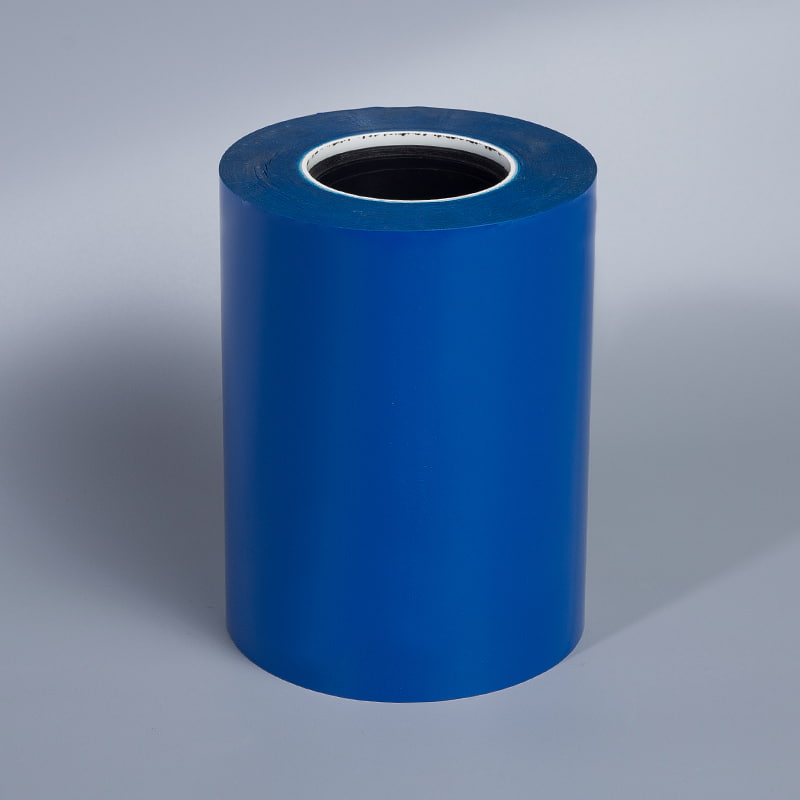
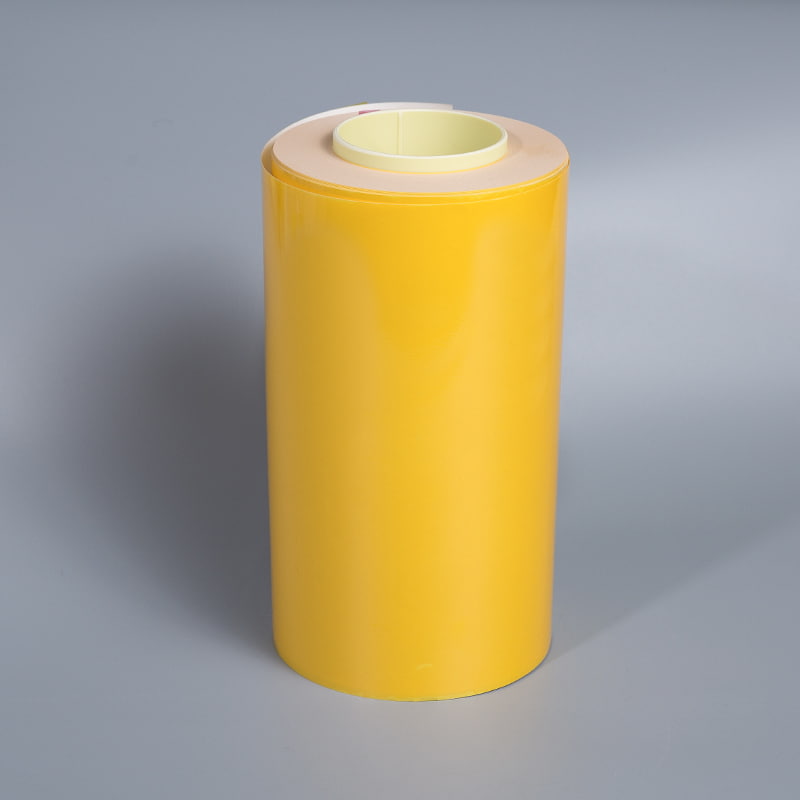
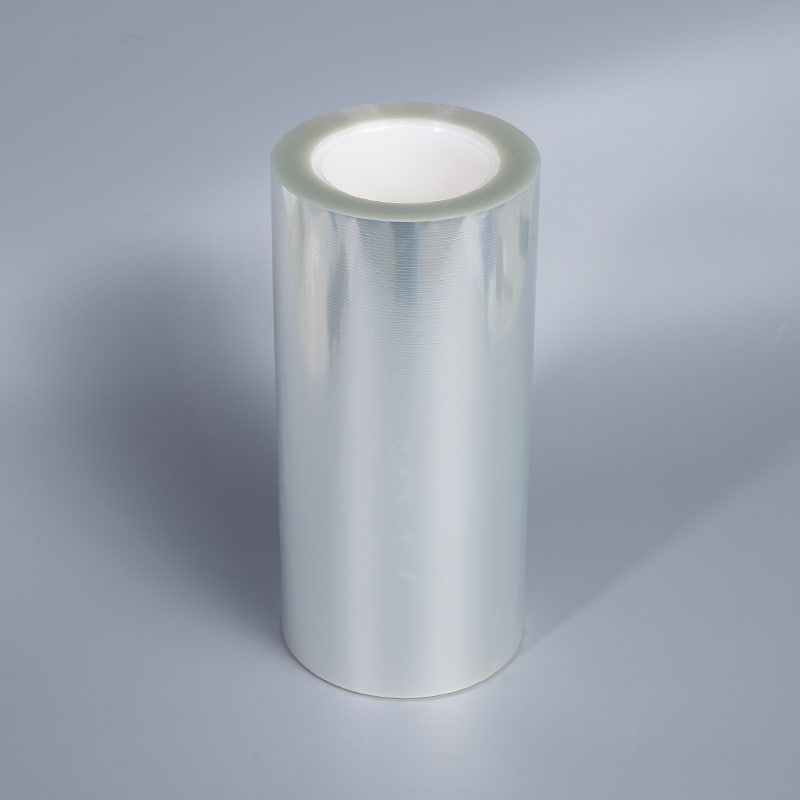
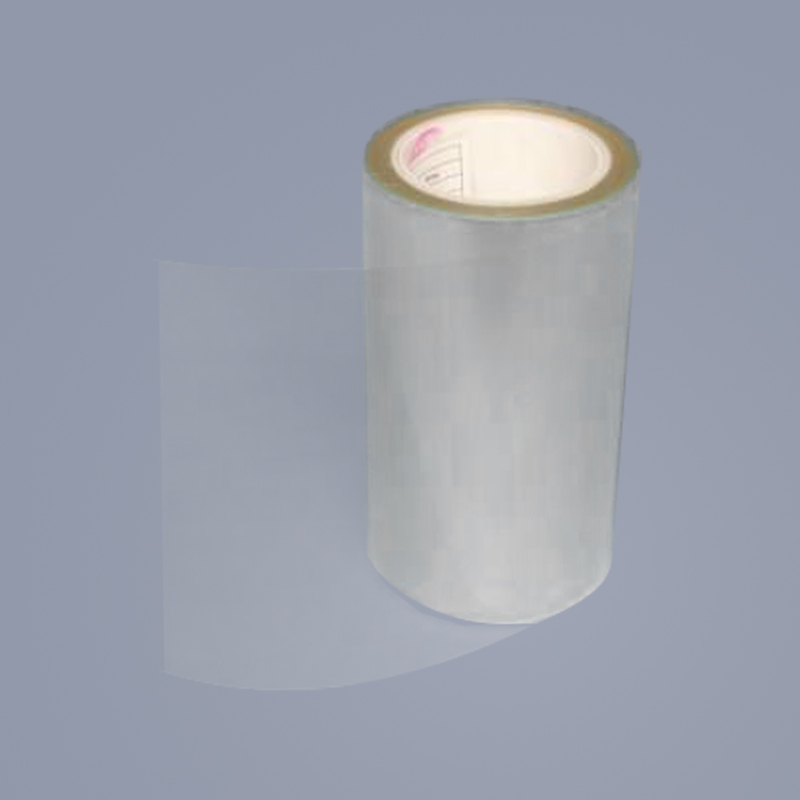
As the global packaging industry moves toward a circular economy, the regulatory landscape for 2025 is becoming increasingly stringent. Extended Producer Responsibility (EPR) laws are now mandating that manufacturers take full accountability for the entire lifecycle of their products, including secondary components like adhesive release paper. For engineers and procurement specialists, selecting a partner who understands these shifts is essential. Anhui Hengbo New Material Co., Ltd., established in 2017, specializes in PET polyester film and PET release film. Having passed ISO9001 international certification, we provide customized, high-tech solutions for electronics, medical plaster paper, and adhesive products, ensuring our clients stay ahead of global sustainability mandates.
The Impact of EPR Mandates on Release Liner Sourcing
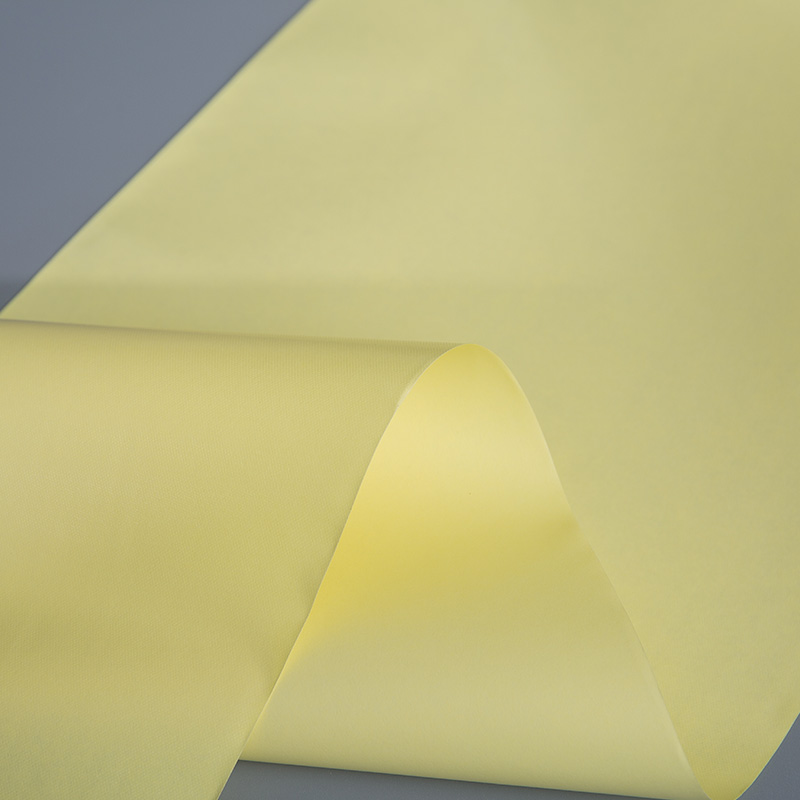
In 2025, EPR compliance focuses on "Design for Recycling" (DfR). Sourcing adhesive release paper now requires a deep dive into the chemical composition of silicone coatings and base substrates. The primary challenge is that traditional liners are often multi-material laminates that are difficult to separate. However, the benefits of PET release film for sustainable packaging include its high recyclability and the ability to maintain ultra-thin profiles, which significantly reduces the total volume of waste generated. At Anhui Hengbo, our PET-based solutions are engineered to facilitate easier recovery in industrial recycling streams compared to traditional clay-coated papers.
Comparison: Traditional Paper Liners vs. PET Release Film
While paper-based liners are often perceived as "natural," they frequently contain plastic coatings that hinder recycling, whereas monomaterial PET release films offer a clearer path to circularity.
| Criteria | Traditional Clay-Coated Paper | PET Release Film (Hengbo Material) |
| Recyclability | Difficult due to silicone/poly-coating | High (Monomaterial streams) |
| Material Thinness | 60gsm - 120gsm (Thicker) | 12μm - 75μm (Ultra-thin options) |
| Cleanliness | Potential for fiber shedding | Zero shedding (Electronic grade) |
| EPR Compliance | Complex waste categorization | Streamlined (Categorized as PET) |
Technical Specifications and Material Efficiency
Reducing the carbon footprint of packaging starts with material "lightweighting." When evaluating how to choose adhesive release paper for medical applications, engineers must balance tensile strength with thickness. A PET release film allows for a significant reduction in material usage while maintaining the high thermal stability required for medical plaster paper and flexible circuits. This reduction in mass directly translates to lower EPR fees, as many regional regulations calculate tax based on the total weight of non-recycled material introduced to the market.
Tensile Strength and Thermal Stability Comparison
Synthetic PET substrates provide superior mechanical properties, allowing for higher production speeds and less downtime during die-cutting and punching processing.
| Mechanical Metric | Standard Paper Liner | PET Release Film (Polyester) |
| Tensile Strength | Moderate (Risk of tearing) | Excellent (High-speed processing) |
| Thermal Stability | Low (Yellowing at high temp) | High (Up to 150°C - 180°C) |
| Surface Smoothness | Average | Superior (Critical for electronics) |
Siliconization and Chemical Safety Standards
EPR regulations are not only about the substrate but also the chemical safety of the "release" layer. Common adhesive release paper coating types in 2025 are shifting toward solvent-free silicone systems to comply with VOC emission standards. Anhui Hengbo New Material Co., Ltd. utilizes unique philosophies in material design to ensure our PET release film and protective film meet the most rigorous safety production standardization. This is particularly vital for the medical and electronic industries, where chemical migration can compromise the functionality of nameplates, membrane switches, and insulating products.
Key Technical Features for 2025 Sourcing:
- Solvent-Free Coatings: Reduces environmental impact and ensures compliance with global VOC regulations.
- Customized Release Force: From ultra-light to heavy release, tailored to specific adhesive chemistry.
- Dimensional Stability: Ensuring the adhesive release paper does not curl or shrink during lamination.
The Role of PET Release Film in High-Precision Die-Cutting
For industries involved in die-cutting and punching processing, the transparency and stability of adhesive release paper are paramount. PET release film provides a clear advantage in optical inspection systems used for high-precision circuit boards and reflective materials. Is PET release film better than paper for die-cutting? Technically, yes; the uniform thickness of PET prevents "cut-through" errors, which minimizes industrial waste—a key requirement for 2025 sustainability targets.
Conclusion: Sourcing for a Sustainable Future
In 2025, EPR compliance is the metric of success for global brands. Sourcing high-quality adhesive release paper is no longer just about cost—it is about material efficiency, recyclability, and chemical safety. Anhui Hengbo New Material Co., Ltd. remains committed to providing professional, patient, and innovative solutions for our customers. By choosing our specialized PET polyester and release films, you are not just buying a component; you are investing in a sustainable partnership guided by integrity and technical excellence.
Frequently Asked Questions (FAQ)
1. Does Anhui Hengbo provide customized release forces for PET film?
Yes. We provide customized solutions for the market, offering a range of release forces from ultra-light to heavy to meet the specific needs of printing, nameplates, and medical industries.
2. Is PET release film better than paper for die-cutting medical plasters?
PET film is generally superior for medical die-cutting due to its zero-fiber shedding and consistent thickness, which ensures clean cuts and maintains the sterile integrity of medical plaster paper.
3. What are the benefits of PET release film for sustainable packaging in 2025?
The main benefits include its recyclability within the PET stream, lower weight compared to paper (reducing EPR taxes), and its durability, which prevents product loss during transportation.
4. How does Anhui Hengbo ensure product quality?
We have successfully passed the ISO9001 international standard certification and safety production standardization. Every inquiry receives a professional quotation and rigorous quality control review.
5. What are the common adhesive release paper coating types you offer?
We primarily specialize in silicone-coated PET release films, using advanced coating technology to ensure stable release forces for electronic, waterproof, and reflective materials.
Industry References
- ISO 9001:2015 - Quality Management Systems Certification.
- OECD Guidelines on Extended Producer Responsibility (EPR).
- ASTM D3330 - Standard Test Method for Peel Adhesion of Pressure-Sensitive Tape.
- FINAT Technical Handbook - Test Methods for Self-Adhesive Materials.