 En
 中文简体


Article Directory
- 1 What Is Coating Thickness Uniformity in PET Release Films?
- 2 Why Micron Tolerance Matters for Release Performance
- 3 Key Factors That Affect Coating Uniformity
- 4 Measuring and Specifying Micron Tolerances
- 5 Industry Applications and Tolerance Requirements
- 6 How Anhui Hengbo Ensures Precision Coating Uniformity
- 7 Frequently Asked Questions
PET release films are indispensable in industries ranging from label converting and electronics to medical patches and automotive protection. At the heart of their performance lies a deceptively simple factor: the uniformity of the release coating. When that coating varies even by a fraction of a micron, release forces shift, adhesive behavior becomes unpredictable, and high-speed production lines suffer. Understanding coating thickness uniformity and the precision micron tolerances that govern it is therefore essential for engineers, procurement teams, and quality managers who specify release films. This article explores what uniformity means, why it matters, how it is measured, and how a manufacturer like Anhui Hengbo New Material Co., Ltd. approaches this critical parameter.
What Is Coating Thickness Uniformity in PET Release Films?
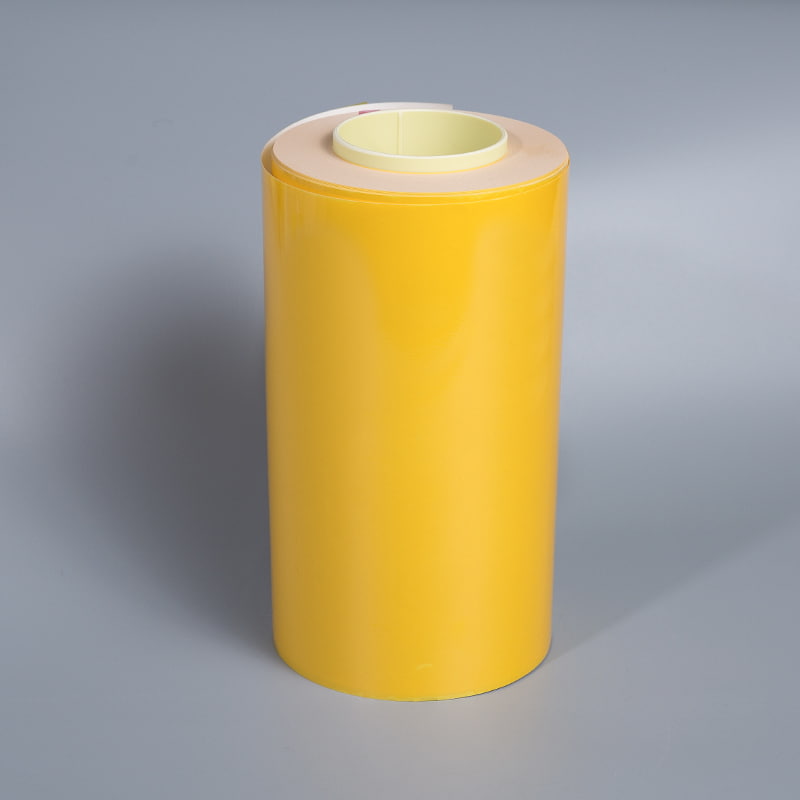
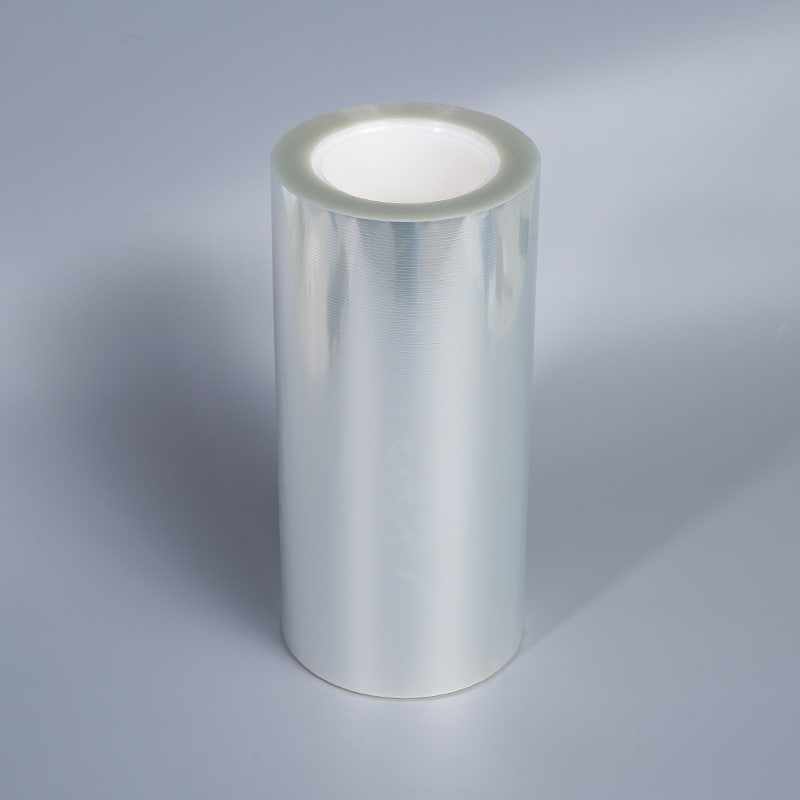
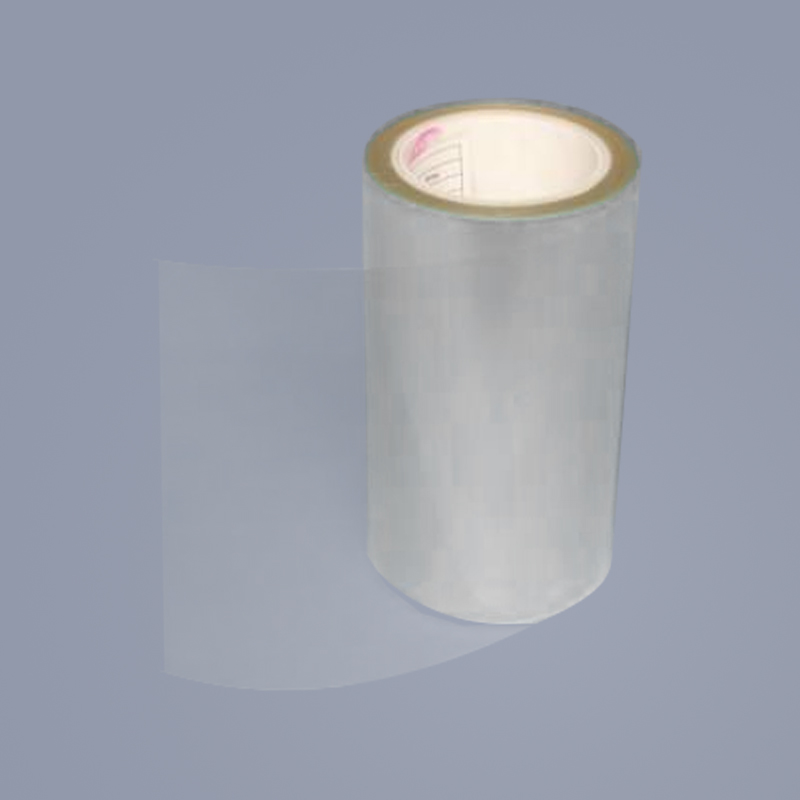
A PET release film consists of a polyester base film coated with a release agent, typically silicone. The coating thickness refers to the dry film thickness of that silicone layer, usually expressed in microns. Uniformity describes how consistently that thickness is maintained across the entire web, in both the machine direction (MD) and the cross direction (CD), as well as from roll to roll.
Precision micron tolerances define the acceptable window of variation. For many standard release films, a tolerance of ±0.05 µm to ±0.15 µm is common, while high-end electronic or medical grades may require ±0.02 µm or tighter. Achieving such tight control demands precise coating technology, rigorous process monitoring, and a deep understanding of how substrate and formulation interact.
Why Micron Tolerance Matters for Release Performance
Release force is directly linked to coating thickness. A thicker silicone layer generally lowers release force, while a thinner layer raises it. If thickness drifts across the web, converters may experience erratic peeling, adhesive transfer, or even tearing of the liner. In high-speed labeling, even minor variations can cause web breaks or misaligned die cuts.
Uniformity also affects adhesive anchorage. Too thin a coating may allow the adhesive to grab the PET surface, leading to permanent bonding. Too thick a coating can cause silicone migration into the adhesive, reducing tack. For medical patches, electronics protection, and automotive films, these deviations translate into field failures and costly recalls. Thus, micron tolerances are not merely a specification detail; they are a performance guarantee.
Key insight: A release film with excellent average thickness but poor uniformity can perform worse than a film with a slightly thicker but highly consistent coating.
Key Factors That Affect Coating Uniformity
Several variables influence how evenly a silicone coating is applied and cured. Controlling them is essential for staying within tight micron tolerances.
- Substrate surface quality: Roughness, corona treatment, and cleanliness affect wetting and adhesion of the coating.
- Coating formulation: Viscosity, solids content, and solvent selection determine flow and leveling behavior.
- Coating method: Gravure, slot die, and wire bar techniques each offer different precision and repeatability.
- Drying and curing: Temperature profiles and airflow must be uniform to prevent skinning or incomplete cure.
- Web tension and speed: Fluctuations can cause ribbing, streaks, or thickness bands.
- Cleanliness: Dust, fibers, and contamination create defects that disrupt coating continuity.
Addressing these factors requires an integrated approach that combines equipment capability, operator skill, and real-time feedback.
Measuring and Specifying Micron Tolerances
Several analytical methods are used to verify coating thickness and uniformity. Gravimetric analysis, which weighs the film before and after coating removal, provides an average thickness but lacks spatial resolution. X-ray fluorescence (XRF) and Fourier-transform infrared spectroscopy (FTIR) offer non-destructive, point-based measurements. For full-web mapping, online sensors such as beta gauges or optical interferometers are increasingly common.
When specifying tolerances, it is important to define both the target thickness and the allowed deviation, as well as the measurement method and sampling frequency. The table below shows typical targets for different applications.
| Application | Typical Coating Thickness | Recommended Tolerance |
|---|---|---|
| Labels and Tapes | 0.5 - 1.0 micron | ±0.05 micron |
| Medical Patches | 0.8 - 1.5 micron | ±0.10 micron |
| Electronics | 0.3 - 0.8 micron | ±0.03 micron |
| Automotive Films | 1.0 - 2.0 micron | ±0.15 micron |
For a deeper dive into how thickness and release force interact with sourcing decisions, see our guide on PET release film release force, thickness, and sourcing specifications.
Industry Applications and Tolerance Requirements
Different industries impose different demands on coating uniformity. In pressure-sensitive adhesive (PSA) converting, consistent release force is vital for high-speed die cutting and matrix stripping. Medical patch manufacturers require uniform coating to ensure that the patch adheres securely to skin but peels cleanly without leaving residue. Electronics applications, such as protective films for displays or flexible circuits, often need ultra-thin coatings with tolerances tighter than ±0.03 µm to avoid interference with conductivity or optical clarity.
Automotive paint protection films and window films also rely on release liners with precise coating. Here, the liner must protect the adhesive during storage and transport, then release smoothly during installation. Any thickness variation can lead to adhesive transfer or difficulty in positioning the film. As a result, manufacturers serving these markets must validate their coating processes against application-specific tolerances.
How Anhui Hengbo Ensures Precision Coating Uniformity
Anhui Hengbo New Material Co., Ltd. has been manufacturing PET polyester films, PET release films, and protective films since 2017. Building on what the company describes as 20 years of manufacturing experience, the firm has established a quality management system certified to ISO9001 and has passed safety production standardization inspections. These credentials support a disciplined approach to coating control.
For PET release films, Anhui Hengbo focuses on delivering consistent release performance across a range of specifications. The company offers customized solutions and engages with customers to understand their unique requirements, from light to heavy release forces and various thicknesses. By combining advanced coating equipment with rigorous in-process checks, the company aims to keep micron tolerances within the narrow windows demanded by label, medical, electronics, and automotive customers.
The company's product portfolio also includes copperplate paper release paper, Gracin release paper, and a range of functional films for digital printing and automotive applications. This breadth allows customers to source multiple release materials from a single supplier while maintaining consistent quality standards.
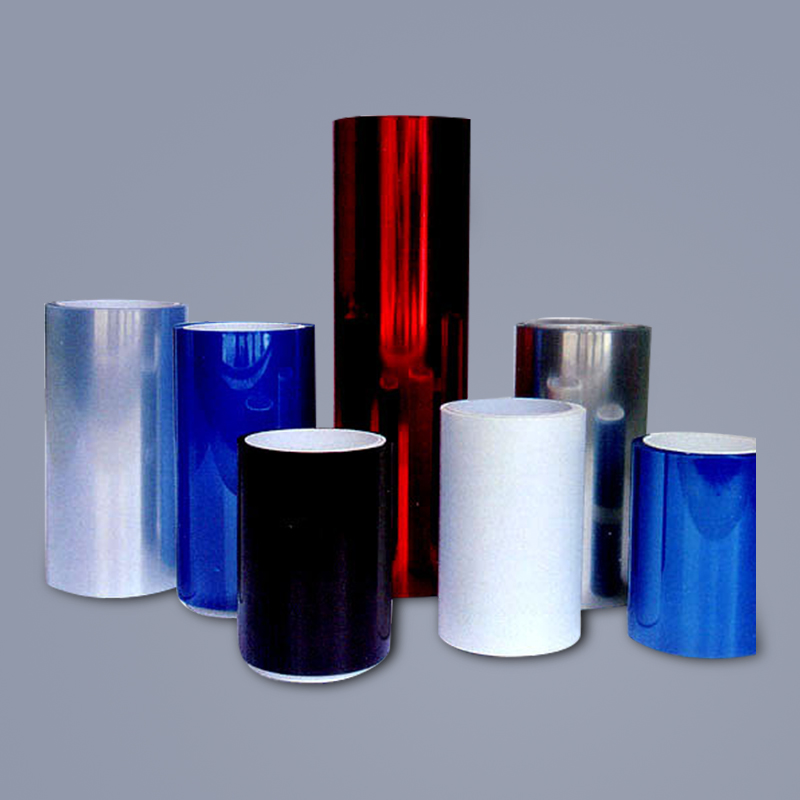
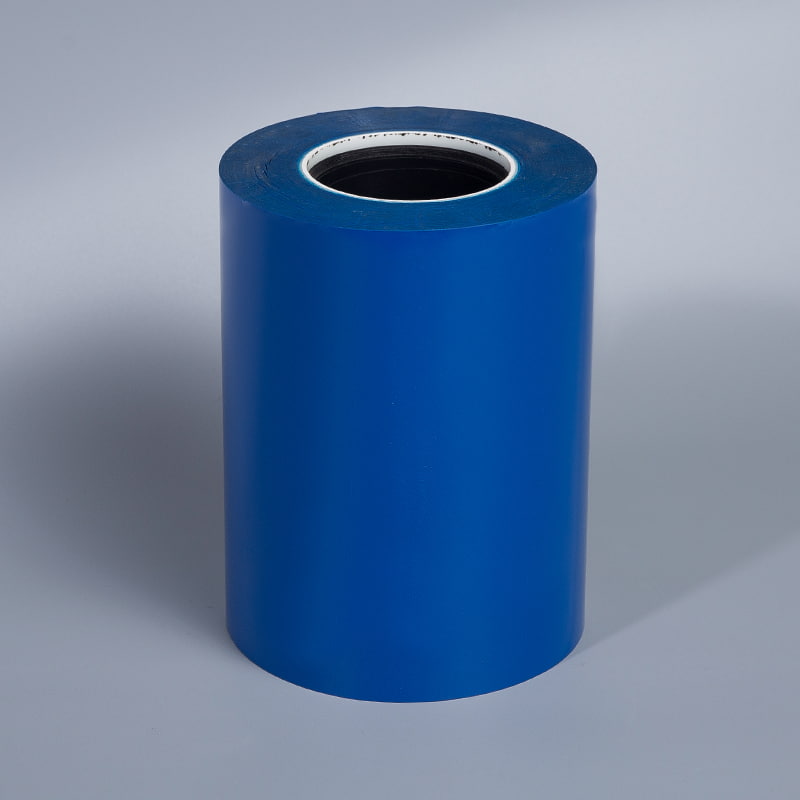 PET Silicone Release Film for Printing and ElectronicsExplore PET release films with uniform silicone coating, stable release, multiple color options, and 12um-100um thicknesses for printing, electronics, and die-cutting.View Product →
Frequently Asked Questions
Q1: What is a typical coating thickness tolerance for PET release films?
Typical tolerances range from ±0.03 µm for high-end electronics to ±0.15 µm for general-purpose automotive films. The required tolerance depends on the release force stability and downstream converting speed needed.
Q2: How is coating thickness measured on a production line?
Online measurements often use beta gauges, optical interferometers, or XRF sensors. Offline verification may involve gravimetric analysis or FTIR. Combining online and offline methods provides the most reliable control.
Q3: Can coating uniformity affect die cutting?
Yes. Uneven coating leads to variable release force, which can cause die-cut labels to lift, shift, or tear during matrix stripping. Uniform coating ensures predictable web behavior and higher yields.
Q4: Why choose Anhui Hengbo for PET release films?
Anhui Hengbo combines ISO9001-certified processes, customizable release grades, and a customer-focused approach. The company's experience in PET films and release liners supports reliable micron-level control for diverse industrial applications.