 En
En  中文简体
中文简体 西班牙语
西班牙语

Article Directory
What Is Paint Protection Film and the Invisible Car Suit
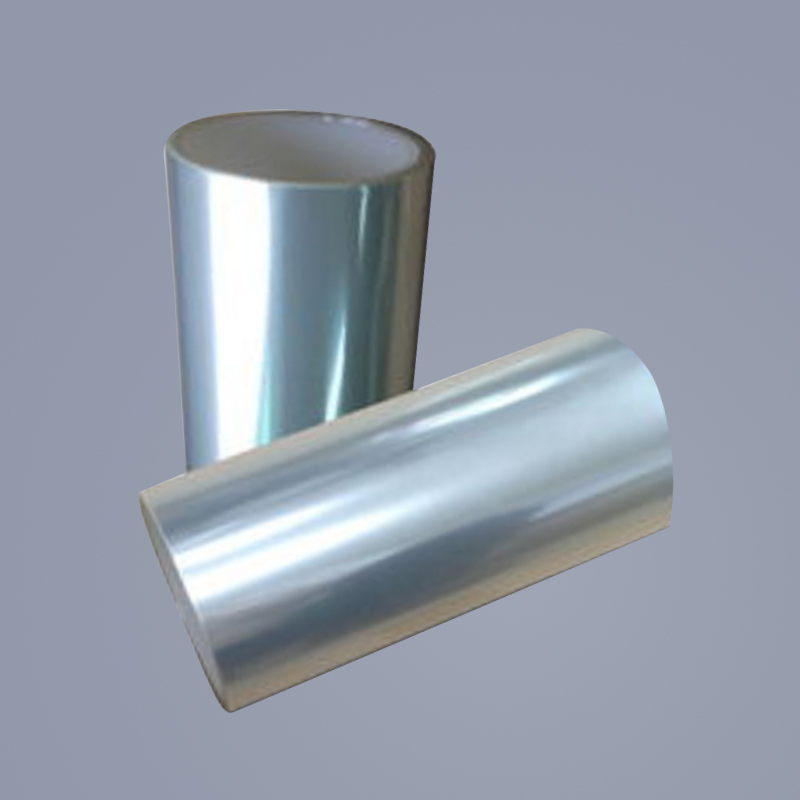
Paint protection film (PPF) — commonly referred to as an invisible car suit, clear bra, or invisible shield — is a multi-layer thermoplastic urethane (TPU) film applied directly to a vehicle's painted surfaces to protect the finish from stone chips, road debris, insect acid, bird droppings, minor abrasions, and UV degradation. The film is optically clear in its standard form, conforming precisely to body panel contours without altering the vehicle's appearance, which is why the "invisible car suit" description has become the dominant consumer-facing term for full-vehicle PPF installations.
PPF was originally developed in the 1960s by the US military to protect helicopter rotor blades and other high-wear surfaces from debris damage. Commercial automotive applications emerged in the 1980s, initially covering only high-impact zones such as the front bumper, hood leading edge, and mirrors. Contemporary full-body PPF installations now cover every painted surface of a vehicle, driven by rising new car prices, a growing market for exotic and luxury vehicles, and significant improvements in film clarity, durability, and self-healing capability over the past decade.
How Paint Protection Film Works: Layer Structure
A modern PPF product is a precisely engineered multi-layer composite, typically 150–250 microns (0.15–0.25 mm) thick in total. Each layer serves a distinct protective or functional role.
- Clear coat / top coat layer (10–15 μm): The outermost surface, typically a polysiloxane or fluoropolymer-modified urethane coating that provides gloss, hardness, hydrophobic behavior, and stain resistance. In self-healing films, this layer contains elastomeric polymers that flow back to their original configuration when exposed to heat, closing minor scratches.
- TPU base film (100–200 μm): The core structural layer. Thermoplastic polyurethane provides the elasticity that allows the film to absorb and dissipate impact energy from stone chips without transferring stress to the paint below. High-quality TPU is optically clear with a refractive index matched to air, minimizing haze and color shift over the underlying paint.
- Pressure-sensitive adhesive (PSA) layer (25–40 μm): The adhesive that bonds the film to the vehicle surface. Quality PSA systems are designed for clean removal without paint damage for 5–10 years after installation, and they include UV stabilizers to prevent yellowing of the adhesive layer itself — a failure mode that causes the film to develop a yellow tint from beneath.
- Release liner: A removable backing film that protects the adhesive layer before installation. Removed immediately prior to application.
The TPU core is what distinguishes PPF from vinyl wrap. Vinyl wrap uses PVC film, which is significantly harder and more brittle than TPU — it provides color change and surface protection but does not absorb stone chip impact effectively and will crack or delaminate at chip points. PPF's elastic TPU core deforms under impact and returns to shape, protecting the paint beneath while maintaining film integrity.
Types of Paint Protection Films
The PPF market has evolved from a single standard clear product to a range of finish options and performance grades that address different vehicle aesthetics and protection requirements.
Gloss PPF
The original and most widely installed format. Gloss PPF is optically clear with a high-gloss top coat that closely matches the gloss level of factory paint, making it effectively invisible on light-colored vehicles. On darker colors, slight optical differences may be visible at certain angles in direct sunlight, particularly at film edges — a limitation that installation technique and edge placement strategy can minimize but not entirely eliminate with current film technology.
Matte PPF
Matte finish PPF uses a micro-textured top coat that diffuses reflected light, producing a satin or flat appearance. It serves two distinct purposes: protecting factory matte paint finishes (which cannot be polished and are extremely difficult to repair when scratched) and converting a standard gloss paint finish to a matte appearance without repainting. A full-body matte PPF installation on a gloss-painted vehicle is reversible — removing the film restores the original gloss finish, making it a popular option for lease vehicles or owners who want to change appearance without permanent modification.
Colored and Tinted PPF
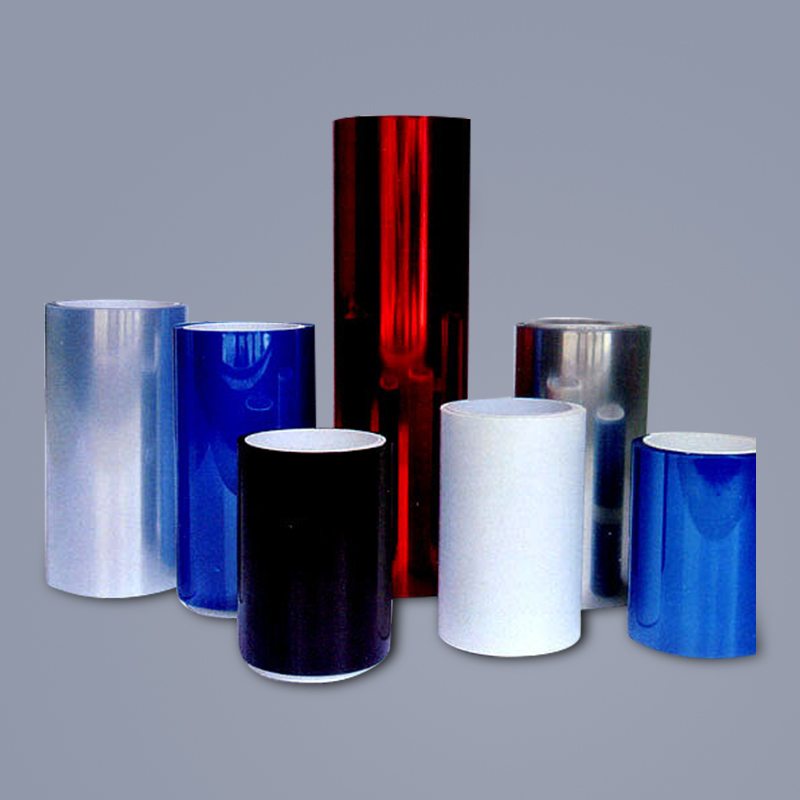
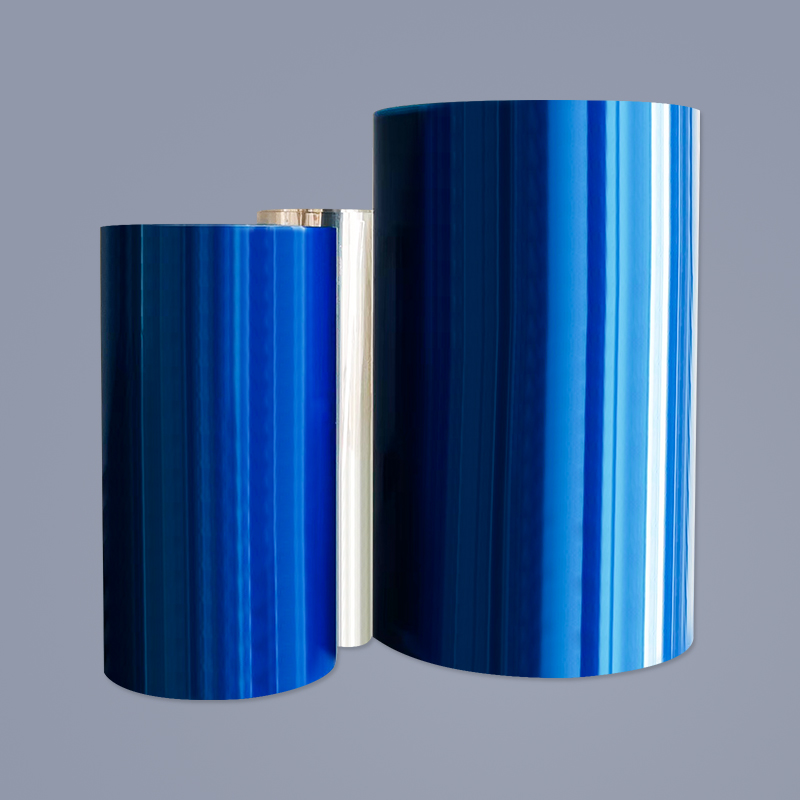
A newer category incorporating pigment or metallic effect layers within the TPU film, allowing the product to simultaneously change a vehicle's color and provide PPF-grade impact protection. Colored PPF offers the protection advantages of TPU over standard vinyl color-change wrap, though the color range available in colored PPF remains narrower than the extensive catalog available in vinyl.
Self-Healing PPF
Self-healing technology is now standard in premium PPF products from major manufacturers including XPEL, 3M, Llumar, and SunTek. The elastomeric top coat contains polymer chains that are disrupted by minor scratches — light swirl marks, fingernail scratches, and fine buffer marks — but return to their original orientation when heat is applied, either from direct sunlight, warm water, or a heat gun. Self-healing typically occurs within 20–60 minutes of sun exposure at temperatures above approximately 40 °C. Deeper scratches that penetrate through the top coat into the TPU base layer do not self-heal and require professional film repair or section replacement.
| Film Type | Appearance | Self-Healing | Best Application |
|---|---|---|---|
| Gloss clear | Invisible on most colors | Yes (premium grades) | Paint preservation, daily drivers |
| Matte / satin | Flat / satin finish | Yes | Factory matte paint, appearance change |
| Colored / tinted | Color change with protection | Yes (most grades) | Color change without repaint |
Coverage Zones: Partial vs Full Invisible Car Suit
PPF installations are typically offered in tiered coverage packages that balance protection against cost. Understanding which zones receive the most stone chip and abrasion exposure helps in making a rational coverage decision.
- Partial front end (entry-level): Covers the front bumper, hood leading edge (typically the front 30–60 cm), front fenders, and mirrors. This zone intercepts the majority of highway stone chips and accounts for 70–80% of the paint damage most vehicles sustain in normal driving. Cost-effective for daily drivers where budget limits full coverage.
- Full front end: Extends coverage to the complete hood, full front bumper, full front fenders, mirrors, and headlights. The headlight film deserves particular attention — polycarbonate headlight lenses yellow and haze from UV exposure and stone impact, and PPF extends their optically clear service life significantly, deferring costly headlight replacement or restoration.
- Rocker panels and door edges: Secondary high-impact zones that benefit from PPF even when a full front-end package is the primary investment. Rocker panels collect road debris thrown by all four tires; door edges accumulate parking lot contact chips.
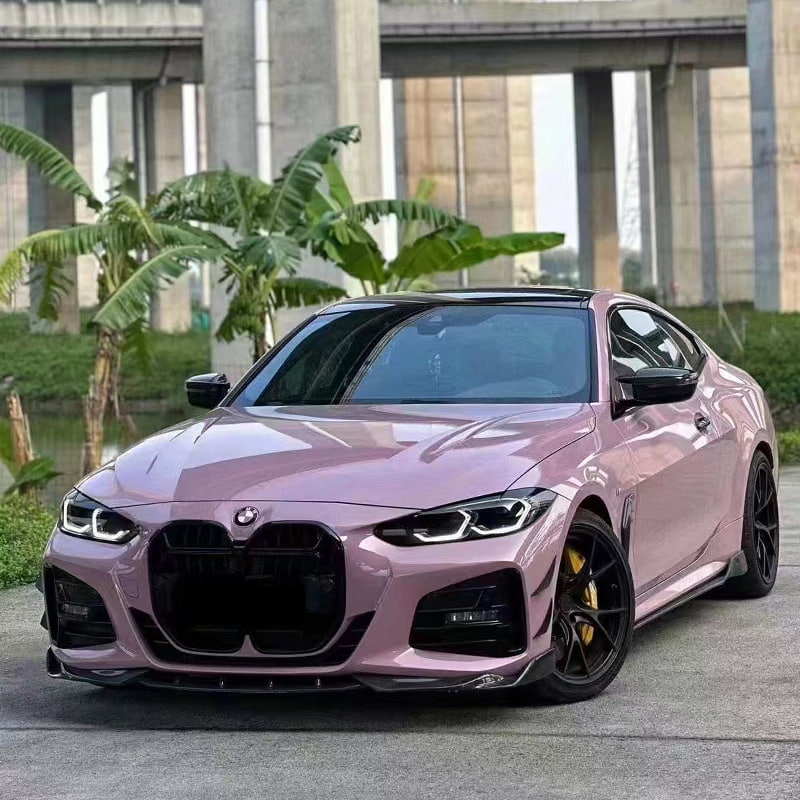
- Full body invisible car suit: Covers all painted exterior surfaces including the roof, doors, rear bumper, trunk lid, and pillars. The full invisible car suit is the benchmark for exotic, collector, and high-value luxury vehicles where preserving factory paint condition has a direct impact on resale value. Full-body PPF installations on a mid-size luxury sedan typically use 20–30 square meters of film.
PPF Installation: Process and Quality Factors
The quality of a PPF installation is as important as the quality of the film itself. A premium film installed poorly will bubble, lift at edges, trap contamination, and fail prematurely. The installation process directly determines the durability and appearance of the finished result.
Professional PPF installation follows a consistent sequence. The vehicle first undergoes a thorough decontamination wash — clay bar treatment to remove embedded particles, followed by an isopropyl alcohol wipe-down to remove wax, silicone, and polish residue that would prevent adhesive bonding. Any existing paint defects — swirl marks, light scratches — are corrected by machine polishing before film application, because PPF will lock in any imperfections present at installation time.
Film is cut using either pre-cut patterns from a plotter (computer-cut templates matched to the specific vehicle make and year) or hand-cut directly on the panel — the latter requiring significantly more skill to achieve clean edge placement. The film is applied wet using a slip solution (diluted soap water or dedicated installation fluid), positioned and squeegeed to remove solution and air, then heat-formed to conform to panel curves and edges. Cure time before the vehicle can be driven in rain is typically 24–72 hours depending on temperature and humidity.
Edge placement is the most visible quality differentiator between installers. Premium installations tuck film edges under trim, into door jambs, and beneath panel gaps so no film edge is exposed at the surface — eliminating the visible edge line and preventing edge lifting from car wash brushes or pressure washing. Installations with exposed edges on flat panel surfaces are more vulnerable to peeling and are considered a lower-quality result regardless of film brand.
Maintenance and Longevity of Paint Protection Film
Premium PPF products from established manufacturers carry warranties of 7–10 years against yellowing, cracking, peeling, and delamination under normal use conditions. Achieving the full rated service life requires appropriate maintenance practices.
- Washing: Hand washing with pH-neutral automotive shampoo is preferred. Touchless automatic car washes are acceptable. Brush-type automatic car washes generate friction that can accelerate top coat wear and lift film edges — avoid these for PPF-covered vehicles.
- Pressure washing: Maintain a minimum distance of 30–40 cm and avoid directing the pressure washer jet at film edges at acute angles, which can force water under the film and compromise adhesion over time.
- Contamination removal: Bird droppings, insect residue, and tree sap should be removed promptly — within 24 hours where possible. While PPF's chemical resistance is substantially higher than bare paint, prolonged exposure to acidic biological contamination can stain or etch the film's top coat.
- Ceramic coating over PPF: Applying a ceramic coating over cured PPF is a common enhancement that adds hydrophobic behavior, increases top coat hardness, and makes contamination removal easier. The combination of PPF and ceramic coating — sometimes marketed as the "ultimate paint protection package" — provides both impact protection (from PPF) and chemical and UV surface protection (from the ceramic layer).
When PPF reaches the end of its service life or is damaged beyond self-healing, professional removal is straightforward on films applied within the warranty period — the PSA releases cleanly without paint damage when the film is heated and removed at the correct angle. Attempting to remove aged or out-of-warranty PPF without heat risks adhesive residue remaining on the paint and, in worst cases, lifting paint that has become bonded to aged adhesive more strongly than to the primer below.