 En
En  中文简体
中文简体 西班牙语
西班牙语

Article Directory
What Paint Protection Film Actually Does — and What It Doesn't
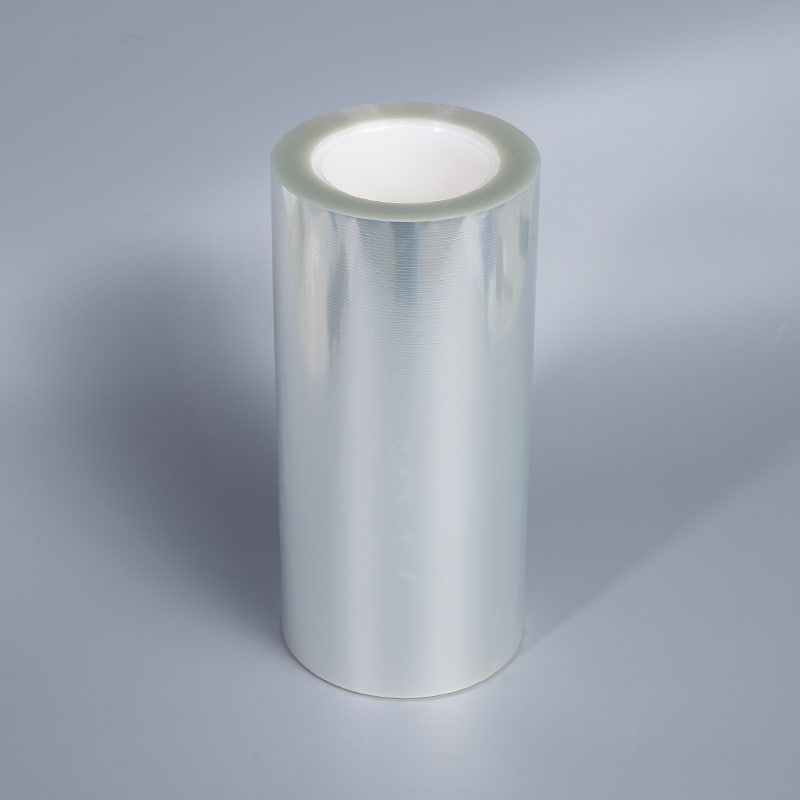
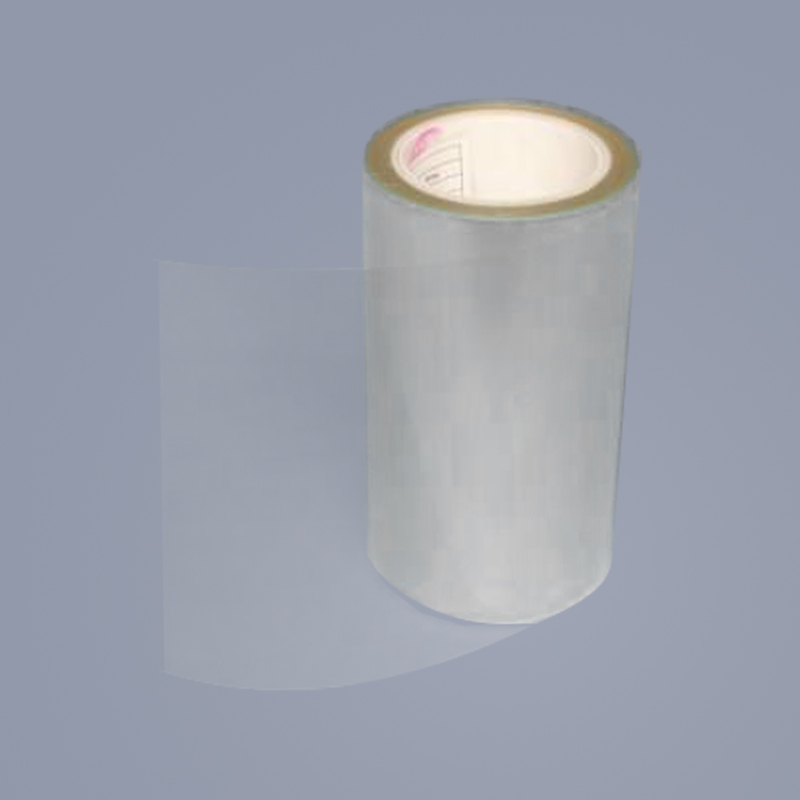
Paint Protection Film (PPF) is a thick, optically clear thermoplastic urethane film applied directly to a vehicle's painted surfaces. Its primary job is to absorb and distribute the energy of physical impacts — rock chips, road debris, minor abrasions, and bug acids — before they can reach the clearcoat underneath. Unlike a spray coating or wax, PPF is a physical barrier with measurable thickness, typically 6 to 10 mils (0.15–0.25 mm) depending on the product grade.
The defining capability of modern PPF is self-healing. The film's topcoat layer is formulated to return to its original state after light scratches and swirl marks — either passively over time at ambient temperature or actively with the application of heat (warm water or a heat gun). This means the film itself stays looking fresh even after regular car washing, automatic brush washes, or light contact with road debris.
What PPF does not do: it cannot protect against deep key scratches that penetrate the full film thickness, significant dents from parking lot impacts, or UV fading indefinitely — most films carry UV protection rated for 5–10 years before yellowing becomes a concern. It also does not add gloss or hydrophobic properties on its own unless the film includes a ceramic-infused or hydrophobic topcoat, which higher-end products increasingly do.
Does PPF Protect Against Rock Chips?
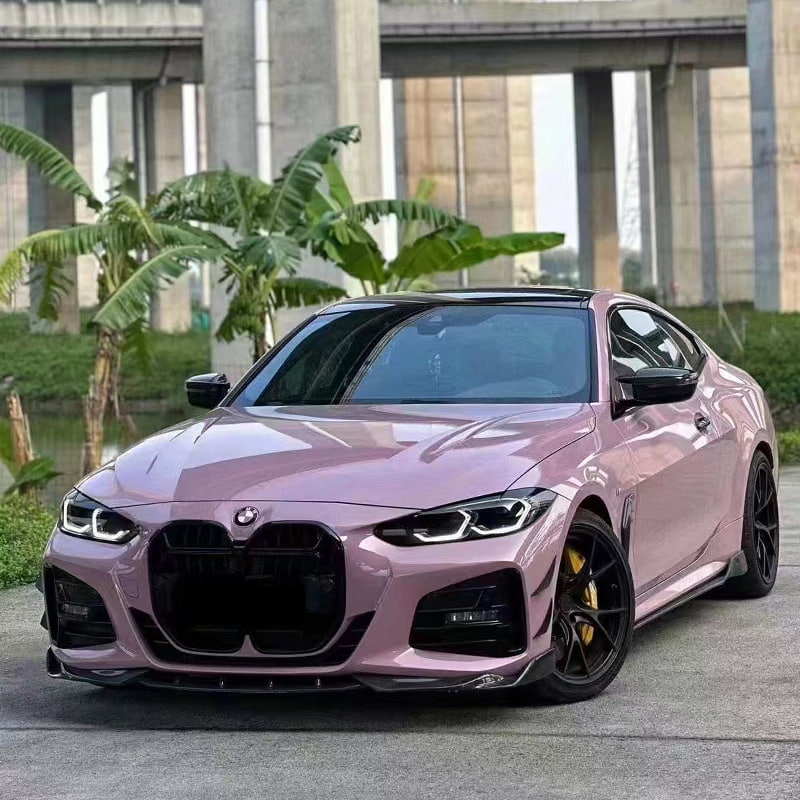
Yes — rock chip protection is the original and still primary use case for PPF. The film was developed in the 1970s by the US military to protect helicopter rotor blades from debris damage, and the automotive application is a direct translation of that concept: stop high-velocity small particles from pitting or fracturing the paint surface.
A typical rock chip scenario involves a small stone — 3 to 10 mm in diameter — striking the hood or bumper at highway speed. The kinetic energy of that impact, concentrated on a tiny contact point, is enough to shatter clearcoat and paint down to primer or bare metal. PPF absorbs and distributes that impact energy across a wider area, preventing the substrate from fracturing. High-quality PPF can prevent the vast majority of road debris chips in normal highway driving conditions.
The practical limits: a sharp, large rock traveling at very high relative velocity can still penetrate thinner films. This is why film thickness and installation coverage matter. Partial coverage (hood, front bumper, mirrors) addresses the highest-risk zones, while full-front or full-vehicle wraps eliminate almost all exposure. Gravel roads and construction zones will stress any film — the protection is real but not absolute.
One commonly overlooked factor is edge sealing. PPF edges that terminate on flat painted surfaces rather than wrapping around panel edges can lift over time, and lifted edges both look poor and provide no chip protection at the boundary. Quality installation — and quality film with good adhesive staying power — determines long-term edge integrity as much as the film material itself.
PPF Wrap vs. Ceramic Coating: Different Tools for Different Problems
PPF and ceramic coating are frequently compared as if they're competing products. They're not — they solve different problems and are often used together. Understanding where each excels prevents expensive disappointment from choosing the wrong one for the job.
Physical Protection: PPF Wins Clearly
Ceramic coating is a liquid polymer that bonds to the clearcoat surface, creating a hard, hydrophobic layer typically 2–5 microns thick. That's roughly 50 to 100 times thinner than a PPF film. Ceramic coating improves chemical resistance (bird droppings, bug acids, industrial fallout) and dramatically reduces surface contamination thanks to its water and dirt repellency. But it provides essentially no protection against rock chips, abrasion, or physical impact — a pebble traveling at 70 mph will chip through ceramic coating as easily as through bare clearcoat.
PPF absorbs physical impact. Ceramic coating resists chemical attack and surface contamination. If your concern is chips and scratches from road debris, PPF is the answer. If your concern is keeping the paint looking clean and slick and resisting environmental chemical damage, ceramic coating addresses that.
The Combination Approach
Many detailers recommend applying a ceramic coating over PPF — the film handles physical protection while the coating's hydrophobic surface makes the film itself much easier to clean and more resistant to staining. Some premium PPF products now include a factory-applied ceramic topcoat, combining both functions in a single product.
Cost comparison: a professional full-vehicle PPF wrap ranges from $3,000 to $8,000+ depending on film grade and vehicle size. A professional ceramic coating runs $500 to $2,500 for a full vehicle. PPF is the larger investment, but it protects the paint in ways ceramic coating fundamentally cannot.
| Property | PPF | Ceramic Coating |
|---|---|---|
| Rock chip protection | Excellent | None |
| Self-healing scratches | Yes (light scratches) | No |
| Chemical resistance | Good | Excellent |
| Hydrophobic effect | Moderate (better with ceramic topcoat) | Excellent |
| Gloss enhancement | Neutral to slight | High |
| Thickness | 150–250 microns | 2–5 microns |
| Typical lifespan | 5–10 years | 2–5 years |
| Removable | Yes | Not easily |
PPF Gloss vs. Matte: Choosing the Right Finish
PPF is available in two primary finish types — gloss and matte — and the choice has both aesthetic and practical implications. Neither is universally better; the right selection depends on the vehicle's existing paint finish, the owner's desired look, and maintenance expectations.
Gloss PPF
Gloss PPF has a clear, high-shine topcoat that closely matches or slightly enhances the depth of a standard gloss factory paint finish. It's the default choice for most vehicles and the most forgiving in terms of installation — minor imperfections in the squeegee-out during install are less visible. Self-healing is most effective in gloss films because the surface returns smoothly to a uniform reflective state after heat application.
Gloss PPF applied over matte factory paint will alter the finish's appearance — it will add unwanted sheen. This is a critical point: gloss PPF cannot be used on matte paint without visibly changing the finish.
Matte PPF
Matte PPF has a textured, low-reflectivity topcoat designed to either protect existing matte factory paint or convert a gloss paint finish to a satin/matte appearance. It's increasingly popular as a styling choice on gloss vehicles — the film essentially changes the car's visual character while simultaneously protecting the paint underneath.
Matte finish film requires more careful maintenance. Polishing compounds and some spray detailers will alter the matte texture; only matte-safe products should be used. Self-healing is still functional in matte films, but the result is less visually obvious and sometimes slightly less consistent than with gloss finishes. Installation also demands higher installer skill, as squeegee marks and finger oils are more visible on matte surfaces during application.
A practical tip: if the goal is protecting a matte factory finish without changing its appearance, match the film sheen as closely as possible to the original paint. Most matte PPF films offer slightly more sheen than true flat paint, so testing a small section before committing to a full vehicle wrap is worthwhile.
What Makes High-Quality PPF: Film Properties That Actually Matter
Not all PPF is equal. The market spans budget films at under $5 per square foot to premium products exceeding $20 per square foot, and the performance difference between them is substantial. Knowing what separates high-quality PPF from mid-range or budget options helps evaluate quotes and product specifications critically.
- Film thickness and uniformity — premium films maintain consistent thickness across the entire roll, with no thin spots that reduce impact resistance. Thickness alone isn't the metric; uniformity is equally important.
- Self-healing topcoat performance — entry-level films may claim self-healing but require significant heat to trigger any recovery. Top-tier films self-heal at ambient temperature in direct sunlight within 20–30 minutes and recover more completely from deeper surface scratches.
- Optical clarity — high-quality films maintain optical clarity over their rated lifespan without yellowing, hazing, or developing orange-peel texture. Cheaper films may look fine at installation but degrade visibly within 2–3 years of UV exposure.
- Adhesive quality — the adhesive layer must bond strongly enough to resist lifting at edges and in car washes, but cleanly enough to be removed years later without paint damage. Poor adhesives leave residue or, worse, pull paint off during removal.
- Manufacturer warranty — reputable film manufacturers back their products with 5–10 year warranties covering yellowing, cracking, and delamination. A film sold without a manufacturer-backed warranty is a signal to investigate further.
Installation quality compounds all of the above. The best film installed poorly — with contamination under the film, stretched edges, or incomplete coverage at body lines — will underperform a mid-grade film installed meticulously. When evaluating PPF options, the installer's experience and process should receive as much scrutiny as the film brand itself.